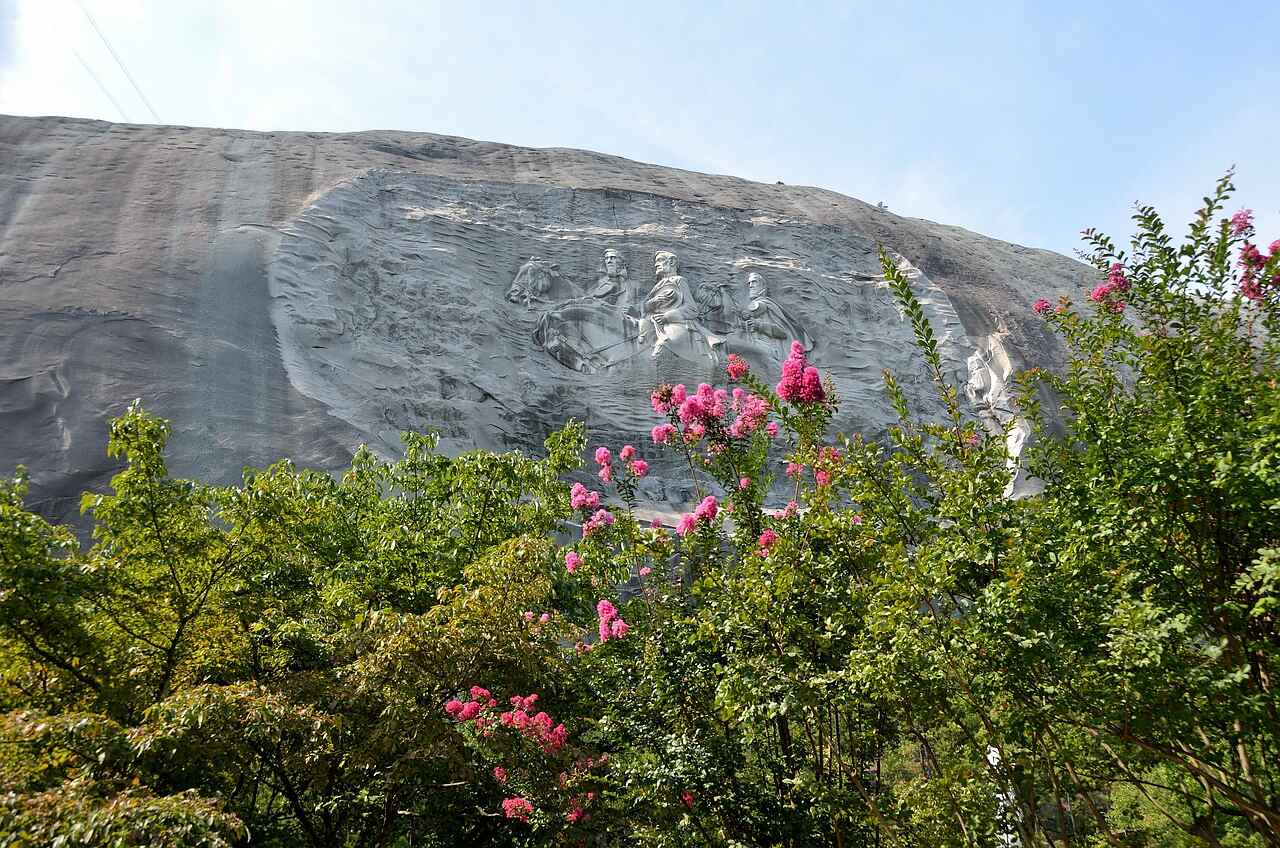
Rodent Removal in Stone Mountain, GA
The village here keeps late nineteenth century houses a short walk from streets of post-war ranches, and the granite that gives the place its name sits close to the surface across a lot of it.
- Victorian village and ranches
- Granite close to the surface
- DeKalb County, east metro
Free Inspection in Stone Mountain
The free inspection covers the roofline from a ladder, the attic, the crawl space or basement, the interior signs and the yard, with every opening photographed and listed on the quote. Stone Mountain sits in DeKalb County about sixteen miles east of downtown Atlanta along Memorial Drive or US 78, beside the park and its granite dome, and contractors cover the city and the areas around it.
The phone is answered at any hour of the day and night, and site visits are booked from seven in the morning until seven at night, seven days a week. The inspection is free and the quote is written from what it finds. Call, or book through the contact page.
The village houses
The older streets around the village center carry late nineteenth and early twentieth century houses, and that stock behaves like intown Atlanta rather than like the subdivisions beyond it. Pier or stone foundations, shallow crawl spaces, low cut-up attics, and rooflines with porch tie-ins and cross gables that add junctions.
A century and a half of alteration has added the rest: relocated kitchens and bathrooms with floor penetrations, later additions with their own foundations and eave lines, and retrofitted HVAC and electrical work that passed through the envelope more than once. Openings occur at both levels, and older sill and band joist timber is frequently soft where the grade has been built up over the years.
Exclusion work on these houses is done behind original elements where it can be: screening behind existing vent openings, metal shaped into a roof return void rather than fixed over trim, and skirt work from the inside face. Anything visible from the street is raised before it is fitted, and any local historic requirement is worth confirming with the city directly.
Granite in the ground and what it does to a foundation
Rock close to the surface changes how a house sits on its lot. Where the granite is shallow, a foundation is worked around it rather than cut through it, so a crawl space can be very low in one corner and deeper in another, and the perimeter wall can step to follow the rock.
The practical consequences for rodent work are access and irregularity. A crawl space with a rock shelf under part of it may be impossible to traverse from one side to the other, which means the perimeter has to be reached from more than one access point or partly from outside. And an irregular perimeter has more corners, more changes of material and more places where a closure has to be shaped rather than cut square.
Drainage follows the same logic. Water that cannot soak away moves along the rock toward the building, which keeps the ground damp at a particular elevation and softens the timber above it. That shows up as a band joist repair on the quote rather than as a sealing line.
The post-war ranches and later stock
Most addresses here are in mid-century and later housing: ranches and split levels on crawl spaces or partial basements, plus subdivision housing built through the 1970s and 1980s on wooded ground. It is the same profile found across the east metro.
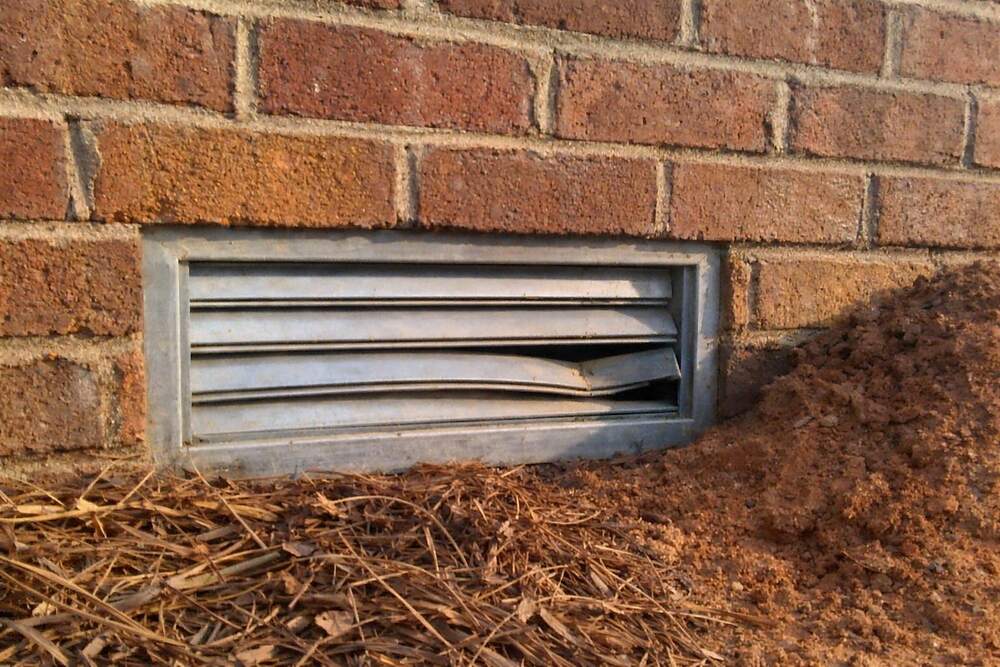
The openings are the usual ones. Foundation vents whose screening is long gone, a carport or garage wall penetration, worn door sweeps, and the eave corners along a wide low roofline. Partial basement houses carry the step-in-foundation junction where a poured wall meets a block or pier section, which is a reliable opening and an awkward one to reach.
The trees on these lots are old enough now to reach the roofs, which is what turns a settled neighborhood into one that produces attic calls. The roof rat travels branches by preference and ranges about 150 yards from its den according to UF/IFAS.
What We Handle in Stone Mountain
Both halves of the local housing get the same services, applied to the building in front of them.
- Crawl space rodent control: irregular perimeters, low clearance and band joist repairs
- Rodent exclusion: two-level closures on village houses, roofline runs on the ranches
- Roof rat removal: attic trapping under canopy that has grown over the roofs
- Rodent inspection: free, and the only way to map a foundation that follows rock
- Attic cleanup: low village attics and long ranch attics alike
- Rodent clearance letters: for closings and for older properties changing hands
A Typical Stone Mountain Job
The situation: A caller in a 1970s ranch hears movement under the floor at one end of the house and cannot get more than a few feet into the crawl space from the access door because the ground rises sharply inside.
What gets done: The inspection finds a rock shelf running under the middle of the house, which is why the crawl space cannot be crossed. The far end is reached by cutting a second access on the opposite elevation, and that section turns out to hold the activity: two vents with no screening, a gap where the perimeter wall steps to follow the rock, and a damp band joist above it. The quote covers the second access, the band joist section, three closures and trapping in the far half.
How it turns out: The new access makes the far half workable, the timber is replaced and the closures are fitted, and traps there produce for nine nights. The old access door is rehung with a latch at the same time. The floor at that end goes quiet, and the house now has a way to inspect the half nobody could previously reach.
What This Costs in Stone Mountain
Access is the local variable here more than anything else. Angi's Atlanta cost page gives $442 to $1,138 for the trapping and an average around $786, and HomeGuide's 2026 national guide puts full-home exclusion at $500 to $2,500.
| Line item | Atlanta (Angi) | National (HomeGuide 2026) | Here |
|---|---|---|---|
| Inspection | $210 to $420 standalone | $0 to $175 | Free |
| Trapping and removal | $442 to $1,138, average about $786 | $250 to $1,200 | Quoted from the inspection |
| Exclusion sealing | No Atlanta figure published | $500 to $2,500 | Quoted from the inspection |
| Full-scope restoration where it goes that far | No Atlanta figure published | $3,000 to $10,000 and up | Quoted from the inspection |
Every figure above is a typical-job band from a published source, confirmed at the free inspection. What pushes a house here up the sealing band is a crawl space that cannot be crossed, an irregular perimeter following rock, or timber that needs replacing where drainage keeps the ground damp. A village house with openings at two levels sits at the top of it. A simple ranch on a level lot with a readable crawl space sits at the bottom.
The order an attic job runs in
Five stages, from inspection through to cleanup.
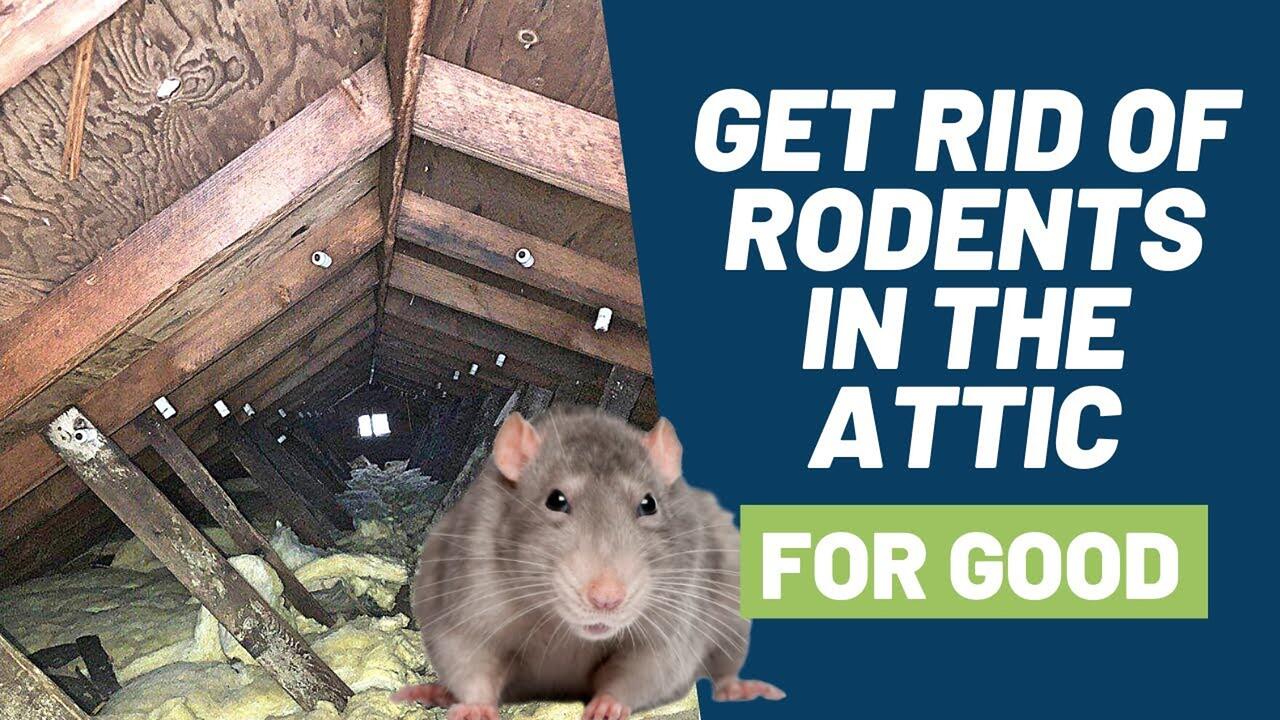
Video: 5 Step Solution to Get Rid of Rodents in Your Attic, from Atticare Construction.
Common Questions in Stone Mountain
What callers from Stone Mountain ask before they book.
Call (404) 924-6653Nobody can get across my crawl space. What happens?
A second access gets cut so the far half can be reached, which is normal where rock or a rise in the ground divides the space. The alternative, working only from one door, means half the perimeter is never inspected and half the openings never get closed. A new access is a small job and it makes every future inspection possible, so it usually pays for itself the first time somebody needs to go back under.
Why does the quote include timber work?
Because galvanized mesh fastened to soft wood is not a closure. Where drainage moves water along shallow rock toward a building, the ground at that elevation stays damp and the sill or band joist above it softens over the years. That timber is both an opening and something nothing can be fixed to, so the rotted section is cut out and replaced before any sealing, and it appears as its own line rather than hidden in a sealing figure.
Will exclusion change how an older house looks?
It should not, and that is the default approach on the village stock. Screening goes behind existing vent openings rather than across them, roof return metal is shaped into the void rather than fixed over the trim, and skirt work is done from the inside face. Anything that would be visible from the street is raised before it is fitted. Confirm any local historic district requirement with the city directly rather than relying on a contractor's reading of it.
Who is licensed to do this work here?
A Georgia Department of Agriculture structural pest control license in Category 29, Household Pest Control, held by the company with a designated certified operator, is the requirement, working under the written contract the state requires for rodent services. Gray and southern flying squirrels are protected and need a Department of Natural Resources nuisance wildlife control permit as well, while rats and mice are exempt. Ask for the license number and confirm it on the state lookup before work starts.
Nearby Areas We Serve
The same contractors cover the towns around Stone Mountain, and the service area runs across DeKalb County and the rest of metro Atlanta.