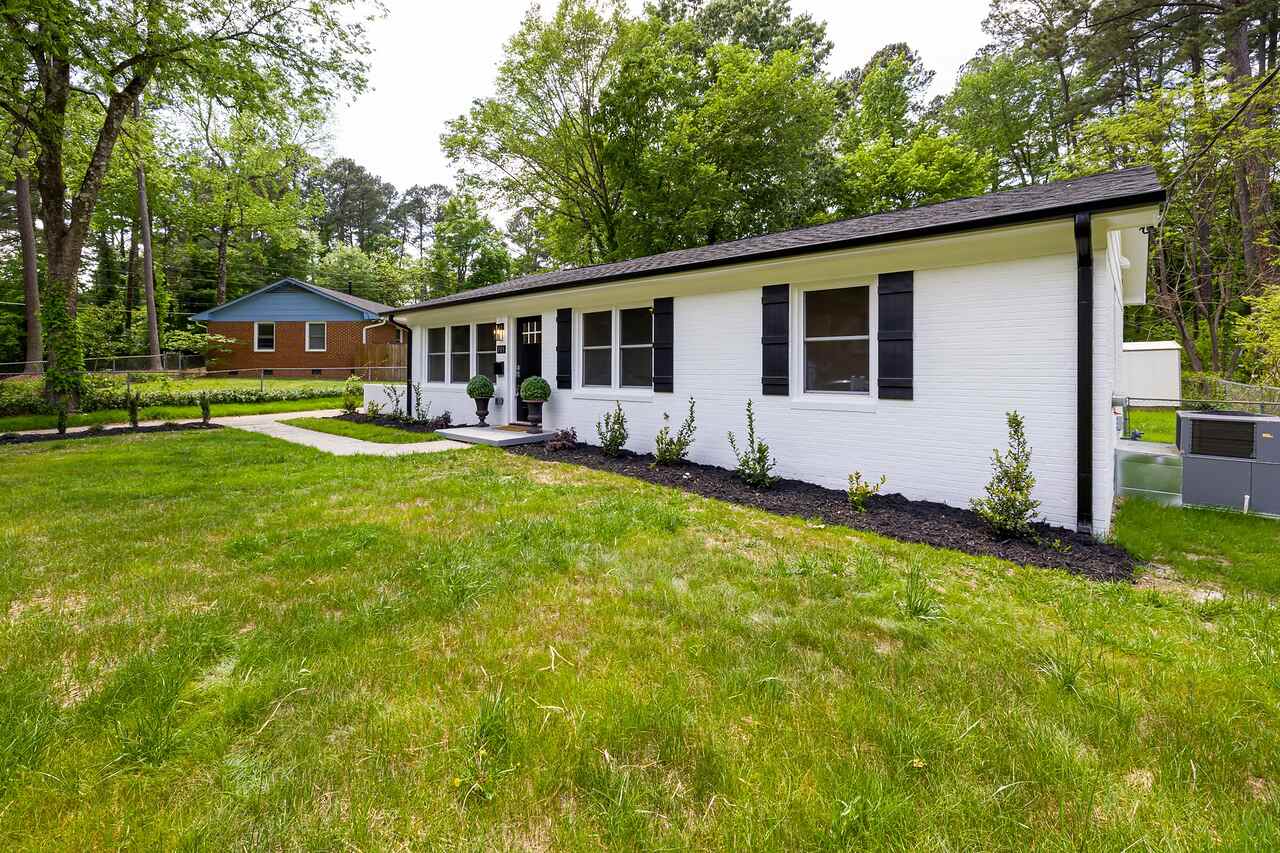
Rodent Removal in Decatur, GA
Decatur mixes 1920s bungalows with post-war ranches and new infill, most of it on a crawl space or a partial basement under an old canopy. The inspection covers both the roofline and whatever is under the floor.
- Bungalows and post-war ranches
- Crawl spaces and part basements
- DeKalb County, six miles east
Free Inspection in Decatur
The free inspection on a Decatur house covers the roofline from a ladder, the attic, the crawl space or basement, the interior signs and the yard, with every opening photographed and listed. Decatur sits about six miles east of downtown Atlanta in DeKalb County, reached along DeKalb Avenue or the MARTA blue line, and contractors cover the city and the unincorporated areas around it.
The phone is answered at any hour of the day or night, and site visits are booked between seven in the morning and seven in the evening, seven days a week. The inspection costs nothing and produces a written quote with trapping, sealing and any cleanup priced separately. To get one booked, call or use the form on the contact page.
The three housing eras in Decatur
Decatur carries three distinct building periods and each fails differently. The 1910s to 1930s bungalows around the older neighborhoods sit on brick pier crawl spaces with perished vent screening and low, unfloored attics. The post-war ranches that fill the streets south and east of the square sit on crawl spaces or partial basements, with longer, lower rooflines and more eave corners than their size suggests. The recent infill houses are tighter but carry the same roof return detail at every corner and usually a worn garage door sweep within a few years.
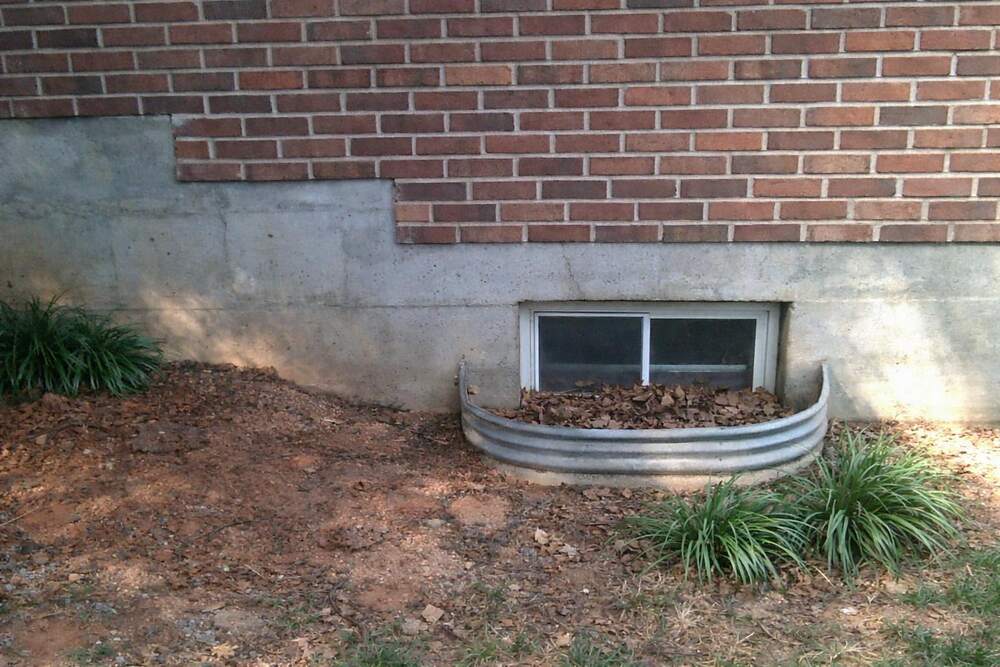
The partial basement is the Decatur detail worth calling out. A house that is half basement and half crawl space has a step in the foundation, and the junction where the two levels meet is a reliable opening: the framing changes, the wall changes material, and the grade outside is different on each side. It is also the point a quick inspection walks past, because reaching it means going into both spaces rather than one.
Old trees on small lots
Decatur's tree cover is the reason roof rats reach the rooflines here. The lots are modest and the hardwoods on them are older than most of the houses, so limbs sit over roofs across whole streets, and the roof rat is an animal that travels branches, wires and trunks by preference rather than crossing open ground.
What follows is practical. Cutting limbs back from the roof is the most valuable free thing a Decatur homeowner can do, and on a small lot the tree is often close enough to the house that the work is straightforward. Where the tree is on a verge or belongs to a neighbor, the sealing has to be complete rather than partial, and the quote says so instead of assuming tree work that will not be scheduled.
A city being rebuilt one lot at a time
Decatur has had sustained renovation and infill construction for years, and that movement is the most common reason a settled house gets a first rodent call. A demolition or a heavy renovation disperses whatever was living in that structure into the houses around it, and the call usually comes from two doors down rather than from the site.
The City of Atlanta requires a rodent clearance letter for a demolition permit, dated no more than 30 days before permit issuance, which exists precisely because of that dispersal. Decatur is its own city with its own permitting, so requirements there should be confirmed with the city rather than assumed. Either way, a permit sign on your block is a good reason to have your own foundation vents screened and your crawl space door latched before the work starts.
What We Handle in Decatur
Every service arranged in Atlanta is arranged in Decatur, and these are the ones this housing stock calls for most.
- Roof rat removal: attic work on bungalows and ranches under the older canopy
- Crawl space rodent control: pier foundations, vent screening and the step where a partial basement meets a crawl space
- Rodent exclusion: roof returns, gable vents and the full foundation perimeter closed in galvanized steel
- Mouse removal: garage door sweeps and kitchen floor penetrations on post-war stock
- Attic cleanup: low unfloored bungalow attics where an occupancy has run a while
- Rodent clearance letters: for closings in a market with a lot of transactions
- Dead rodent removal: usually after a bait program somewhere else in the house
A Typical Decatur Job
The situation: A caller in a 1952 ranch near the eastern edge of the city hears scratching in a wall beside the fireplace and finds droppings in the basement half of the house. The property is half partial basement and half crawl space.
What gets done: The inspection finds the step between the two foundation levels open where the framing changes, with a clear run along it, plus two crawl space vents with no screening. Above, the roofline is sound apart from one return at the carport corner. The quote separates closing the foundation step, screening the vents, the single roof closure and a trapping program at floor level.
How it turns out: The vents and the roof return are closed first, traps go along the foundation step and produce for eight nights, then the step itself is closed. The wall beside the fireplace goes quiet and the basement stops collecting droppings behind the water heater.
What This Costs in Decatur
A Decatur job is priced from the openings the inspection finds rather than from the address. Angi's Atlanta cost page puts rat removal at $442 to $1,138 with an average around $786, which covers the trapping, and HomeGuide's 2026 national guide puts full-home exclusion sealing at $500 to $2,500.
| Line item | Atlanta (Angi) | National (HomeGuide 2026) | Here |
|---|---|---|---|
| Inspection | $210 to $420 standalone | $0 to $175 | Free |
| Trapping and removal | $442 to $1,138, average about $786 | $250 to $1,200 | Quoted from the inspection |
| Exclusion sealing | No Atlanta figure published | $500 to $2,500 | Quoted from the inspection |
| Attic cleanup | No Atlanta figure published | $600 to $2,500, to $4,000 severe | Quoted from the inspection |
Every figure above is a typical-job band from a published source, confirmed at the free inspection. What pushes a Decatur house toward the top of the sealing band is a partial basement meeting a crawl space, a bungalow perimeter with every vent gone, or a low unfloored attic that slows the trapping. What keeps it low is a sound foundation and a simple roof plan with four eave corners.
Rat holes around a building
What a burrow looks like, and where it leads.
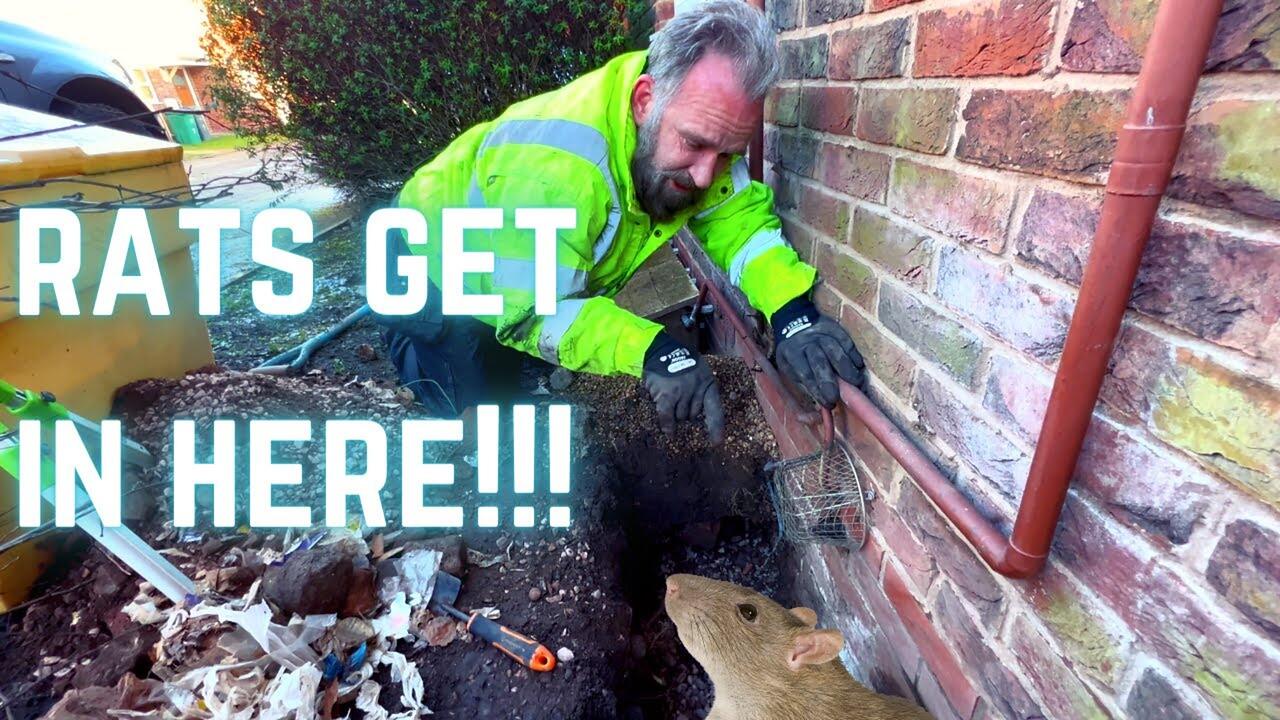
Video: RAT holes around your house? How to stop rats burrowing, from Pest Interceptors.
Why does the inspection go into both the basement and the crawl space?
Because a partial basement house has two foundation systems and a junction between them. The step where the poured wall meets the pier or block section changes framing and material, sits at a different grade outside, and is one of the more reliable openings on this stock. Reaching it means entering both spaces rather than looking into one, which takes longer and is the reason it gets missed on a quick survey.
Is there anything I can do before the visit?
Three things with real value and no cost. Cut limbs back from the roof, since the roof rat travels branches by preference and Decatur canopy is old enough to reach most roofs. Clear planting and stored items away from the foundation line so the perimeter can be walked. And leave any droppings where they are rather than cleaning up, because they map the runs and decide where the traps go.
How long does a Decatur job usually run?
HomeGuide gives two to three days where only a few animals are involved and up to a couple of months for a heavy infestation, which matches what Decatur houses produce. Roof rats are wary of new objects, so traps stay in place at least a week before anything is moved, which sets a floor on the timeline. The sealing is what gives the job an end date, since a house that stays open keeps resupplying.
Who is licensed to do rodent work in DeKalb County?
It takes a Georgia Department of Agriculture structural pest control company license in Category 29, Household Pest Control, and a designated certified operator for that category, and the service has to be carried out under a written contract. That applies across the state rather than county by county. Where the animal turns out to be a gray or southern flying squirrel, a Georgia Department of Natural Resources nuisance wildlife control permit is needed too, since squirrels are protected and rats and mice are not.
Nearby Areas We Serve
The same contractors cover the towns around Decatur, and the service area runs across DeKalb County and the rest of metro Atlanta.