Rodent Removal in College Park, GA
College Park keeps one of the larger collections of turn-of-the-century houses in the state, on crawl spaces under old canopy, with an airport and a convention district on its doorstep.
- Large historic residential district
- Crawl spaces and old canopy
- Hotels and commercial nearby
Free Inspection in College Park
The free inspection covers the roofline from a ladder, the attic, the crawl space, the interior signs and the yard, and on this housing stock both levels take real time. Every opening is photographed and listed individually. College Park sits in south Fulton County about ten miles from downtown Atlanta, beside the airport and on the MARTA red and gold lines, and contractors cover the city and the surrounding area.
The phone is answered at any hour of the day and night, and site visits are booked from seven in the morning until seven at night, seven days a week. The visit is free and produces an itemized written quote. Call, or send the details through the contact page.
The historic residential district
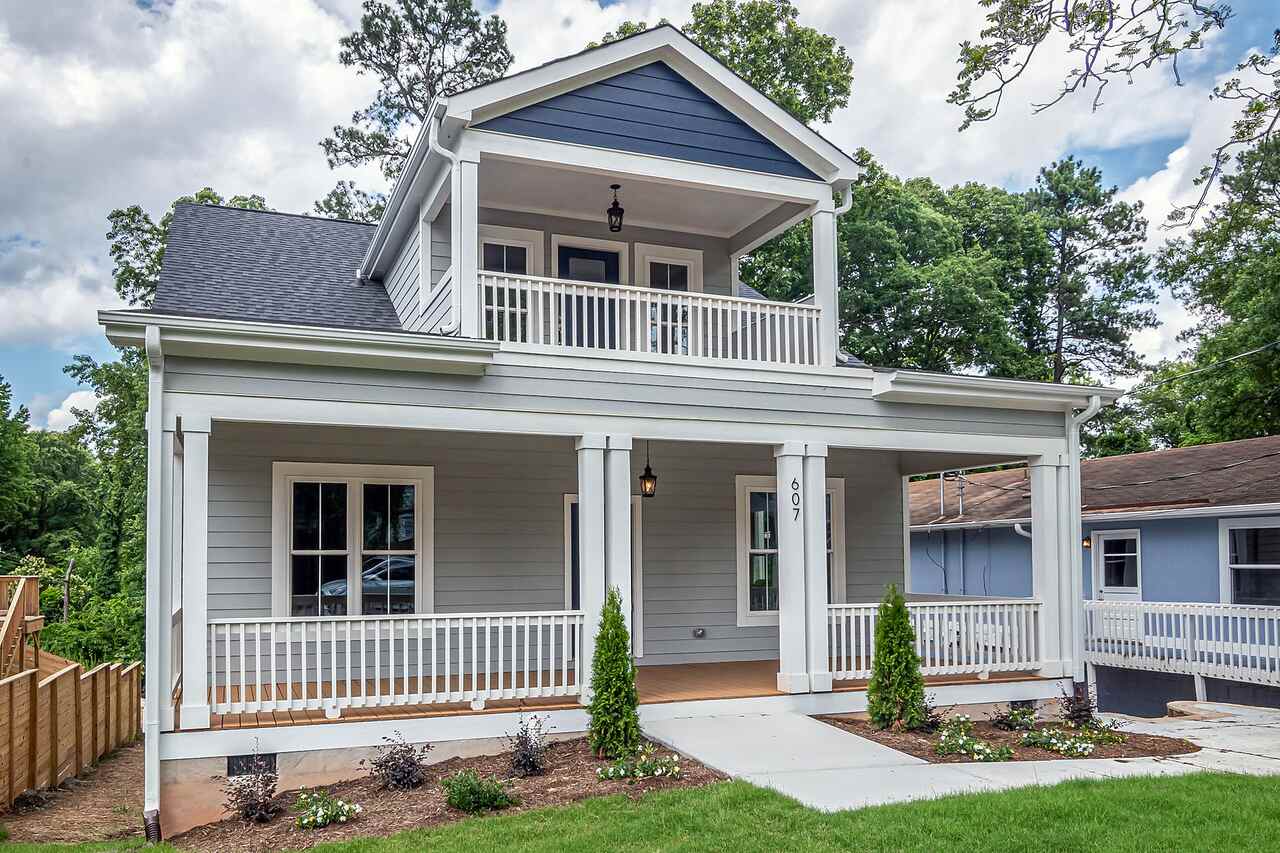
College Park has one of the larger historic residential districts in Georgia, with Victorian, Queen Anne and Craftsman houses from around the turn of the twentieth century standing on generous lots under old trees. That stock behaves like intown Atlanta: pier and brick foundations, shallow vented crawl spaces over red clay, low cut-up attics, and rooflines with porch tie-ins, cross gables and dormers.
The complications are the same ones every old house has. A century of alterations has moved kitchens and bathrooms, added rear extensions with their own foundations and eave lines, retrofitted HVAC more than once, and left penetrations at every stage. The sill and band joist timber closest to damp clay is frequently soft, which means carpentry before sealing on the affected runs.
Exclusion is done behind original elements wherever it can be: screening fitted behind existing vent openings, metal shaped into a roof return void rather than fastened over trim, and porch skirt work from the inside face. Anything visible from the street is raised first, and local historic district requirements are worth confirming with the city directly.
Deep porches and what sits under them
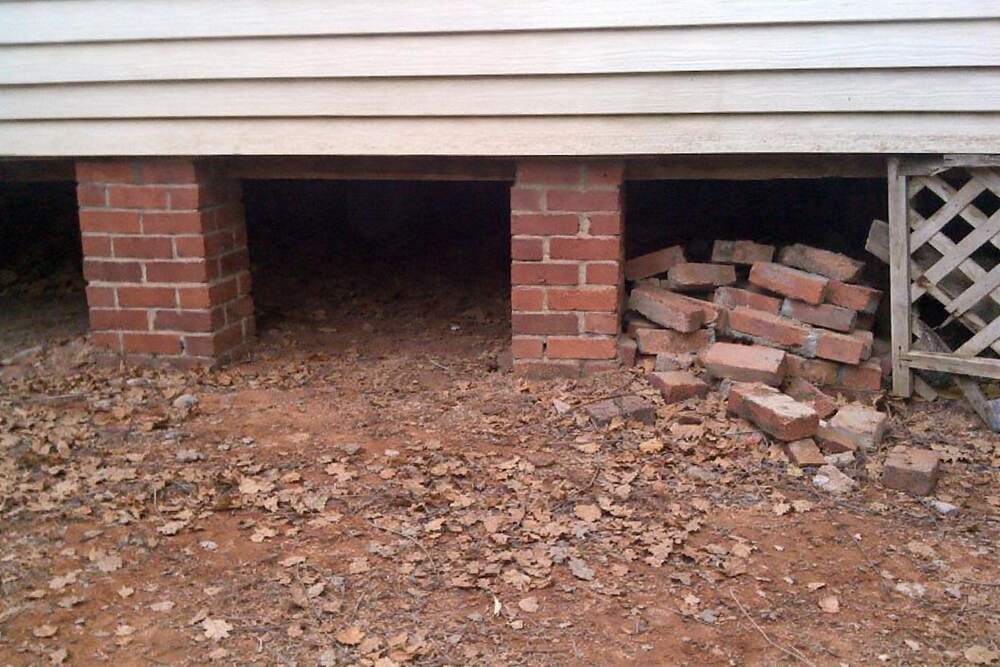
The wide wrapping porches that define these houses sit on their own piers, with a skirt or lattice panel closing the space beneath. That space is one of the most reliable openings on the whole property and almost nobody looks at it.
It is usually open behind an intact-looking panel, it connects to the main crawl space where the porch structure meets the house, and it collects planting, leaf litter and stored items that hide both conditions. An animal using it has a protected route along the entire front of the house at ground level.
The closure is made from behind the lattice so the porch reads unchanged: mesh fastened to the framing, carried down and turned into the soil so nothing digs beneath it, and the junction between the porch space and the main crawl space closed as its own opening. Clearing planting and stored items back from the skirt is part of the same visit, because harborage against a closure is what produces the next one.
Hotels, offices and the commercial edge
The airport and convention district put a concentration of hotels, restaurants, offices and parking structures at one edge of the city, and those are commercial jobs rather than residential ones.
A hotel or a conference property is treated as a site: the waste and service areas first, then the loading and delivery points, then the back-of-house kitchens, service corridors and the vertical chases that run between floors. The pressure is at ground level in the service yard, and a program that works inside while a shared waste area sustains a population is maintenance rather than a solution.
Documentation is the deliverable on these properties. Georgia requires rodent control services be performed under a written contract, and a health inspector, a brand standard auditor or an insurer reads the file: the service agreement with the license details, a current site map, a record per visit, and a corrective action log showing structural items being closed. That is covered on commercial rodent control.
What We Handle in College Park
Residential and commercial work are both arranged here, and these are the services these properties need most.
- Crawl space rodent control: pier foundations, porch spaces and band joist repairs
- Rodent exclusion: two-level closures made behind original elements on historic houses
- Roof rat removal: attic trapping under canopy older than the houses
- Rodent clearance letters: for closings on historic properties changing hands
- Commercial rodent control: hotels, kitchens and service areas near the airport
- Attic cleanup: low cut-up attics where an occupancy has run a long time
A Typical College Park Job
The situation: A caller who has just bought a 1908 house in the historic district gets a repair request from her own home inspection report, which noted rodent evidence in the crawl space. She needs the work done and a letter for her lender, and the closing is five weeks away.
What gets done: The inspection is booked the next day and finds an active crawl space occupancy, a porch space open behind the lattice and connected to the main crawl, three unscreened vents and a soft band joist run along the rear where the grade is high. The attic shows old evidence and nothing current. The realistic timeline is given on the visit rather than in week four: carpentry, then closures, then about two weeks of trapping, then the letter.
How it turns out: The timber is replaced, the porch and the vents are closed, and traps along the crawl space wall line stop producing after twelve days. The last opening is sealed, and the letter is issued in week four naming the areas inspected, the findings, the entry points closed and the license, with photographs attached. The closing holds its original date.
What This Costs in College Park
A historic house here carries work at two levels and usually carpentry as well. Angi's Atlanta page gives $442 to $1,138 for the trapping, averaging roughly $786, and HomeGuide's 2026 national guide puts full-home exclusion at $500 to $2,500.
| Line item | Atlanta (Angi) | National (HomeGuide 2026) | Here |
|---|---|---|---|
| Inspection | $210 to $420 standalone | $0 to $175 | Free |
| Trapping and removal | $442 to $1,138, average about $786 | $250 to $1,200 | Quoted from the inspection |
| Exclusion sealing | No Atlanta figure published | $500 to $2,500 | Quoted from the inspection |
| Full-scope restoration where it goes that far | No Atlanta figure published | $3,000 to $10,000 and up | Quoted from the inspection |
Each is a typical-job band from a published source, confirmed at the free inspection. A large historic house with a wrapping porch, a full pier perimeter and soft timber sits at the top of the sealing band with carpentry priced on top. A smaller cottage or a later house sits well below it. Commercial properties near the airport are priced from a site survey rather than from any of these figures.
The order an attic job runs in
Five stages, from inspection through to cleanup.
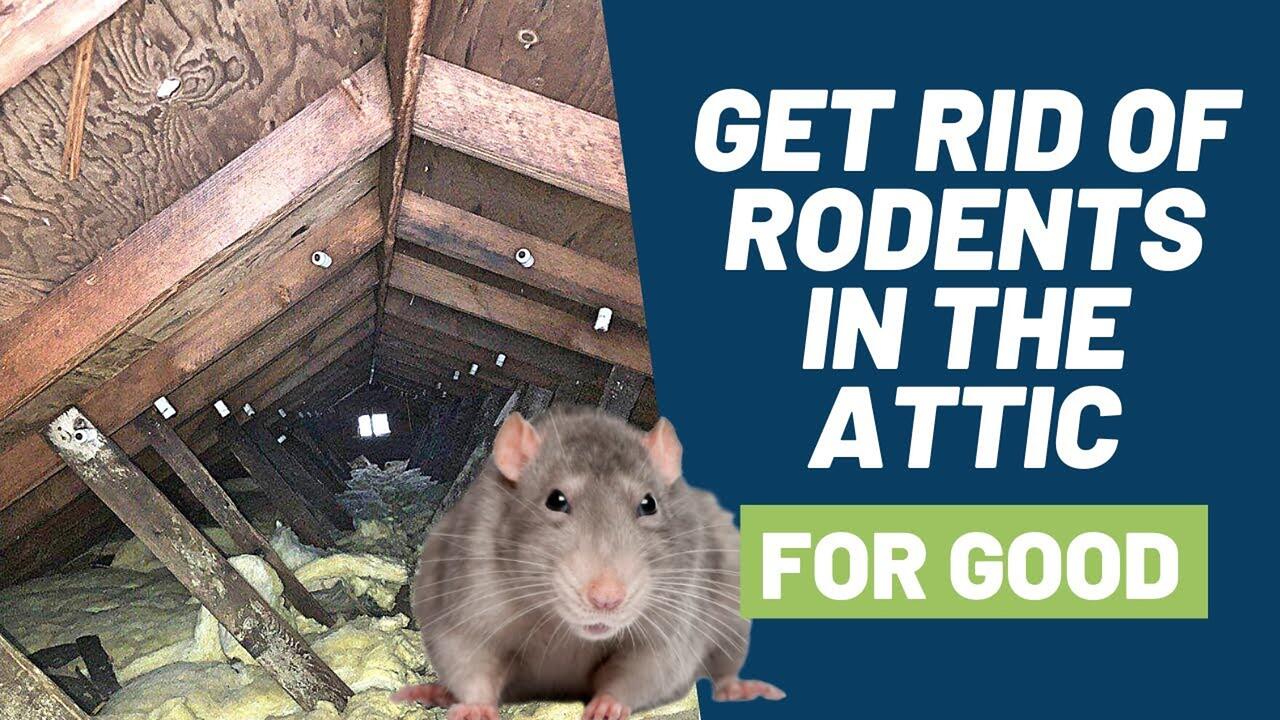
Video: 5 Step Solution to Get Rid of Rodents in Your Attic, from Atticare Construction.
Common Questions in College Park
What callers from College Park ask before they book.
Call (404) 924-6653Will the work damage or change my historic house?
It is done behind original elements wherever the structure allows: screening fitted behind existing vent openings rather than over them, roof return metal shaped into the void rather than fastened across trim, and porch work from the inside face of the lattice. Anything that would be visible from the street is raised before it is fitted rather than after. Any local historic district requirement is worth confirming with the city directly rather than relying on a contractor's understanding.
Is the porch really a problem?
On these houses it is one of the most productive places to look. A wrapping porch on its own piers, closed with a skirt or lattice, is usually open behind the panel, connects to the main crawl space where it meets the house, and hides that behind planting and stored items. An animal using it travels the entire front of the house protected. Closing it from behind the lattice leaves the porch looking exactly as it did.
My lender wants a letter. Is that the termite letter?
They are two different documents. The Official Georgia Wood Infestation Inspection Report, the termite letter, covers termites, wood-boring beetles and wood-decay fungi and says nothing about rodents. A rodent clearance letter is a separate, non-standardized letter from a licensed pest or wildlife company stating that no active infestation was observed and that entry points have been sealed. Ask whoever requested it which one they mean, since ordering the wrong one costs a week.
Who is licensed to do rodent work here?
The work requires a Georgia Department of Agriculture structural pest control license in Category 29, Household Pest Control, held by the company, with a designated certified operator behind it, working under the written contract the state requires. Licenses are searchable on the Department of Agriculture lookup, which matters when a lender or a buyer is going to read the letter. Gray and southern flying squirrels also need a Department of Natural Resources nuisance wildlife control permit; rats and mice are exempt.
Nearby Areas We Serve
The same contractors cover the towns around College Park, and the service area runs across Fulton County and the rest of metro Atlanta.