Rodent Removal in Dunwoody, GA
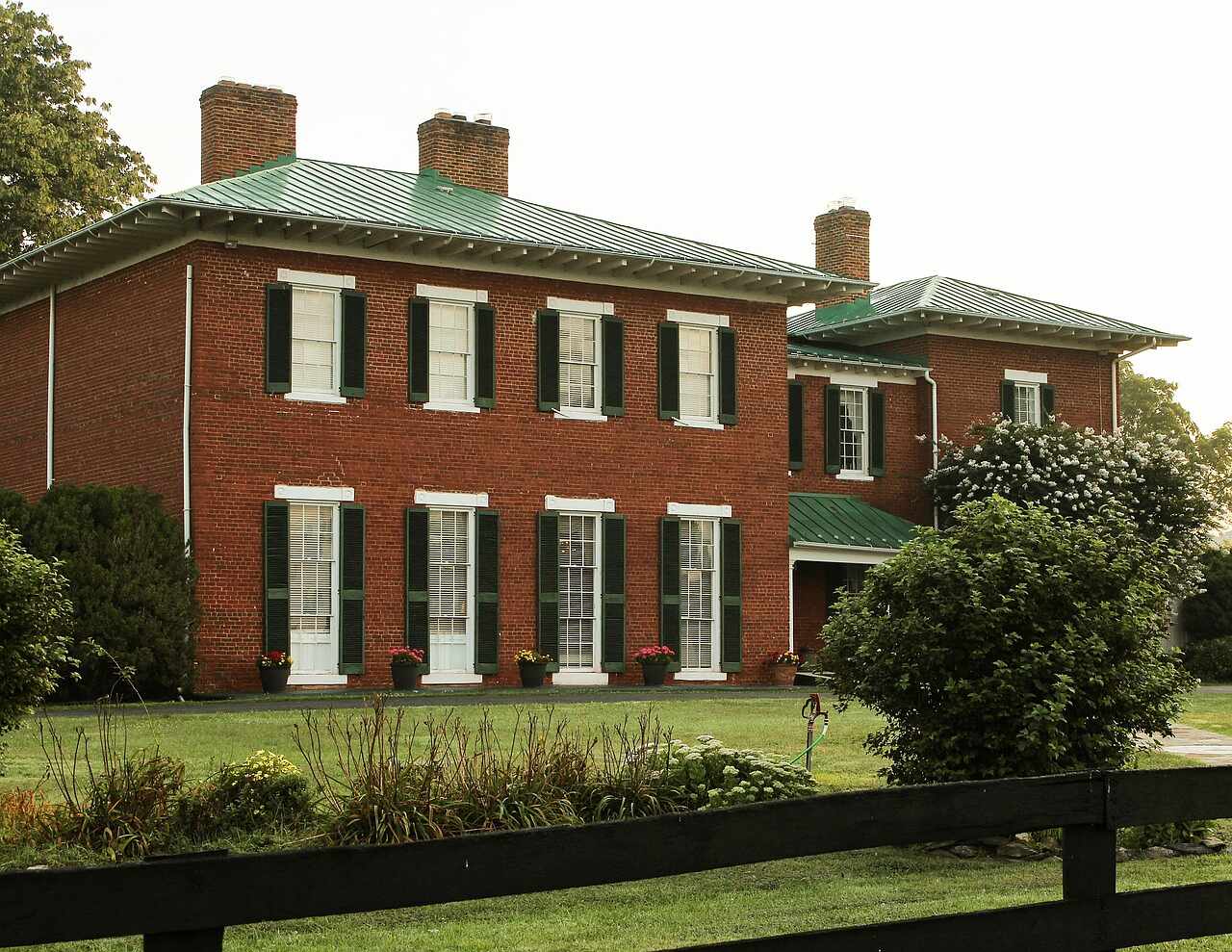
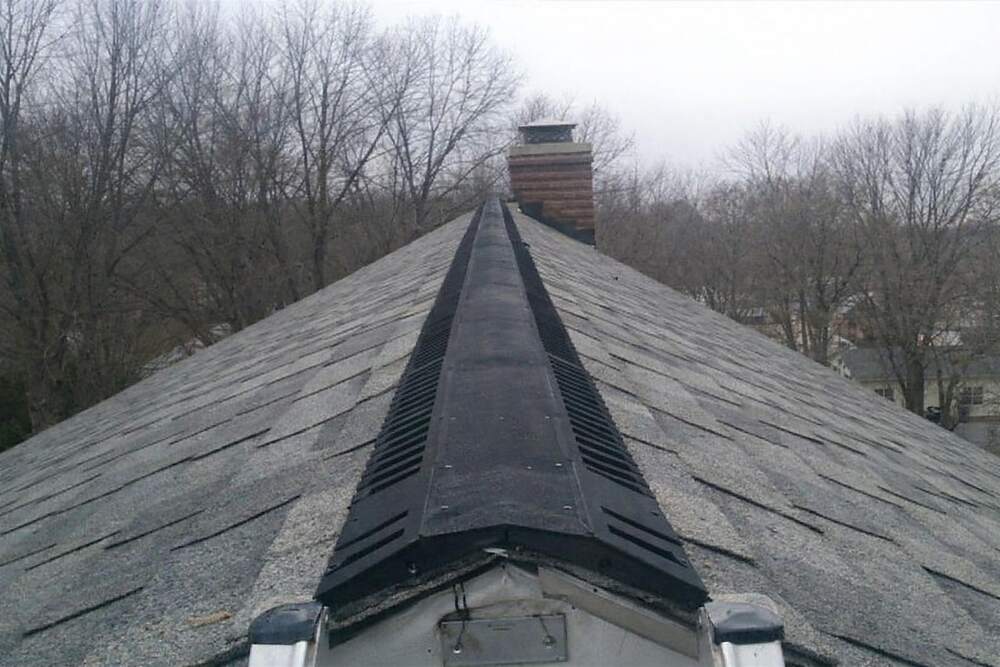
Dunwoody subdivisions from the 1960s onward brought full basements and two-story attics with ridge and gable venting, on wooded lots where the trees were left standing. The way in is almost always at roof level.
- Two-story attics, ridge venting
- Full basements, few crawl spaces
- DeKalb County at the perimeter
Free Inspection in Dunwoody
The free inspection on a Dunwoody house concentrates on the roofline, because that is where this housing stock opens. A ladder goes to the eave first, then the attic, then the basement band joist and utility penetrations, then the exterior and the trees, with every opening photographed and listed. Dunwoody sits in DeKalb County at the top of the perimeter, about fifteen miles north of downtown Atlanta along Ashford Dunwoody Road or the MARTA red line.
The phone is answered at any hour of the day and night, and site visits are booked between seven in the morning and seven in the evening, seven days a week. The visit costs nothing and produces an itemized written quote. Call, or use the form on the contact page.
What 1960s to 1980s subdivision houses give up
Height and roof complexity, rather than foundation openings. The two-story colonials and split levels that fill Dunwoody's subdivisions sit on full basements, which removes most of the ground-level entries an older intown house has. What they add instead is a taller, larger attic with ridge and gable venting and a great many eave corners.
A two-story house with a garage wing, a bay window roof and a front porch roof can carry ten or more roof returns, each one a junction where a soffit runs into the roof deck. At two stories those junctions are further from the ground and less likely to have been looked at, and the attic they open into is tall enough that an occupancy can run for months without anyone noticing.
Split levels add their own detail. The step between levels creates a short roof section and a wall junction at mid-height, and the framing change at that point is a reliable opening. It is also awkward to reach with a ladder, which is why it gets skipped.
What a full basement changes
It removes the crawl space part of the job and replaces it with a shorter list. Instead of vents, pier infill and a band joist over damp clay, a basement house has a band joist at the top of the foundation wall, utility penetrations through that wall, window wells, and any walkout door.
Those are quick to check and quick to close, which is why a Dunwoody quote is usually weighted toward the roofline rather than split evenly. The exception is a house where the basement is partly finished and partly not, in which case the unfinished section hides penetrations behind stored belongings.
The basement list
Five things get checked at the top of a basement wall, and all of them are quick.
- The band joist around the top of the foundation wall, particularly at the rear where the grade is highest
- Water, gas, electrical and HVAC penetrations through the wall
- Window wells, which collect leaves and hide the frame
- A walkout or garage-level door and its threshold
- The garage door sweep, on a basement-level garage
Lots where the trees were kept
Dunwoody's subdivisions were built through existing woodland rather than on cleared ground, and mature hardwoods were left standing on most lots. Decades later those trees are over the rooflines.
That matters because the roof rat travels branches, wires and trunks by preference and ranges about 150 yards from its den, according to UF/IFAS. A two-story roof is no obstacle when a limb reaches it, and a two-story roof is exactly the one whose eave corners nobody has inspected.
Cutting limbs back from the roof is the highest-value free action on a lot like this, though on a mature hardwood over a two-story house it is genuine tree work rather than a weekend job. Where a limb cannot be removed, the sealing has to be complete rather than partial, and the quote should say so.
What We Handle in Dunwoody
These are the services Dunwoody houses need most, and each is priced on its own line.
- Roof rat removal: attic trapping in the tall two-story attics this stock has
- Rodent exclusion: the run of eave corners, ridge and gable vents at two-story height
- Rodent inspection: free, and the only way to count openings on a roof this size
- Attic cleanup: large attic areas where an occupancy has gone unnoticed
- Attic insulation replacement: blown fill flattened along runs, priced by measured area
- Mouse removal: basement penetrations, garage sweeps and kitchen voids
- Dead rodent removal: two-story wall cavities where a bait program has gone wrong
A Typical Dunwoody Job
The situation: A caller in a 1978 two-story on a wooded lot hears running above the upstairs hallway ceiling and has been told by a general pest company that bait in the attic will handle it. Six weeks later there is a smell in a wall downstairs instead.
What gets done: The inspection maps the odor and recovers a carcass from a stud bay beside a plumbing chase, then counts the roofline: eleven eave corners, of which two roof returns are open, plus a gable vent with damaged screening at the garage end. The attic shows a run across the upstairs ceiling joists and flattened blown fill along it. The quote covers the carcass removal and patch, the three roof closures, a trapping program to replace the bait, and insulation replacement across the measured run.
How it turns out: The carcass comes out through a small access cut that is patched and primed, the bait is withdrawn, and snap traps go into the attic run. The gable vent and one return are closed straight away, the last two after nine quiet nights. The flattened fill along the run is replaced to a stated depth once the attic is confirmed clear.
What This Costs in Dunwoody
On this stock the sealing line is the one that moves, because the roofline is large and high. Angi's Atlanta cost page puts rat removal at $442 to $1,138 with an average around $786 for the trapping, and HomeGuide's 2026 national guide puts full-home exclusion at $500 to $2,500.
| Line item | Atlanta (Angi) | National (HomeGuide 2026) | Here |
|---|---|---|---|
| Inspection | $210 to $420 standalone | $0 to $175 | Free |
| Trapping and removal | $442 to $1,138, average about $786 | $250 to $1,200 | Quoted from the inspection |
| Exclusion sealing | No Atlanta figure published | $500 to $2,500 | Quoted from the inspection |
| Insulation removal and replacement | No Atlanta figure published | $2.50 to $5.50 per square foot | Quoted from the inspection |
Each figure is a typical-job band from a published source, confirmed at the free inspection. A two-story with a garage wing and ten or more eave corners sits in the upper half of the sealing band because of the count and the working height, while the full basement keeps the ground-level portion small. A split level with an awkward mid-height junction usually adds a little for access rather than for materials.
Rodents in the attic
What is happening above the ceiling, explained.
Video: Rodents in your ATTIC!? Here's what you do, from Twin Home Experts.
Why is the sealing quote higher than my neighbor's?
Count and height, almost always. A two-story with a garage wing, a bay roof and a porch roof can carry ten or more eave corners where a ranch carries four, and each one is a separate closure worked from a ladder at height. Ask for the quote to list the junctions individually rather than as one sealing line, which makes the difference legible and lets you compare two bids properly.
There is a gap where the split level steps. Is that it?
It often is. The step between levels creates a short roof section and a wall-to-roof junction at mid-height, the framing changes at that point, and the position is awkward for a ladder, so it gets skipped on quick surveys. On a split level it is worth asking specifically whether that junction was inspected and photographed, because it is the opening most likely to have been left open by a previous contractor.
Someone put bait in my attic. Should I be worried?
Worried enough to change approach. The EPA notes common anticoagulants kill four days to two weeks after feeding begins, so the animal dies wherever it is living, and in a two-story house that is regularly a wall cavity above a room you use. UF/IFAS states that trapping greatly reduces the risk of a poisoned rat dying inside a building, which is why trapping is the default on an occupied house. Bait also does nothing about the opening that let the animal in.
Who is licensed to do rodent work here?
The contractor has to hold a Georgia Department of Agriculture structural pest control license covering Category 29, Household Pest Control, with a designated certified operator attached to it, working under a written contract as the state rules require. Squirrels are a separate matter: gray and southern flying squirrels are protected and need a Department of Natural Resources nuisance wildlife control permit, while rats and mice are exempt. Ask for the license number and confirm it on the state lookup.
Nearby Areas We Serve
The same contractors cover the towns around Dunwoody, and the service area runs across DeKalb County and the rest of metro Atlanta.