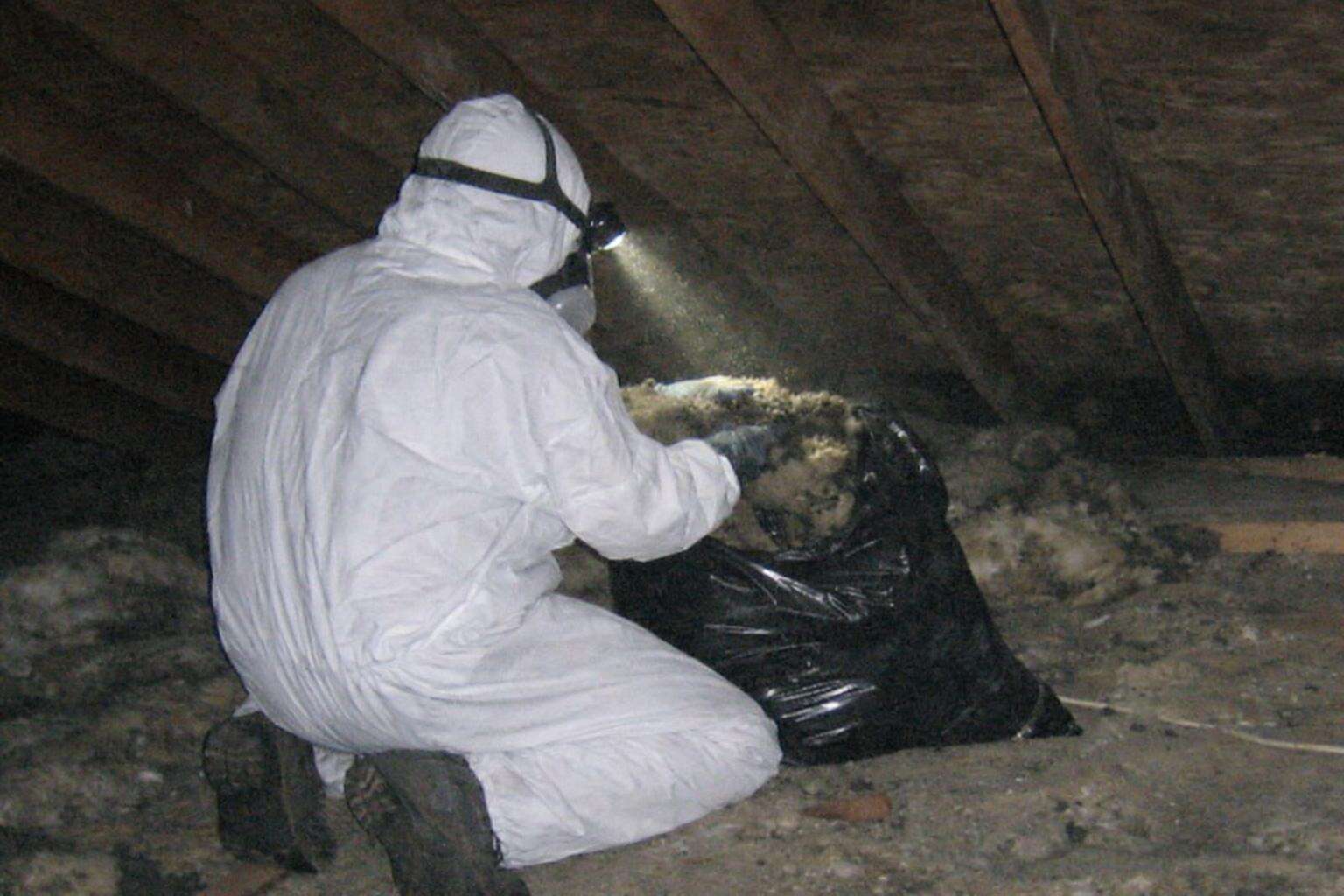
Attic Cleanup in Atlanta, GA
Once the trapping is finished there is still whatever they left behind. Clearing droppings, nesting and soiled insulation is its own job, quoted on its own line, and it does not happen while animals are still up there.
- After the trapping has finished
- Respiratory protection throughout
- Priced separately from the sealing
Attic cleanup follows the same norms across the Southeast
The decontamination protocol is not an Atlanta invention and there is no point dressing it up as one. Removing droppings and nesting, wetting material before disturbing it, using respiratory protection, and not sweeping or vacuuming dry droppings are the CDC-referenced norms, and they apply here exactly as they do anywhere else in the region.
Two things do change here. The first is humidity: a humid subtropical climate means soiled insulation stays damp and molds faster than it would in a dry one, so an attic left uncleaned after a heavy occupancy deteriorates on a shorter clock. The second is the building stock. Pre-1940 intown bungalows have low, cut-up attics, often unfloored, which makes every part of this work slower and more expensive per square foot than the same job in a 1990s house with a tall attic and a floored center run.
The third local detail is what fouled the attic. Southern flying squirrels are colonial and establish latrine areas, so a flying squirrel attic tends to be concentrated contamination in a small number of places rather than spread runs. That changes the scope and it is worth knowing which animal produced the mess before the quote is written.
What attic cleanup covers
Removal, cleaning and treatment, in that order, once the attic is confirmed clear of animals. What is not included is insulation replacement, which is a separate service on its own line.
Removal
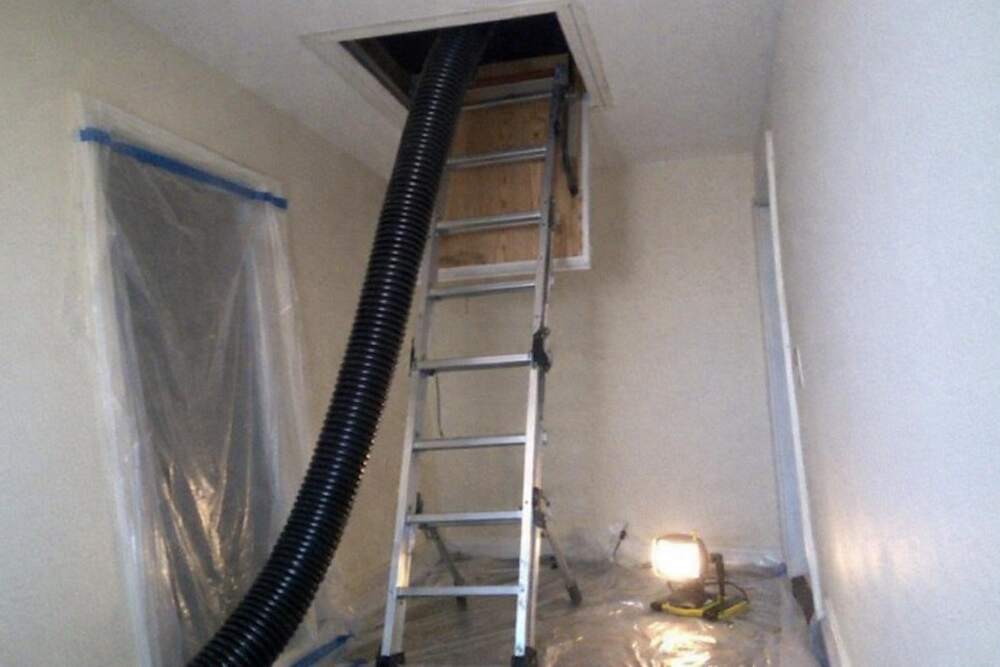
Droppings, urine-soaked insulation, nesting material, food caches and any carcass are bagged and taken out. Material is wetted before it is disturbed, because the CDC recommendation is to avoid raising dust from dry droppings rather than to work through it. Loose fill that has been contaminated comes out with a vacuum system rather than by hand where the volume justifies it.
Cleaning
The deck, the joists and any ductwork surfaces are cleaned down. Rub marks along framing are worth removing rather than leaving, since they are the scent trail a later animal follows.
Treatment
An antimicrobial treatment is applied to the cleaned surfaces. This is a sanitizing step rather than a guarantee of anything, and nobody should be selling it as a health promise.
What sits outside the scope
- Insulation replacement, quoted separately and covered on attic insulation replacement
- Repair of chewed wiring, which is an electrician's work
- Repair of chewed ductwork, which is an HVAC trade
- Drywall repair where a ceiling has been stained through
- Any sealing work, which belongs to rodent exclusion
Why respiratory protection is used and what that does not mean
Respiratory protection during droppings cleanup is recommended on general contamination grounds, and that is the whole of the claim. The CDC states that rodents are known to carry many diseases, spread directly through contact with urine, droppings, saliva or a bite, and indirectly through fleas, ticks and mites that fed on an infected rodent, and it recommends wetting droppings down before cleanup rather than sweeping or vacuuming them dry.
No number belongs on it. A widely repeated claim that rodents spread a specific count of diseases traces back to a page that no longer says it, and no responsible source gives that figure. One viral illness in particular gets used as a scare in this trade and is not a serious attic risk in this part of the country. Sensible precautions are correct and correctly boring.
What that means practically
Five precautions apply on every cleanup, and they are all straightforward.
- Material is wetted before anyone disturbs it, to keep dust down
- Respirators and disposable coveralls are worn for the removal work
- Bagged material leaves the house rather than being emptied into a household bin
- Dry sweeping and shop-vacuuming of dry droppings is avoided
- The hatch area is sheeted so material does not travel into the hallway
Plenty of homeowners handle a small, contained cleanup themselves. Where the contamination is spread across an attic, the combination of a confined space, poor footing over joists and dust that nobody wants to raise is the reason to have somebody equipped do it.
Does the insulation have to come out?
Only where it is fouled, nested in or compressed, and the inspection decides bay by bay rather than as a blanket answer. A short occupancy confined to one corner does not justify clearing a whole attic.
Where it does come out, the Department of Energy provides the mechanism plainly: compressed insulation does not deliver its rated R-value, and wet insulation performs poorly. Insulation that has been flattened into a run, hollowed out into a nest, or soaked with urine is failing at its actual job as well as holding contamination. No honest percentage exists for how much is lost in any given attic, and any figure quoted for that is invented.
Bungalow batts and suburban loose fill
Older intown houses tend to have batts, sometimes laid over the ceiling joists in a low attic where there is barely room to work. Newer stock and renovated houses carry blown cellulose or fiberglass. Batts can often be lifted selectively, one bay at a time, which keeps the cost down. Loose fill is harder to separate, so a contaminated area usually means removing a broader zone around it.
The sequencing is fixed: trapping finishes, sealing is done, cleanup happens, then new insulation goes in last. Blowing fresh fill into an attic that is still open is money laid on the floor.
When the cleanup should happen
After the last opening is closed and the trapping has stopped producing, and not before. An attic cleaned while animals are still resident gets recontaminated, and the work gets paid for twice.
The wait is usually short. HomeGuide gives two or three days for a handful of animals and as much as a couple of months for a heavy one, so the cleanup slot sits at the end of whichever of those the house turns out to be. Where there is a closing date or a permit deadline driving the work, say so at the inspection and the sequence gets planned around it.
What justifies moving faster
- A carcass odor reaching living space, which is dealt with under dead rodent removal rather than waiting for a general cleanup
- A ceiling stain spreading through drywall over a bedroom
- Contaminated insulation sitting directly on a ducted system that is circulating
- A property sale or a rodent clearance letter with a date attached
- Somebody in the house with a respiratory condition, where the caution is worth the sequencing
What does not justify moving faster is a quote that offers cleanup before the trapping has finished. That is a scheduling convenience for the contractor rather than a service to the house.
What attic cleanup costs
Area, contamination level and access set the price. A low, unfloored bungalow attic with batts over the joists costs more per square foot to clear than a tall suburban attic with a floored center run and loose fill, because everything about working in it is slower.
| Line item | Atlanta (Angi) | National (HomeGuide 2026) | Here |
|---|---|---|---|
| Inspection | $210 to $420 standalone | $0 to $175 | Free |
| Attic cleanup and decontamination | No Atlanta figure published | $600 to $2,500, to $4,000 where severe | Quoted from the inspection |
| Insulation removal and replacement | No Atlanta figure published | $2.50 to $5.50 per square foot | Quoted from the inspection |
| Full-scope restoration | No Atlanta figure published | $3,000 to $10,000 and up | Quoted from the inspection |
No Atlanta operator publishes a cleanup figure, so the honest reference is HomeGuide's 2026 national guide, and a national band is never relabeled as a local number. Treat all of these as typical-job ranges confirmed at the free inspection.
What pushes an attic toward the high end
Five conditions make an attic slower and more expensive to clear per square foot.
- Low clearance and no floor, which is normal in pre-1940 intown houses
- Loose fill rather than batts, since contamination cannot be lifted selectively
- A hatch in a closet or a hallway with no direct route out of the house
- Several distinct latrine areas, which is typical of a flying squirrel occupancy
- Ductwork running through the contaminated zone that has to be worked around
What the cleanup changes
Three things, and it is worth being clear about which is which so the decision is an informed one.
It removes the scent trail
Rub marks and urine deposits along framing are a chemical invitation to the next animal. Clearing them removes a reason for a house to be reoccupied, which is a genuine benefit alongside the sealing rather than instead of it.
It restores the insulation's job
Insulation that has been compressed into a run or soaked is not delivering its rated performance, per the Department of Energy. Removing it is the precondition for putting back something that works, and in an Atlanta summer that is a running cost rather than a comfort issue.
It removes the contamination
Droppings, nesting and urine-soaked material are removed from a space that shares air with the house through the hatch, the can lights and any ducted system. The CDC recommendations on protection and wetting exist because disturbing that material carelessly is the risk, so removing it carefully is the point.
What it does not do is keep anything out. That is entirely the sealing, and an attic cleaned in a house that is still open will need cleaning again.
Services that usually go with this one
Cleanup sits between the trapping and the new insulation, so both pages matter here.
- Attic Insulation Replacement: Contaminated or compressed insulation taken out and replaced to the depth the attic is supposed to carry.
- Roof Rat Removal: Trapping in the runs the animals are using, sequenced with sealing at the roof returns and gable vents where they got in.
- Rodent Exclusion: Closing every opening down to a quarter inch, at the roofline and at the crawl space, in galvanized steel rather than foam.
How the pieces fit together is covered on the about page, and the contact page has the hours and the address.
Handling droppings safely
The precautions that come before any cleanup.
Video: How to safely clean rodent droppings, from Straight To The Point.
How an attic cleanup runs
Four stages, once the attic is confirmed empty and the openings are closed.
-
Confirm it is clear
The trapping has stopped producing and the last openings are sealed. Cleaning an attic that is still occupied means doing it twice.
-
Protect the route
The hatch area and the path to it are sheeted, and a way out of the house for bagged material is established before anything is disturbed.
-
Remove, wetted down
Droppings, nesting and fouled insulation are wetted before being disturbed, bagged and removed under respiratory protection, without dry sweeping or vacuuming.
-
Clean and treat
Deck, joists and duct surfaces cleaned down, rub marks removed, and an antimicrobial treatment applied to the cleaned surfaces.
What to expect
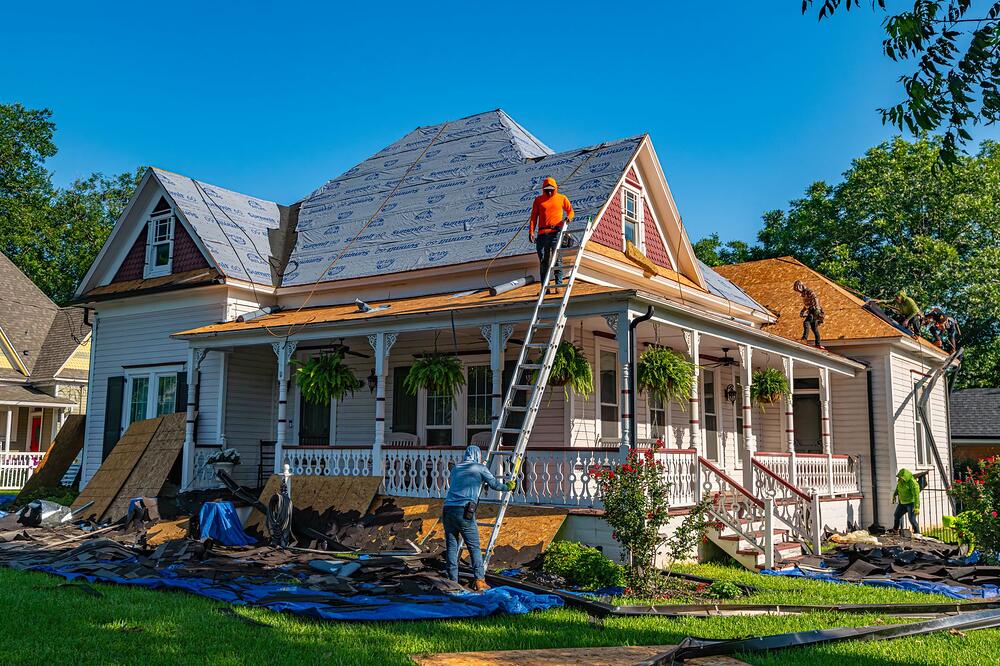
Five things to expect on a cleanup day in any Atlanta attic.
- Sheeting over the hatch and the floor beneath it
- Respirators and disposable coveralls for the removal work
- Material wetted before it is touched rather than swept dry
- Bagged waste leaving the property rather than going into a household bin
- Photographs of the attic before and after the work
Why cleanup is quoted on its own line
It is optional, so it gets priced as optional
Plenty of attics need the trapping and the sealing and nothing else, and a quote that bundles cleanup into a rodent job takes that decision away from the homeowner. The inspection reports what is contaminated and where, the cleanup appears as its own figure, and it can be declined without affecting anything else on the quote.
HomeGuide puts cleanup and decontamination at $600 to $2,500 nationally.
Sequenced to follow the sealing
An attic cleaned while the roofline is still open gets recontaminated, which is the most common way this service gets sold twice. The confirmed-clear check before the work starts is the reason the sequence holds: trapping stops producing, the last openings are closed, and only then does anybody start bagging material.
Trapping runs two to three days to two months, per HomeGuide 2026.
Precaution without the scare story
The CDC recommends respiratory protection and wetting droppings before cleanup, and advises against sweeping or vacuuming them dry. That is the basis for how the work is done here. The disease-count claims and viral scare warnings that circulate in this trade have no sound source behind them and are left out deliberately.
The CDC gives no total number of rodent-borne diseases.
What Reddit Says About Attic Cleanup in Atlanta
Cleanup is where homeowners most often feel they were upsold. Threads describe being quoted several thousand dollars for attic remediation immediately after the trapping, with no explanation of what is contaminated or how much of the attic is affected, and the replies usually advise going up and looking with a flashlight before agreeing to anything. The advice is sound: contamination confined to one bay is a very different job from contamination across an attic.
The second theme is sequencing. People who had the attic cleaned before the sealing was finished describe paying for it a second time, and that story appears often enough to be the main practical warning in this part of the corpus. The recommended order is settled: trap, seal, then clean.
The third theme is what the work is being sold as. Posters are wary of health claims attached to cleanup quotes, particularly disease counts and viral scare warnings, and several threads correct those claims directly. What people respond well to is a plain statement that droppings should be wetted and not swept, that respirators are used, and that the insulation is being replaced because it stopped working rather than because of a scare.
The last one is verification. Before and after photographs come up repeatedly as the thing that separates a cleanup somebody was happy with from one they still wonder about, since almost nobody climbs into their own attic to check. Contractors routed from this number photograph the attic at both ends of the job for that reason.
A common attic cleanup call after an Atlanta rodent job
The situation: A caller in a 1930s intown house has finished a roof rat job with the roofline closed and the trapping quiet for two weeks. There is a brown stain spreading on the ceiling of a back bedroom and a smell in that room on warm afternoons.
What gets done: The inspection confirms the attic is clear and maps the contamination: batts over three joist bays above that bedroom soaked and flattened, droppings along the joists across a wider area, and rub marks at four rafter pinch points. The quote covers removing the batts in the affected bays, cleaning the deck and joists, treating the surfaces, and separately replacing the insulation in those bays.
How it turns out: The hatch route is sheeted, the fouled batts are wetted, bagged and taken out, and the joists and deck are cleaned and treated. Fresh batts go into the affected bays. The ceiling is repainted by the homeowner once the source is dealt with, and the back bedroom stops smelling of anything on warm days.
Cleanup questions Atlanta callers ask
Five answers on scope, safety, cost and whether the work is necessary at all.
Call (404) 924-6653Can I skip the attic cleanup?
Often, and the inspection will give you a straight answer. Where the occupancy was short and the droppings are confined, the sealing and the trapping have done the work and the attic can be left. Where insulation has been soaked or nested in, it is no longer doing its thermal job, and the Department of Energy notes that compressed and wet insulation underperform. Where contamination is widespread, removing the scent trail also removes a reason for the next animal to choose your house.
Can I clean the attic myself?
A contained area is a reasonable homeowner job with the right precautions. The CDC recommends wetting droppings before disturbing them, using respiratory protection, and avoiding dry sweeping or vacuuming. The practical difficulties are the ones people underestimate: working over joists with no floor, in a low intown attic, in an Atlanta summer, while carrying bags out through a hallway. Where the contamination is spread across the attic, it is worth having somebody equipped do it.
Is there a real health risk up there?
The honest answer is that precautions are sensible and the scare numbers are not real. The CDC says rodents are known to carry many diseases, spread directly through contact with urine, droppings, saliva or a bite and indirectly through fleas, ticks and mites, and it gives no total count. The frequently quoted disease figure has no live source behind it, and the viral illness usually named is not a meaningful attic risk in this region. Wetting material, wearing a respirator and not sweeping dry droppings is the appropriate level of care.
What does attic cleanup cost in Atlanta?
No local firm publishes a figure, so the reference is HomeGuide's 2026 national guide at $600 to $2,500, rising to around $4,000 where the contamination is severe. Insulation removal and replacement is separate at $2.50 to $5.50 per square foot in the same guide, and a full-scope restoration runs $3,000 to $10,000 and up. Those are national bands rather than Atlanta figures, and the free inspection is what produces the actual quote for your attic.
How long does the cleanup take?
Most residential attics are a one or two day job once the attic is confirmed clear. Low, unfloored bungalow attics take longer than the square footage suggests because everything has to be carried over joists, and loose fill takes longer than batts because contaminated material cannot be lifted out selectively. Insulation replacement adds a further visit and is usually scheduled straight after the cleaning while the attic is still empty.