Rodent Removal in Kirkwood
Kirkwood puts hundred-year-old bungalows next door to houses finished last year, and the rodent pressure moves between them. A neighbor's renovation is a common reason a settled block suddenly gets busy.
- Bungalows beside new infill
- Crawl spaces and low attics
- Construction pushes them around
Two building eras on the same block
Kirkwood is one of the most mixed blocks of housing in the city, and the mix is the local condition worth understanding. Early 1900s to 1920s bungalows sit next to post-war infill and next to houses built in the last few years, often on the same street and sometimes side by side.
The old stock behaves like the rest of the intown neighborhoods: brick pier foundations, vented crawl spaces over red clay, no vapor barrier, low unfloored attics and a century of settling. Openings are at both levels and there are usually several of them.
The new stock is tighter but not sealed. A recently built house has a slab or a well-formed crawl space, a proper ridge vent and a continuous soffit, and its weak points are different: a garage door sweep, an unsealed penetration where a utility line was run late in the build, a gap at a dryer vent, and the roof return, which is a feature of the construction detail rather than a defect that develops.
Why the mix matters to you
A rodent population on a Kirkwood block is not confined to the oldest house. When a demolition or a renovation starts next door, whatever was living in that structure moves, and the house that gets the call is usually the settled one two doors away rather than the one being worked on.
What happens to a block during a renovation
Displacement, which is the most common reason a Kirkwood homeowner who has never had a rodent problem suddenly has one. A structure that has been standing empty or partly occupied holds a population, and taking it apart sends that population looking for the nearest alternative.
The same applies to a heavy renovation. Opening a roof, taking out a floor or leaving a building open at night for weeks changes what was a stable situation. The neighboring houses feel it first, and the ones with open crawl space vents and a limb over the roof feel it most.
What to do when work starts nearby
Five actions close a sound house before a displaced population arrives.
- Walk your own foundation line and look for open or unscreened vents
- Check the crawl space access door is latched rather than propped
- Cut limbs back from your roof before anything starts rather than after
- Look at the garage door sweep across its full width
- Book an inspection early, since closing a sound house is cheap and clearing an occupied one is not
Note that the City of Atlanta requires a rodent clearance letter for a demolition permit, dated no more than 30 days before permit issuance, which exists precisely because demolition disperses whatever is living in a structure. If a demolition is happening next to you, that requirement is worth knowing about. Details are on rodent clearance letters.
The bungalow details that matter here
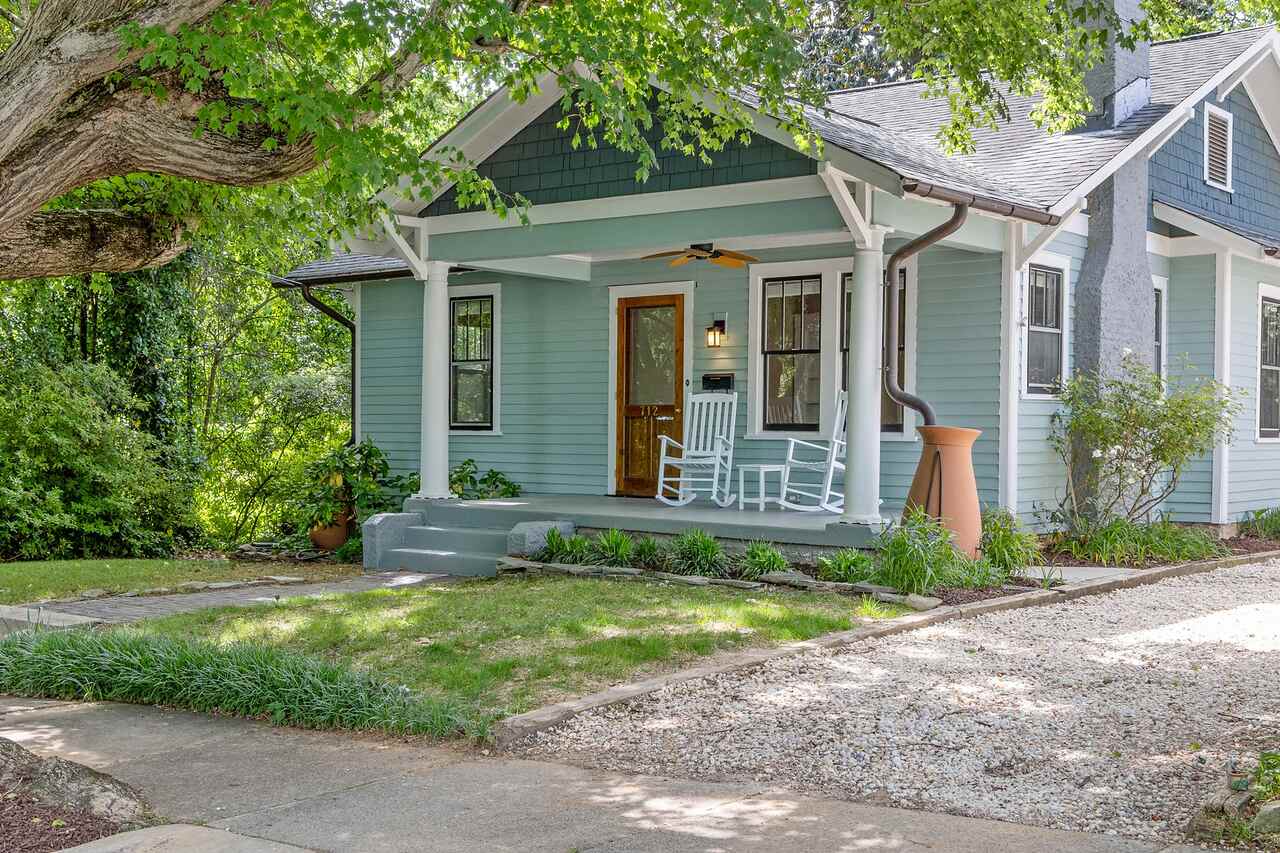
A Kirkwood bungalow gives up an animal in a small number of predictable places, and the porch is one of the most overlooked.
Many of these houses have a deep front porch on its own piers, with a skirt or lattice panel closing the space beneath. That space is frequently open behind the lattice, connects to the main crawl space, and gives an animal a protected route along the front of the house that nobody looks at. It is also where ground cover and stored items collect.
The rest of the list on this stock
- Foundation vents with the screening gone, usually all of them at once
- The band joist at the rear where the grade is highest against the house
- The crawl space door, commonly a plywood panel held by a brick
- Kitchen and bathroom floor penetrations from renovations
- The roof return at each corner and any porch roof junction
- A gable vent on the street-facing gable, screened once and never since
Low, unfloored attics make the trapping stage slower on these houses. There is no way around that and it shows up in the hours rather than in the materials, which is a reasonable thing to have explained on a quote.
A representative Kirkwood porch closure
The job that comes up most often on this stock is closing the space under a front porch. The lattice or skirt panel is usually intact and decorative, and the opening is behind it: a gap where the panel meets the pier, a missing section at ground level hidden by planting, or a route through into the main crawl space where the porch structure meets the house.
The closure is done from behind wherever possible so the porch looks unchanged. Galvanized mesh is fitted to the framing behind the lattice, carried down and turned into the soil line so nothing can dig under it, and the junction between the porch space and the main crawl space is closed as a separate opening. Stored items and dense planting are cleared back from the skirt at the same time, because harborage against the closure is what leads to the next one.
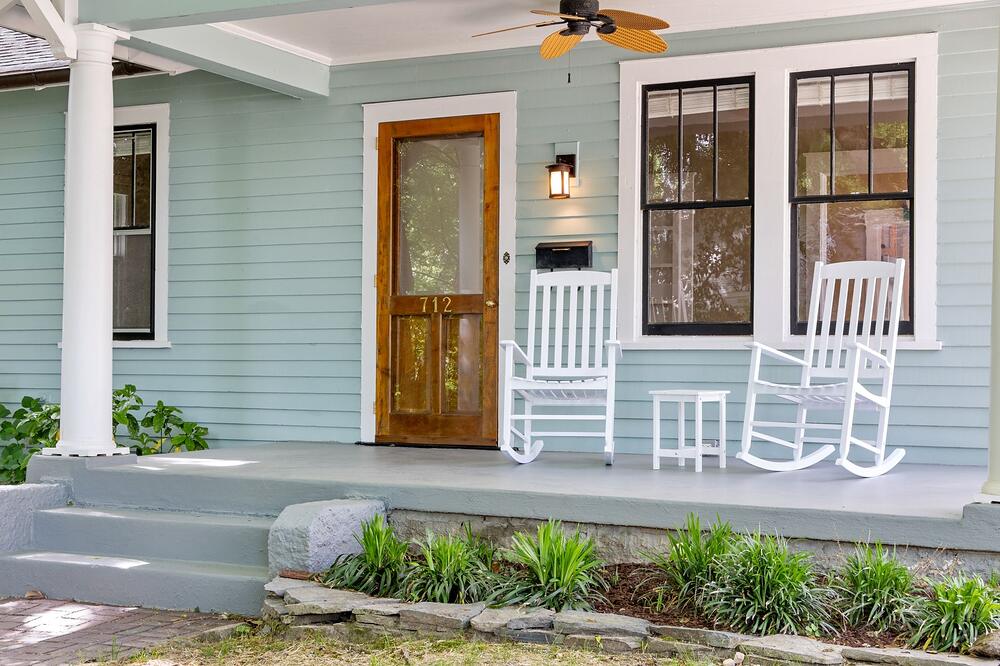
Rodents in the attic
What is happening above the ceiling, explained.
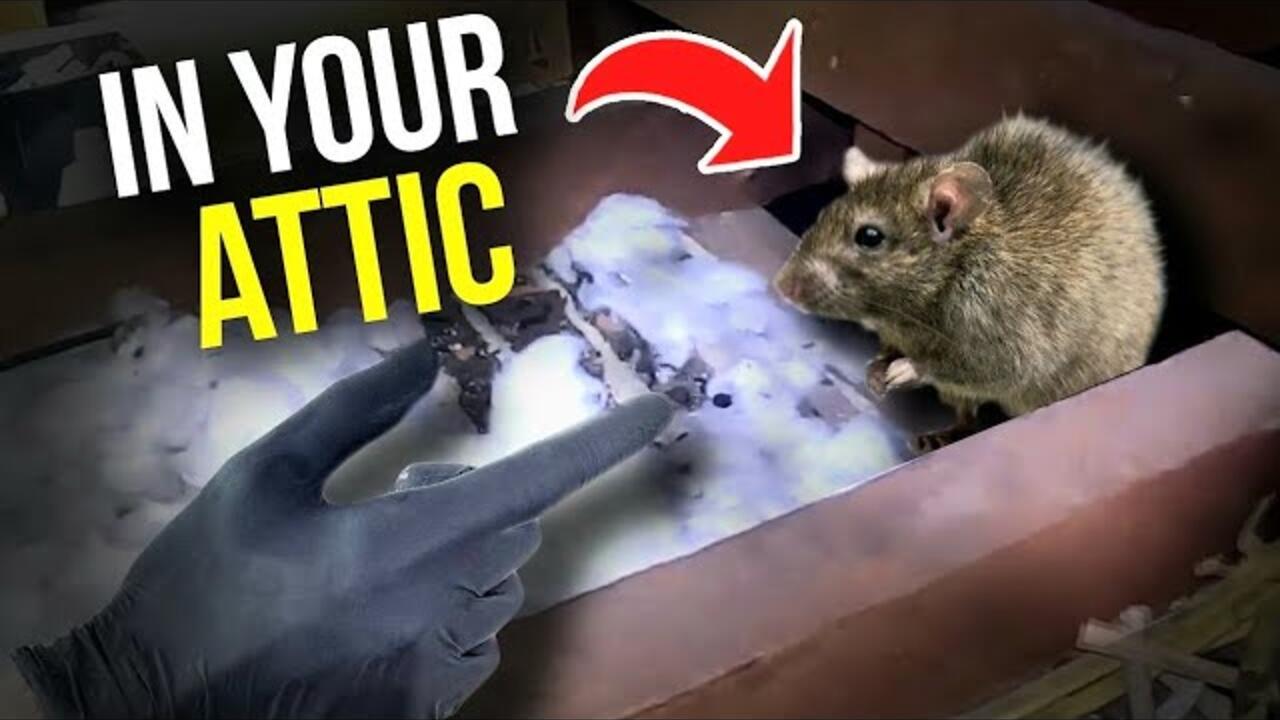
Video: Rodents in your ATTIC!? Here's what you do, from Twin Home Experts.
Why Kirkwood calls tend to arrive in waves
Construction moves populations
A demolition or a heavy renovation on a Kirkwood block disperses whatever was living in that structure into the houses around it, and the call usually comes from a neighbor rather than from the site. Closing a sound house before the work starts costs a fraction of clearing an occupied one afterward, so a block with a permit sign on it is a reason to book an inspection early.
The City of Atlanta requires a rodent clearance letter for a demolition permit.
Old and new houses fail differently
A 1915 bungalow gives up an animal at the foundation vents, the pier infill and the band joist. A house finished last year gives one up at the garage sweep, a late utility penetration and the roof return. The inspection is written for the house in front of it rather than from a template, which on a mixed block matters more than it does anywhere else in the city.
UF/IFAS puts the opening a mouse needs at a quarter of an inch.
The porch is where nobody looks
A deep bungalow porch on its own piers, closed with lattice, hides a protected route along the front of the house that connects to the main crawl space. It collects planting, stored items and leaf litter, and it is almost never inspected. Closing it from behind the lattice keeps the porch looking as it did and removes one of the most reliable entries on this stock.
Norway rats and mice work the foundation and crawl space level.
A common Kirkwood call
The situation: A caller in a 1918 bungalow has never had a rodent problem in eleven years and now hears scratching under the kitchen floor most evenings. A house three doors down was demolished six weeks earlier and a new one is being framed.
What gets done: The inspection finds mouse and rat sign along the crawl space wall line, four foundation vents with no screening, and an open route from beneath the front porch into the main crawl space behind a sound-looking lattice panel. The attic is clear. The quote covers screening the vents, closing the porch route from behind the lattice, sealing two kitchen floor penetrations from below, and trapping at crawl space level only.
How it turns out: The vents and the porch route are closed first since neither shows current traffic, traps go along the wall line under the kitchen and produce for about a week. The last penetration is sealed after that, and the kitchen floor goes quiet before the new house next door is dried in.
Kirkwood questions
Four answers on construction next door, porches, attics and cost.
Call (404) 924-6653There is a demolition starting next door. Should I do anything?
Book an inspection before it starts rather than after. Demolition disperses whatever is living in a structure into the surrounding houses, which is why the City of Atlanta requires a rodent clearance letter dated no more than 30 days before a demolition permit is issued in the first place. Closing a sound house is a short job; clearing one that has just taken on a displaced population is a long one. In the meantime, screen your foundation vents, latch the crawl space door and cut limbs back from your roof.
My house is new. Why do I have rodents?
Because new construction is tighter rather than sealed. The openings on a recent house are different from the ones on a bungalow: a garage door sweep that does not meet the slab at the ends, a utility penetration run late in the build and never sealed, a gap at a dryer vent, and the roof return where the soffit meets the roof deck, which is a normal construction detail rather than a defect. Those are quick to close once somebody has looked for them.
Will closing the porch change how it looks?
It should not. Mesh is fitted to the framing behind the lattice or skirt panel rather than across the front of it, carried down and turned into the soil so nothing digs under, and the panel goes back as it was. Where a panel is damaged and has to come off to do the work, that is raised before the job rather than after. Clearing planting and stored items back from the skirt is part of the same visit.
What does rodent work cost on a Kirkwood bungalow?
Trapping sits inside the Angi Atlanta range of $442 to $1,138, averaging somewhere around $786, and HomeGuide's 2026 national guide puts full-home exclusion at $500 to $2,500. A bungalow with an open pier crawl space and a porch to close usually sits in the middle to upper part of the sealing band, and a low unfloored attic adds hours to any trapping stage. The free inspection turns those bands into a quote.