Rodent Inspection in Atlanta, GA
The inspection is the product. One visit produces a photographed list of every opening, a reading of which ones are in use, and a written quote with each stage priced on its own line.
- No charge, no obligation
- Photographs rather than a verbal summary
- Itemized written quote
What the free inspection covers on an Atlanta house
Five areas get walked in a fixed order: the roofline from a ladder, the attic, the crawl space or basement, the interior signs, and the yard. The order matters because the roofline decides what the attic is likely to show.
The roofline
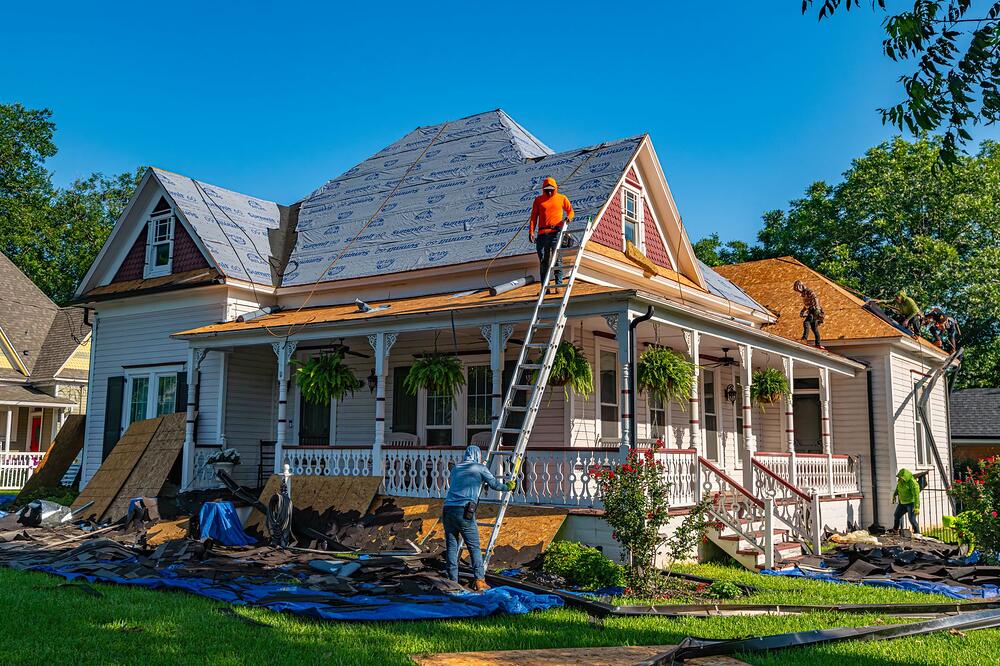
A ladder goes up at the eave before anything else. The roof return where the soffit meets the roof deck is checked at each corner, then the gable vents and their screening, the fascia line, the ridge and off-ridge vents, the penetrations for bath fans and flues, and the chimney chase and cap. Each opening found is photographed with something in frame for scale.
The attic
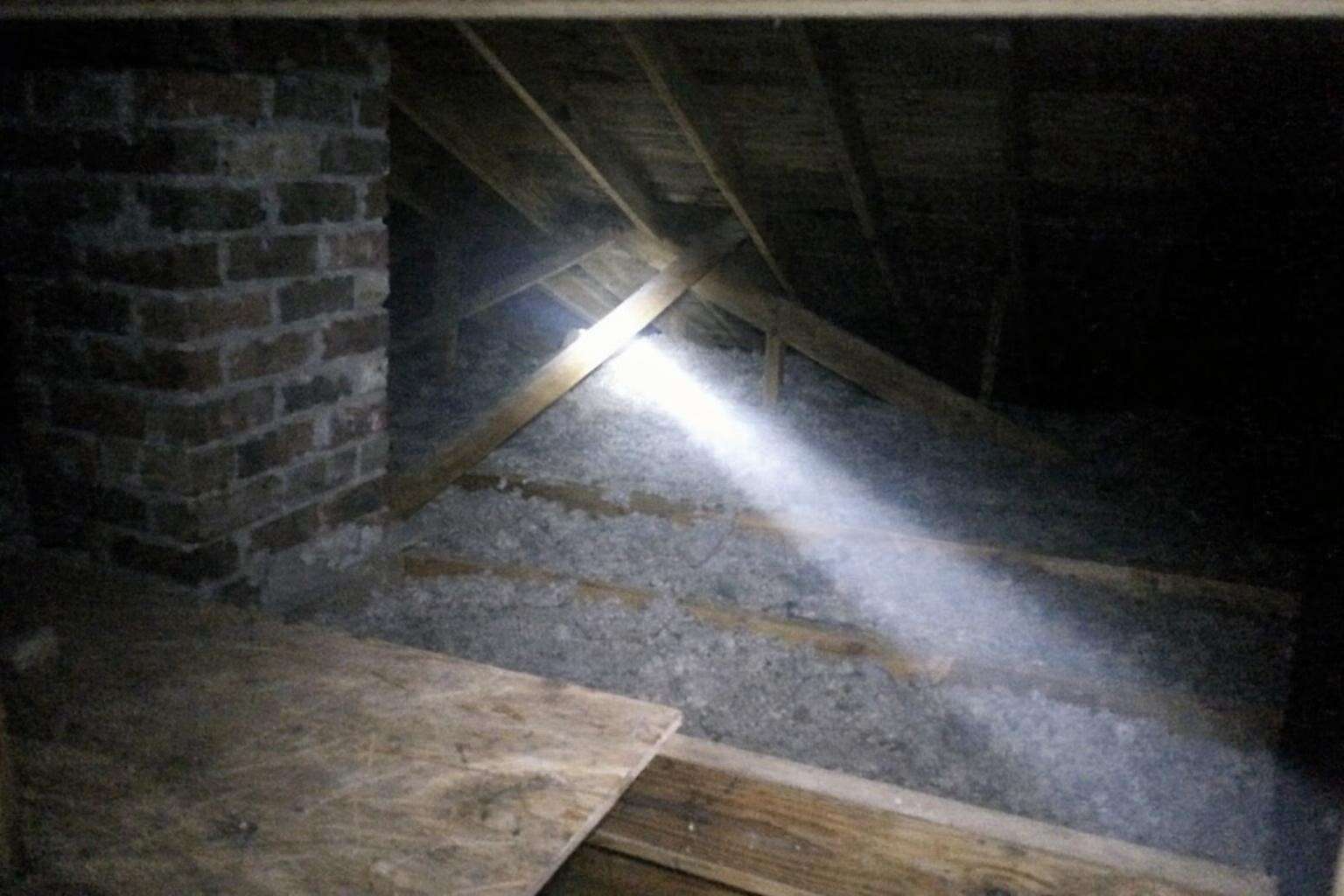
The attic is read for evidence rather than searched for the animal. Droppings along joists, greasy rub marks at the pinch points, insulation hollowed out or pushed aside, chewed wire casing, and staining on the drywall above a room all map the runs. Low, cut-up, unfloored attics in older intown houses take longer to read and that is normal.
Below the floor
On the pre-1940 stock that means the crawl space: vents and their louvers, gaps between brick piers, the band joist, the access door, and whether there is a vapor barrier over the red clay. On a newer house with a basement it becomes the band joist, the utility penetrations and any walkout door.
Exterior and trees
The last pass is around the outside. Limbs lying on or over the roof, ivy climbing into the soffit line, wood piles and dense ground cover against the wall, the garage door sweep, bird feeders and fruit trees. On a canopied Atlanta lot the trees are frequently the most important finding of the whole visit.
What you receive at the end of the visit
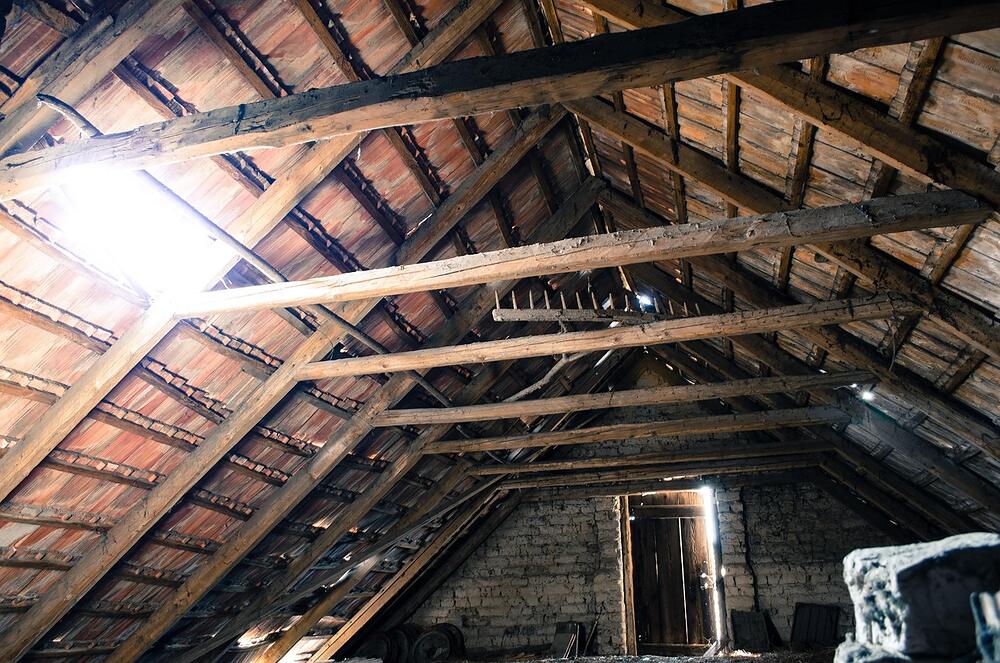
Three things, and all three are yours whether or not any work follows. A photographed list of openings, a reading of which ones show current traffic, and an itemized written quote.
The list is what makes the quote arguable. Nine or fourteen openings, each with a picture and a location, turns a sealing line from a number into an inventory. It is also the only practical way to compare two bids, which homeowners in this market consistently say they cannot do.
The traffic reading is what sets the sequence. Openings with no rub marks, droppings or disturbance get closed first. The ones in use stay open until the trapping stops producing, so nothing is shut inside the house.
What the quote separates
Six lines appear on a quote written from a proper inspection.
- Trapping, with the number of follow-up visits stated
- Sealing, itemized by opening rather than as a single figure
- Carpentry or masonry where a band joist or pier infill has to be repaired first
- Attic or crawl space cleanup and decontamination
- Insulation removal and replacement, priced by area
- Any ongoing plan, priced separately so it can be declined
Georgia requires rodent control services be performed under a written contract, so a written quote is where that begins rather than an extra courtesy.
Telling flying squirrels from rats before anyone climbs a ladder
Most of it can be settled on the phone, and it needs to be, because the two animals sit under different Georgia rules and need different contractors.
A roof rat runs after dark, moves in lines across joists and top plates, and leaves droppings a quarter to half an inch long that are banana shaped with pointed ends. A southern flying squirrel is also nocturnal, which is where the confusion begins, but it is colonial, so several are present at once. The sound is lighter and less directional, more of a scurrying and rolling, sometimes with chattering, and it nests inside the insulation rather than running along a joist.
Eastern gray squirrels settle themselves: daytime noise, heaviest around first light and again before dark, and heavier footfalls. Eastern chipmunks burrow at foundations and crawl spaces and get taken for mice at ground level rather than overhead.
Why the distinction decides who attends
Under Georgia Department of Natural Resources rules, rats and mice are exempt species that may be taken by any means, in any number, at any time. Gray, fox and southern flying squirrels are protected: trapping them for hire requires a DNR nuisance wildlife control permit, and the animals must be released on site or humanely euthanized rather than relocated. A contractor without that permit cannot legally handle the job, so working the identification out in advance saves a wasted visit.
Why this inspection is free when a paid one runs $210 and up
Angi puts a standalone rodent inspection in Atlanta at $210 to $420, and HomeGuide's 2026 national figure is $0 to $175. Homeowners on the pest forums describe paying around seventy-five dollars just to receive a bid, and treat that fee as a real barrier to getting a second opinion.
That barrier is the problem worth removing. The advice every homeowner gets is to obtain more than one bid for identical scope, and a fee attached to each bid makes people stop at one. A free inspection with a written, itemized quote is what makes a second opinion practical.
The inspection also has to be free for the quote to be honest about scope. An inspection somebody has paid for creates pressure to justify the fee with findings, and a free one carries no such pull. Where the finding is that the attic needs trapping and nothing else, that is the finding.
What free does not mean
It does not mean shorter. The roofline still gets a ladder, the attic still gets read, the crawl space still gets entered where there is one. It also does not mean an obligation: the photographed list and the written quote are yours to take to another company if you want to.
Inspections tied to a sale, a lease or a permit
Some inspections exist to produce paperwork rather than to start work, and those run to a different timetable. Three situations come up regularly in this market.
A home inspection turned something up
A general home inspector notes rodent evidence in an attic or crawl space and the buyer wants it resolved before closing. What is needed is an inspection specific to rodents, the remedial work, and then a letter stating the property shows no active infestation and the entry points have been closed.
A lender or appraiser asked for it
FHA, VA and USDA appraisers can call for a rodent clearance letter where evidence is noted. Worth knowing: the Official Georgia Wood Infestation Inspection Report, the termite letter lenders ask for at closing, covers termites, wood-boring beetles and wood-decay fungi only and says nothing at all about rodents. They are separate documents from separate inspections.
A City of Atlanta demolition permit
The city requires a rodent clearance letter for a demolition permit, dated no more than 30 days before permit issuance, which puts a hard clock on the sequence of inspect, treat and letter. Details are on the rodent clearance letters page.
In all three cases the order is the same: inspect, do whatever the inspection finds, then write the letter. A letter issued before the work is a letter describing a property that still has rodents.
How to get the most out of the visit
Clear access and a good history are worth more than anything else you can do. The inspection is limited by what can be reached and by what you can tell the inspector.
- Clear a path to the attic hatch and move anything stored directly under it
- Unlock or unblock the crawl space access door, and move planting or stored items away from it
- Note the times you hear activity across several nights, since the clock identifies the species
- Keep any droppings you found in place rather than cleaning them up, because they map the runs
- Photograph anything that has already been cleaned or repaired, especially previous sealing work
- Have the age of the house and any roof or renovation dates handy
- Say up front if a closing date, a permit or a lease inspection is driving the timing
Previous work matters more than people expect. Where an earlier contractor foamed the openings, that foam has to be cut out before anything permanent can be fastened, and knowing it is there changes the quote.
What happens after the inspection
Nothing, unless you say so. The quote is written, sent and left with you, and there is no work scheduled off the back of the visit itself.
Where the answer is to proceed, the first work is usually within a few days: the openings with no traffic get closed and the traps go into the active runs. HomeGuide gives two or three days for a handful of animals and as much as a couple of months for a heavy one, so the schedule after that depends on what the attic holds.
Where the answer is to wait, the list of openings stays useful. Limb cutting, ivy removal and a garage door sweep are homeowner jobs that shrink the problem at no cost, and doing them changes the picture before any money is spent.
Where the answer is to get another bid, take the photographed list with you. Two quotes against the same list of openings is the only comparison that means anything.
Services that usually go with this one
What the inspection finds decides which of these comes next.
- Rodent Exclusion: Closing every opening down to a quarter inch, at the roofline and at the crawl space, in galvanized steel rather than foam.
- Roof Rat Removal: Trapping in the runs the animals are using, sequenced with sealing at the roof returns and gable vents where they got in.
- Rodent Clearance Letters: The written letter a lender, a buyer or a City of Atlanta demolition permit asks for, and the work that has to happen first.
How the pieces fit together is covered on the about page, and the contact page has the hours and the address.
A full rodent inspection
Every part of a house, walked in order.
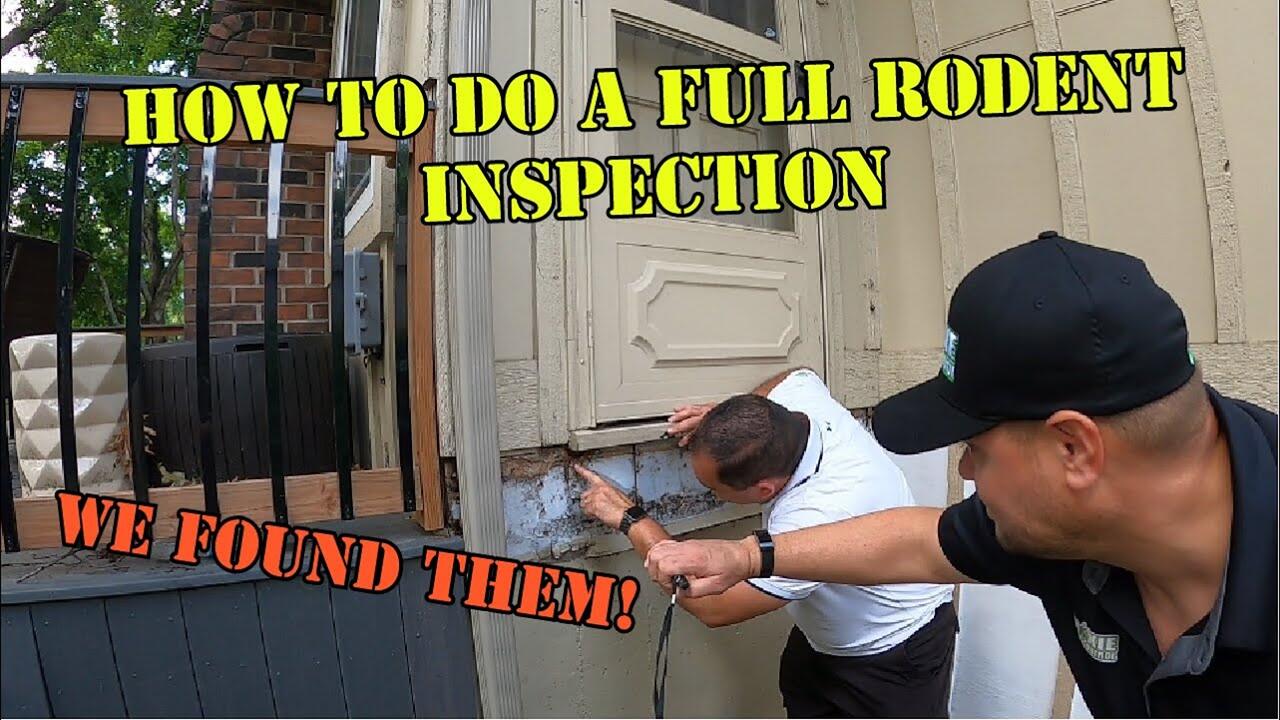
Video: How to do a mouse or rat inspection on a home, from Pest Control Guys.
How the inspection runs
Four stages, usually inside two hours on an average house.
-
The phone conversation
Where the noise is, what time it happens, how long it has run and what you have found. That narrows the species and decides which contractor is right to send.
-
The exterior and roofline
A ladder at the eave, then the returns, vents, fascia, penetrations and chimney, then a walk of the yard for limbs, ivy and ground cover against the wall.
-
Inside and underneath
The attic read for runs, droppings and disturbed insulation, then the crawl space or basement for vents, piers, band joist and the access door.
-
The written quote
The list of openings with photographs, a note of which are in use, and prices for trapping, sealing, carpentry and cleanup on separate lines.
What to expect
Five things the visit should produce, on any house in the metro.
- A ladder at the eave rather than a survey from the driveway
- A photograph of every opening, with scale in the frame
- A clear statement of which openings show current traffic
- A quote separating trapping, sealing, carpentry and cleanup
- The company license number, checkable on the state lookup
Why the inspection carries the whole job
Free removes the barrier to a second opinion
Angi puts a paid Atlanta rodent inspection at $210 to $420, and homeowners describe paying around seventy-five dollars elsewhere just to receive a bid. That fee is why most people stop at one quote, and one quote cannot be judged. Removing the charge is what makes the advice to compare bids usable, and the photographed list is what makes the comparison meaningful.
HomeGuide puts the national standalone inspection at $0 to $175.
Evidence beats a walk-through
The runs are mapped from droppings, rub marks and disturbed insulation rather than from a sighting, because the animal is asleep when the inspector is on the ladder. UF/IFAS records roof rat droppings at a quarter to half an inch, banana shaped with pointed ends, which is the identification that decides where traps go and how many are needed.
Only the roof rat dropping figure is a sourced measurement.
The species decides who can legally attend
Rats and mice are exempt under Georgia Department of Natural Resources rules and may be taken at any time. Gray, fox and southern flying squirrels are protected and need a DNR nuisance wildlife control permit, with the animals released on site or humanely euthanized rather than relocated. Since flying squirrels are the animal most often reported as rats in North Georgia attics, the identification is not a detail.
Rodent control itself sits under Georgia Department of Agriculture Category 29.
What Reddit Says About Rodent Inspections in Atlanta
The inspection fee is a running complaint in the homeowner threads. People describe paying around seventy-five dollars just to have somebody look and produce a bid, and then facing the same charge again for a second opinion. The result is that most posters are trying to evaluate a single quote with nothing to compare it against, which is exactly the position the advice in those same threads tells them to avoid.
What people ask each other to check is consistent. Did the inspector get on a ladder or did they look from the ground. Did they go into the crawl space. Did you see photographs. Did the quote break out trapping from sealing from cleanup, or arrive as one number. Threads where the writer can answer yes to those tend to end with a job that finished; threads where the answer is no tend to run for months.
Species confusion shows up repeatedly and is treated as a genuine skill test. One widely shared thread has two different exterminators disagreeing over whether an animal was a juvenile roof rat or a mouse, and posters use that as the reason to ask what the inspector based the identification on. Droppings, run marks and the time of night are the answers people trust; a confident guess is not.
The last theme is pressure. People warn each other about inspections that end in a signature on the spot and a monthly plan attached, and recommend taking the quote away and reading it. An inspection that costs nothing and produces a document you can walk out with is the version of this everybody in those threads is describing as what they wanted.
A common inspection call from a metro Atlanta homeowner
The situation: A caller in a 1970s split level has heard noise above the bedroom ceiling for about three weeks and has already had a general pest company set bait stations outside with no change. Nobody has been into the attic and nobody has been on a ladder.
What gets done: The inspection starts at the eave and finds the roof return open on the garage side and a gable vent with the screen gone. In the attic the insulation is nested rather than run across and the droppings are wrong for a rat, which points to flying squirrels, so the file is routed to a contractor holding a DNR nuisance wildlife control permit as well as the pest license. The quote covers the permitted trapping, the two closures and screening the remaining vents.
How it turns out: The correct animal is identified before anyone sets a trap, the work is done by a contractor who can legally do it, and the bait stations come out because nothing about them was ever going to address an animal living in the insulation. The bedroom goes quiet inside three weeks.
Inspection questions Atlanta callers ask
Five answers on cost, access, timing and what the visit produces.
Call (404) 924-6653Is the inspection really free?
Yes, with no obligation attached to it. The photographed list of openings and the itemized written quote are yours at the end of the visit whether you proceed, wait, or take the document to another company for a competing bid. Angi puts a paid Atlanta inspection at $210 to $420 and HomeGuide's national band is $0 to $175, so the charge is real in this market and removing it is deliberate.
How long does an inspection take?
Usually one to two hours on an average house. A single-story ranch with a floored attic and a basement runs quicker; a two-story with dormers, a cut-up unfloored attic and an open pier crawl space takes longer because there is more to reach and more to read. Site visits are booked between seven in the morning and seven in the evening, seven days a week.
Do I need to be home for it?
Somebody needs to let the inspector in and it helps a great deal if it is the person who has been hearing the noise. The timing and location of the sound is evidence that cannot be gathered from the attic, and the conversation on site often changes the reading. Where that is impossible, a written note of what has been heard and when, with dates, does most of the same work.
What if the inspection finds nothing?
That is a legitimate result and it gets written down. Noise in a ceiling is sometimes a bird in a bath fan duct, a squirrel on the roof rather than in it, or expansion in ductwork. Where no evidence of rodent occupancy is found, the report says so and lists whatever openings exist for you to deal with at your own pace. There is nothing to pay and nothing to decline.
Can the inspection produce a clearance letter for a closing?
The inspection is the first step toward one rather than the letter itself. A rodent clearance letter states that the property shows no active infestation and that entry points have been sealed, so where the inspection finds activity the trapping and sealing happen first and the letter follows. Where the property is clear, the letter can follow quickly. Note that the Georgia termite letter lenders ask for covers wood-destroying organisms only and says nothing about rodents.