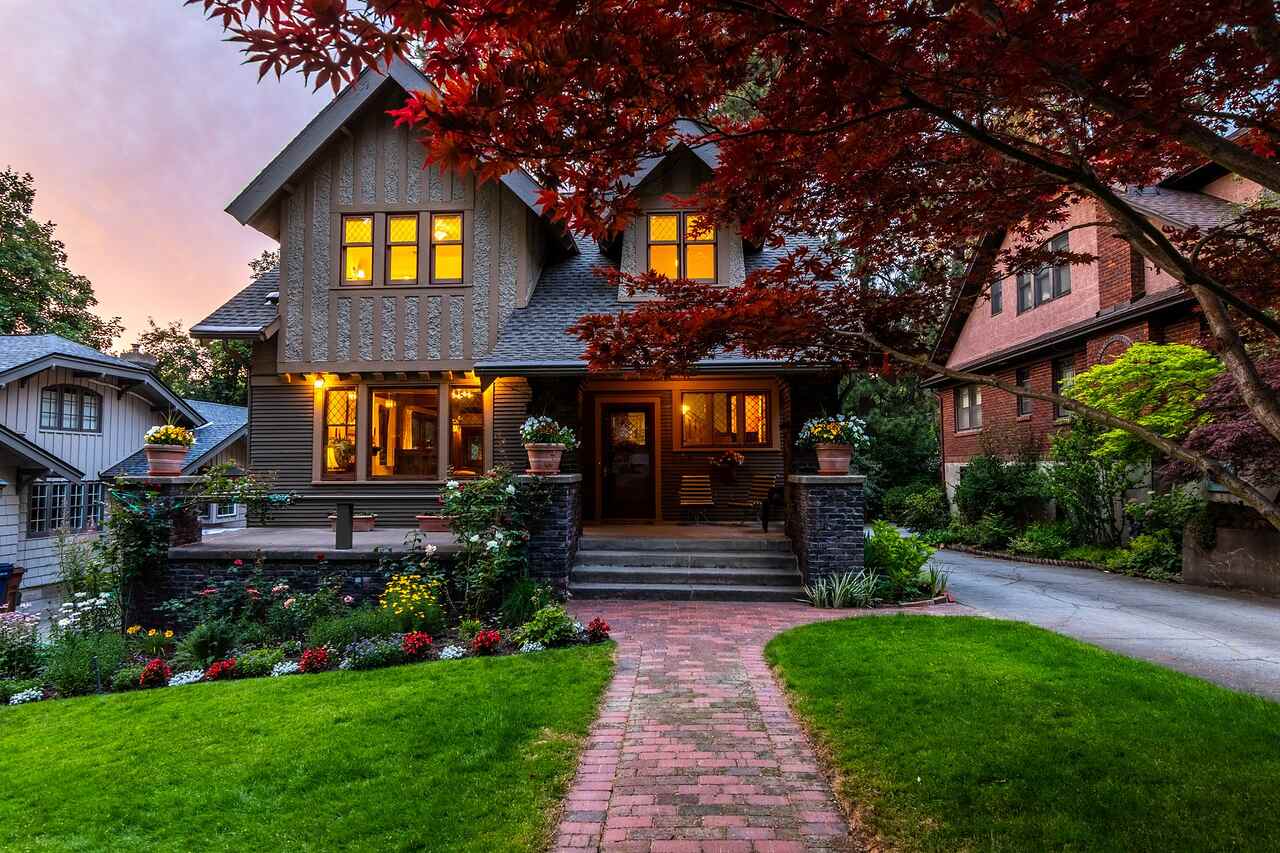
Rodent Removal in Atlanta, GA
Scratching overhead at two in the morning, droppings on a joist, a chewed foundation vent. The inspection is free, the quote is itemized, and the sealing is what keeps the problem from coming back.
- Free inspection, written quote
- Poison-free trapping by default
- Sealed to a quarter inch
What gets arranged on an Atlanta rodent call
Ten services, most of them run in sequence on the same job. The inspection decides which ones a house needs and the quote prices each of them on its own line.
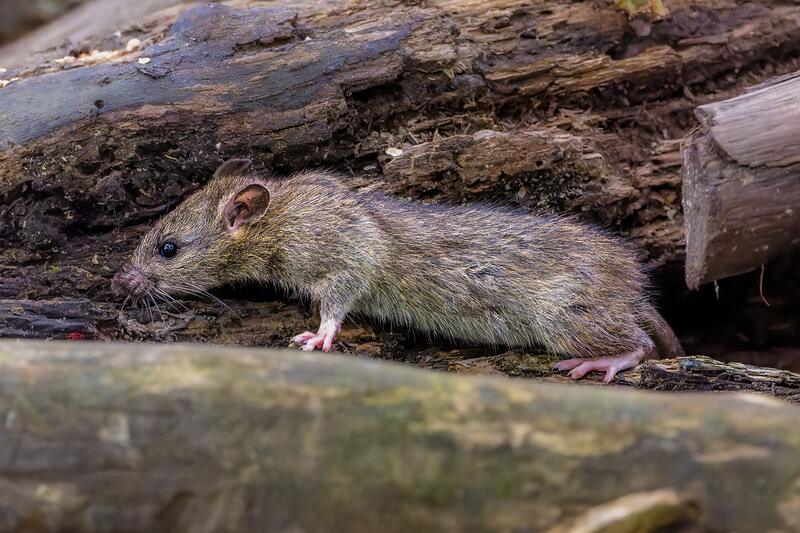
Roof Rat Removal
Trapping in the runs the animals are using, sequenced with sealing at the roof returns and gable vents where they got in.
More on roof rat removal →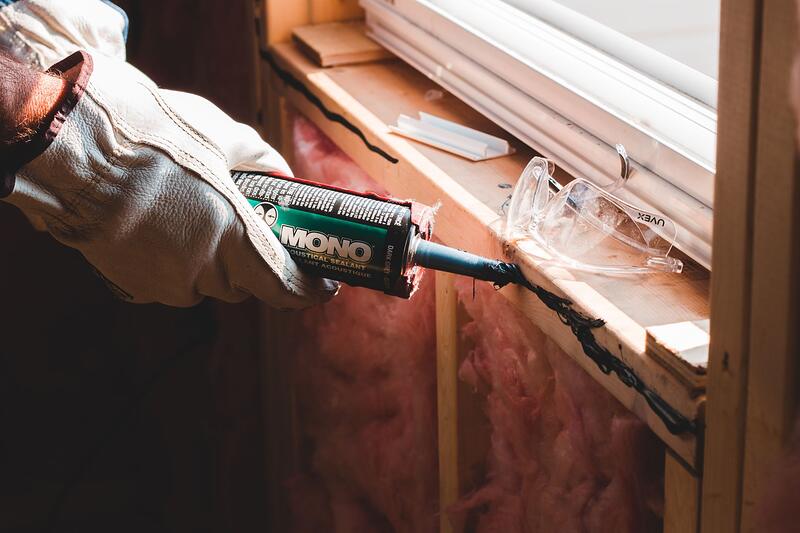
Rodent Exclusion
Closing every opening down to a quarter inch, at the roofline and at the crawl space, in galvanized steel rather than foam.
More on rodent exclusion →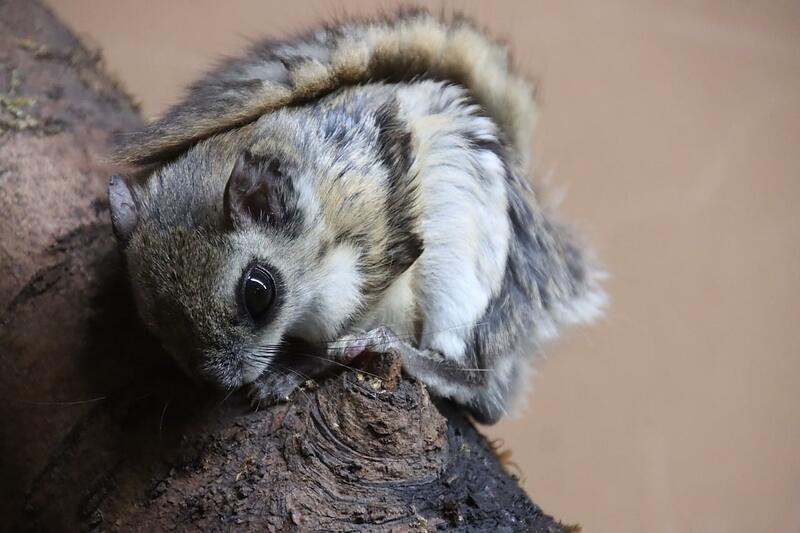
Rodent Inspection
A free walk of the roofline, attic, crawl space and yard, photographed, with an itemized written quote from it.
More on rodent inspection →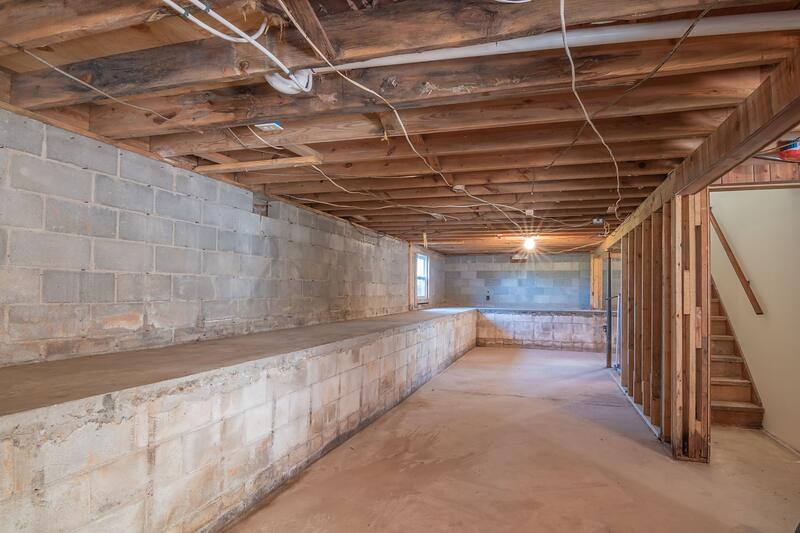
Crawl Space Rodent Control
Norway rats and mice at floor level on an open pier crawl space: vent screens, band joist repair, access door, trapping.
More on crawl space rodent control →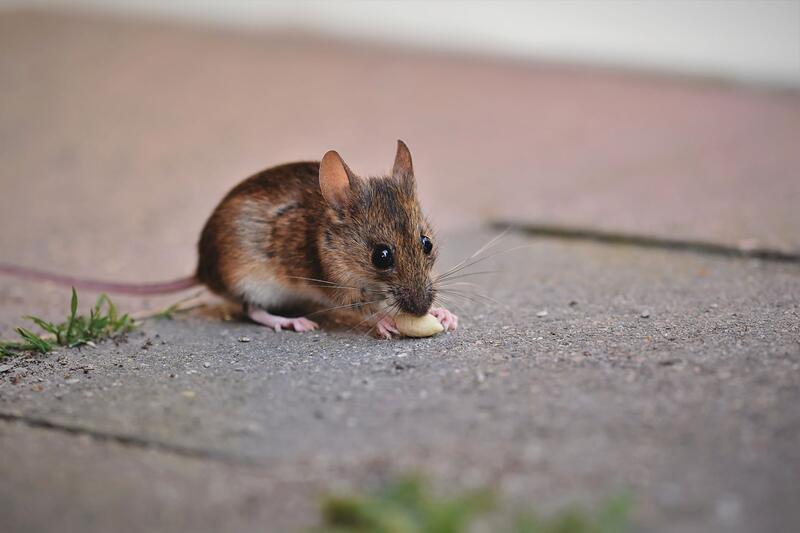
Mouse Removal
House mice in kitchens, garages and wall voids, closed out at the entry points and trapped in the voids they run.
More on mouse removal →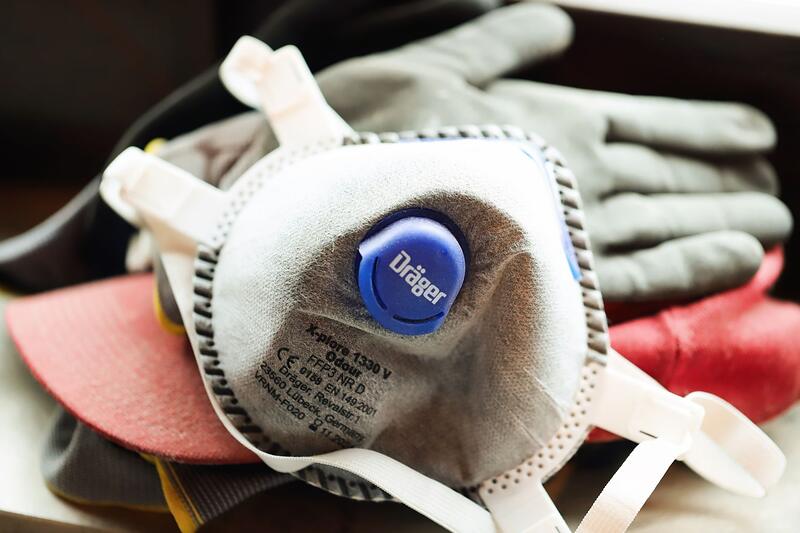
Attic Cleanup
Droppings, nesting and soiled insulation removed under respiratory protection, then the deck cleaned and treated.
More on attic cleanup →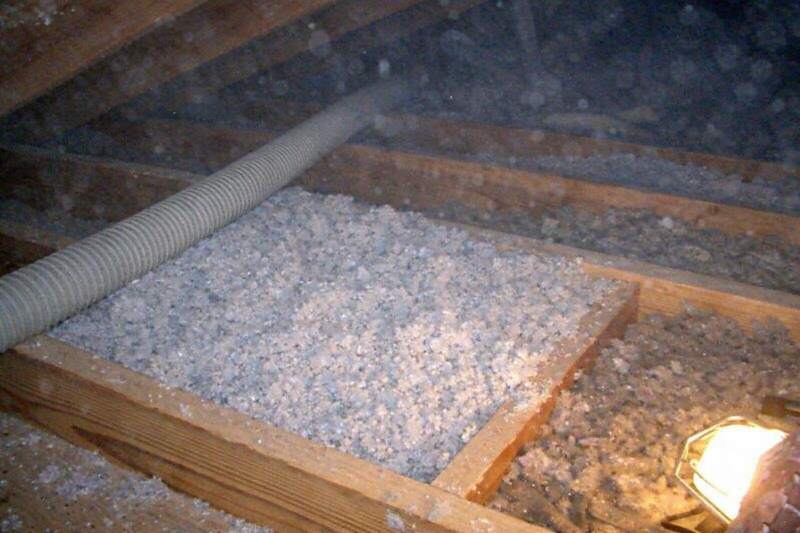
Attic Insulation Replacement
Contaminated or compressed insulation taken out and replaced to the depth the attic is supposed to carry.
More on attic insulation replacement →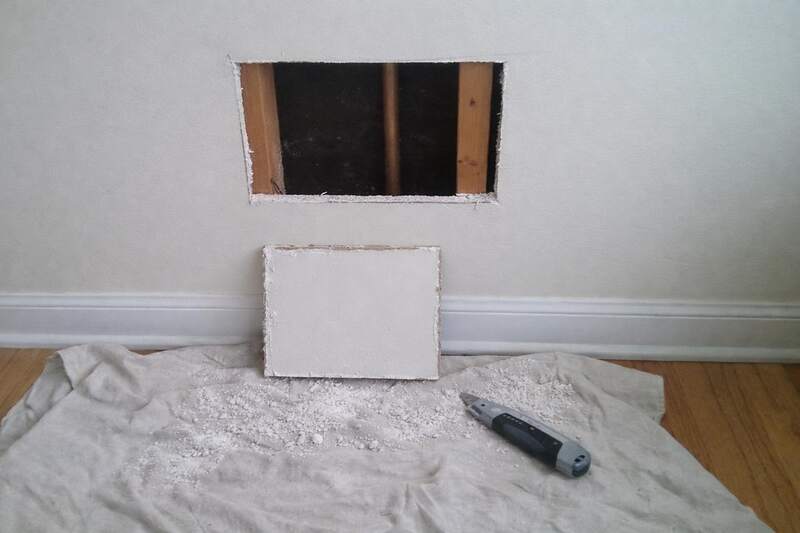
Dead Rodent Removal
Finding the carcass behind drywall or under a floor, taking it out through a small access cut, then closing the way in.
More on dead rodent removal →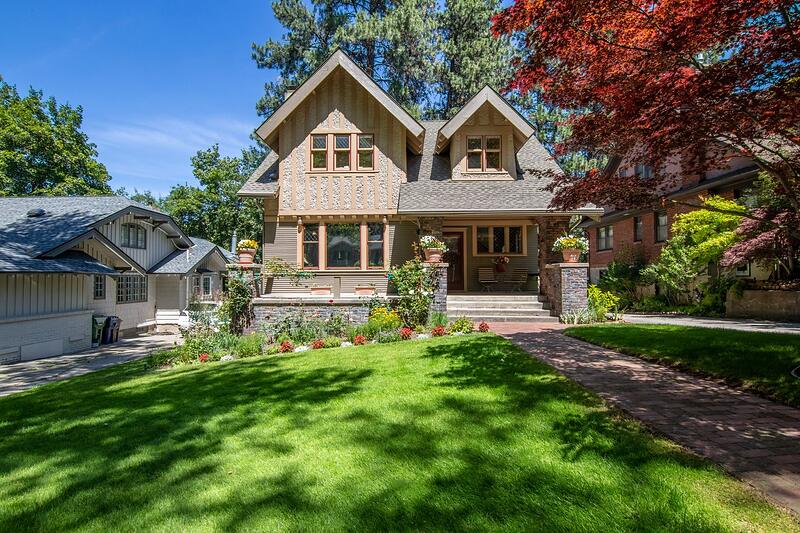
Rodent Clearance Letters
The written letter a lender, a buyer or a City of Atlanta demolition permit asks for, and the work that has to happen first.
More on rodent clearance letters →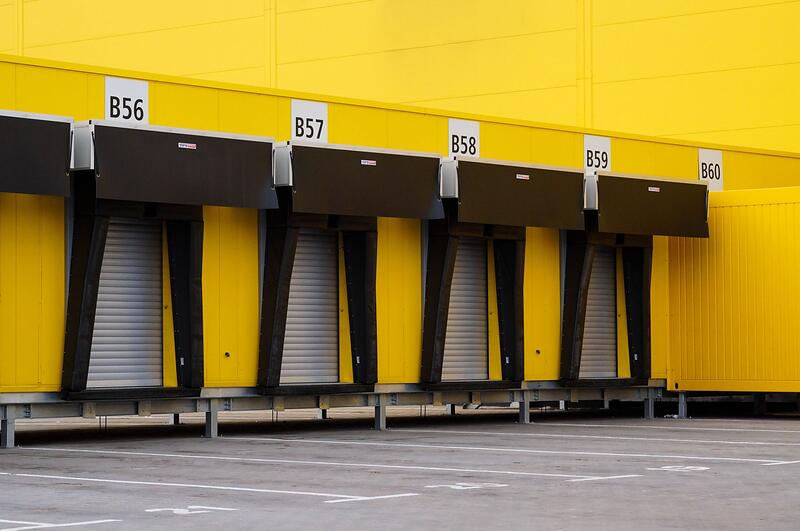
Commercial Rodent Control
Kitchens, warehouses, older Midtown and downtown buildings and multifamily, with documentation a health inspector will accept.
More on commercial rodent control →What is making the noise in your attic
Six things account for nearly every call from a metro Atlanta address. Working out which one you have before anyone climbs a ladder changes the trapping, the permits and the price.
-
Roof rats
The attic animal here. UF/IFAS describes the species as arboreal: it travels branches, wires and trunks and ranges about 150 yards from its den, which is why a limb touching the roof matters so much under Atlanta canopy. Droppings a quarter to half an inch long with pointed ends are the identifying sign.
-
Norway rats
Heavier, ground-bound and a burrower. On an intown house it shows up under the floor rather than over the ceiling: in the open pier crawl space, at the foundation gaps, along the band joist. Commercial dumpster pads and loading areas hold them too.
-
House mice
Kitchens, garages, pantry cabinets and wall voids. UF/IFAS puts the opening a mouse needs at a quarter of an inch, which is why a garage door sweep and a gap behind a dishwasher line count as doors.
-
Southern flying squirrels
Nocturnal, colonial and constantly mistaken for rats in North Georgia attics. The sound is lighter, more of a scurry and a roll, sometimes with chattering. They are protected, so a contractor needs a Georgia DNR nuisance wildlife control permit before trapping one for hire.
-
Gray squirrels
Daytime footfalls, heaviest around first light and again before dark. The entry points overlap with the roof rat almost exactly, so one sealed roofline solves both, but the legal position and the trapping differ.
-
Something that died in a wall
A heavy sweet odor that builds over several days points to a carcass, and it usually follows a poison-only plan. The EPA notes that common anticoagulant rodenticides kill four days to two weeks after feeding starts, and the animal dies wherever it happens to be.
An Atlanta rodent job runs on two levels at once
The roofline and the crawl space are separate problems on the same house, and a quote that covers only one of them is half a job. Above, the roof return is the opening every contractor in this metro names first: the builder's gap where the soffit runs into the roof deck at the eave, open on many gable and hip roofs whatever the decade. Gable vents with perished screening, fascia gaps and the penetrations around a chimney or a bath fan finish the list. Atlanta's canopy is what makes those openings reachable, since a limb over a roof is a bridge and UF/IFAS describes the roof rat as an animal that travels branches and wires by preference.
Below, the intown housing stock does the same job for Norway rats and mice. Pre-1940 bungalows and Victorians in Grant Park, Kirkwood, Inman Park, Cabbagetown and Virginia-Highland sit on open, vented pier-and-brick crawl spaces over red clay, usually with no vapor barrier, often with band joist rot and gaps between the piers. Post-war ranches in Decatur and East Point add partial basements, and the 1960s to 1990s stock further out adds full basements and taller attics with ridge vents. The inspection walks both levels because the animals do.
Seasonally, the calls climb with the first real cold snaps from October into December, when rats and flying squirrels move from the canopy into the attic, and there is a second rise in early spring. Roof rats breed through the year in a climate this mild, so there is no dormant season to wait out.
Why homeowners call this number
Three things separate a job that ends from a job that runs for months. Each of them is a decision made before the first trap goes in.
The sealing decides whether it ends
Exclusion is the spine of the job rather than an upsell added at the end. Openings with no traffic get closed first, the animals still inside get trapped, and the last runs are sealed once the activity stops. Homeowners on the pest forums describe trapping without sealing as harvesting rodents, and they are right: the house stays open, so the next one walks in.
A quarter inch is the rat-proofing standard, per UF/IFAS.
Every number is on its own line
Trapping, sealing, cleanup, insulation and any follow-up visits are quoted separately, so a single bundled figure never has to be judged on faith. Nobody in this market publishes a price, and the bands on these pages are the Angi Atlanta and HomeGuide national figures, printed so that a quote can be measured against something.
Angi puts Atlanta rat removal at $442 to $1,138, averaging about $786.
Licensed for the animal you have
Rodent control for hire in Georgia falls under Category 29 of the Structural Pest Control Act, which the Georgia Department of Agriculture administers through a company license and a designated certified operator. A flying squirrel is a different matter and needs a DNR permit as well. Contractors are routed by what the job requires.
Company licenses are searchable on the Georgia Department of Agriculture lookup.
Book the free inspection
Describe what you hear and where you hear it, and the line gets the right contractor moving. Tell us the time of night the noise starts, how long it has been going on and anything you have found, because that narrows the species before anyone drives out and decides who is sent. The visit that follows walks the roofline from a ladder, the attic, the crawl space or basement and the yard, and it produces a photographed list of every opening with an itemized written quote against it. There is nothing to pay for any of that and nothing to sign at the end of it. Calling is faster than typing: (404) 924-6653, answered at any hour of the day or night, with site visits booked from seven in the morning until seven at night, seven days a week.
The figures behind the advice here
Four published numbers that decide how an Atlanta rodent job is priced and sequenced. Each one names where it came from.
- 1/4 in The opening a mouse gets through, and the rat-proofing standard UF/IFAS Extension
- $442 to $1,138 Typical Atlanta rat removal, averaging about $786 Angi Atlanta cost page
- 4 days to 2 weeks How long an anticoagulant bait takes to kill after feeding starts US EPA
- 2 days to 2 months A handful of animals against a severe infestation HomeGuide 2026
The situation: A caller in a 1920s bungalow east of downtown hears running across the ceiling of the back bedroom after eleven at night, four nights running, and finds a spill of dark droppings on a shelf in the hall closet where the attic hatch is.
What gets done: The inspection puts a ladder at the eave first and finds the roof return open on the rear corner where the soffit dies into the roof deck, plus a gable vent with its screen rusted through. A sweetgum limb lies across the roof above the return. The attic shows a run along one joist and disturbed insulation over the back bedroom. The quote separates trapping, sealing those two openings and the fascia gap, and clearing the soiled insulation in that bay.
How it turns out: The openings with no traffic are closed, traps go in along the run and stay a week because roof rats avoid new objects, and the last opening is sealed once nothing has moved for several nights. The limb is cut back from the roof. The back bedroom is quiet, which is the part the caller wanted.
Mice, squirrels, or something else
How the signs differ between the two.
Video: Signs of Mice vs. Squirrels In Your Attic, from Skedaddle Humane Wildlife Control.
How an Atlanta rodent job runs
Five stages, in this order, on a house and on a commercial building alike.
-
Tell the line what you hear
Where the noise is, what time it happens, how long it has gone on and what you have found. That narrows the species before anyone drives out.
-
The free inspection
Roofline from a ladder, then the attic, then the crawl space or basement, then the exterior and the trees. Every opening is recorded and photographed, and the quote is written from that list.
-
Close what is not in use
Galvanized hardware cloth, sheet metal and proper vent screens go over the openings with no current traffic, so nothing gets shut inside the house.
-
Trap the animals still in
Snap traps set in the active runs and left in place for at least a week, because roof rats are wary of anything new. Checked and reset until the runs go quiet.
-
Seal the last runs and clean up
The remaining openings are closed once activity stops, and the attic or crawl space is cleared and re-insulated where the damage calls for it.
What to expect
Five things happen on nearly every visit, in roughly this order, so nothing on the day is a surprise.
- A ladder at the eave before anyone opens the attic hatch
- Photographs of each opening rather than a verbal summary
- A written quote with trapping, sealing and cleanup priced apart
- Traps left in place for at least a week, then checked
- A walk of the yard for limbs, ivy and ground cover against the wall
Which service the call turns into
Most jobs use two or three of these together. Every figure below names its source, and the free inspection is what turns a band into a quote.
-
Roof rat removal
Trapping in the active runs, sequenced with sealing at the roofline. Angi puts Atlanta rat removal between $442 and $1,138. Roof rat removal.
-
Rodent exclusion
Closing the roofline and the foundation to a quarter inch in galvanized steel. HomeGuide puts full-home sealing at $500 to $2,500 nationally. Rodent exclusion.
-
Rodent inspection
This one carries no charge. Angi puts a standalone Atlanta inspection at $210 to $420, and homeowners on the forums describe paying around $75 just to receive a bid. Rodent inspection.
-
Crawl space rodent control
Vent screens, band joist repair and the access door on an open pier crawl space, with trapping at floor level. Crawl space rodent control.
-
Attic cleanup
Droppings, nesting and soiled insulation removed under respiratory protection. HomeGuide puts cleanup and decontamination at $600 to $2,500, and up to $4,000 where it is severe. Attic cleanup.
-
Insulation replacement
Removal and refill. HomeGuide puts it at $2.50 to $5.50 per square foot, and the Department of Energy is clear that compressed insulation stops delivering its rated R-value. Insulation replacement.
-
Dead rodent removal
Locating a carcass in a wall or under a floor, removing it through an access cut and closing the opening. HomeGuide puts it at $150 to $500 nationally. Dead rodent removal.
-
Rodent clearance letters
The letter a lender, a buyer or a City of Atlanta demolition permit asks for, dated no more than 30 days before permit issuance in the demolition case. Rodent clearance letters.
Where contractors are dispatched
Atlanta itself and the towns around it, from the intown bungalow districts to the north metro subdivisions and the south metro ranches. Each page below is written for that place.
Questions callers ask first
Six answers on timing, price, method and who is licensed to do this work in Georgia.
Call (404) 924-6653How long does it usually take to get rid of rats?
Between a few days and a couple of months, and the spread depends on how many animals are in and how open the house is. The 2026 HomeGuide guide gives two to three days for a handful of animals and one to two months where the infestation is severe. Roof rats are wary of anything new, so traps are left in place for at least a week even when the count is low. The sealing is what gives the timeline an end: without it there is no point at which the job is finished.
Is it safe to seal the openings before the trapping is done?
Only the openings with no current traffic, which is exactly how the sequence is built. Closing an active run with animals still inside leaves them in the wall, the attic or the crawl space, and that turns a rodent job into an odor job. The runs in use stay open until the trapping stops producing, then they are closed last. Anyone proposing to seal the whole house on day one has skipped a step.
What is the cheapest way to get rid of rats in Atlanta?
Closing the openings, which costs more on the first invoice and less over five years. Bait alone is the cheapest thing to buy and the most expensive outcome to live with: the EPA notes anticoagulants kill four days to two weeks after feeding begins, and UF/IFAS points out that trapping greatly reduces the risk of a poisoned animal dying inside the building. A house that is still open in March is a house that is occupied again by November.
What does a rodent job cost here?
Angi puts rat removal in Atlanta between $442 and $1,138, averaging about $786, and that figure covers the trapping rather than the whole job. Nationally HomeGuide puts full-home sealing at $500 to $2,500, attic cleanup at $600 to $2,500, and insulation removal and replacement at $2.50 to $5.50 per square foot. Those are typical-job bands. The free inspection produces the actual quote, with each stage on its own line.
Who is licensed to do rodent work in Georgia?
A company holding a Georgia Department of Agriculture structural pest control license in Category 29, Household Pest Control, with a designated certified operator for that category. Rodent control is also among the services the state requires be performed under a written contract. Squirrels sit under different rules: gray, fox and southern flying squirrels are protected, so trapping one for hire needs a Georgia DNR nuisance wildlife control permit as well. Ask whoever attends for both, and check the company on the Department of Agriculture lookup.
Is there a warranty on the sealing?
Ask the contractor who attends, and ask three things: what the warranty covers, how long it runs, and whether it renews. Terms in this market vary from a one to three year renewable agreement to a lifetime term on the exclusion work, and the difference matters more than the headline. Get the answer in writing on the quote rather than in conversation, since the written contract is a requirement of the license anyway.