Rodent Services in Atlanta
Ten services that run in sequence on a single job. The free inspection decides which ones your house needs and the quote prices each of them separately.
- Inspection first, always free
- Each stage priced apart
- Category 29 licensed contractors
The order the work runs in, and why it matters
Sealing comes before or alongside trapping on every job, and reversing that is the single most criticized practice among people who have been through this. The sequence runs: list every opening, close the ones with no traffic, trap the animals still inside, close the last runs once the activity stops, then deal with whatever they left in the insulation.
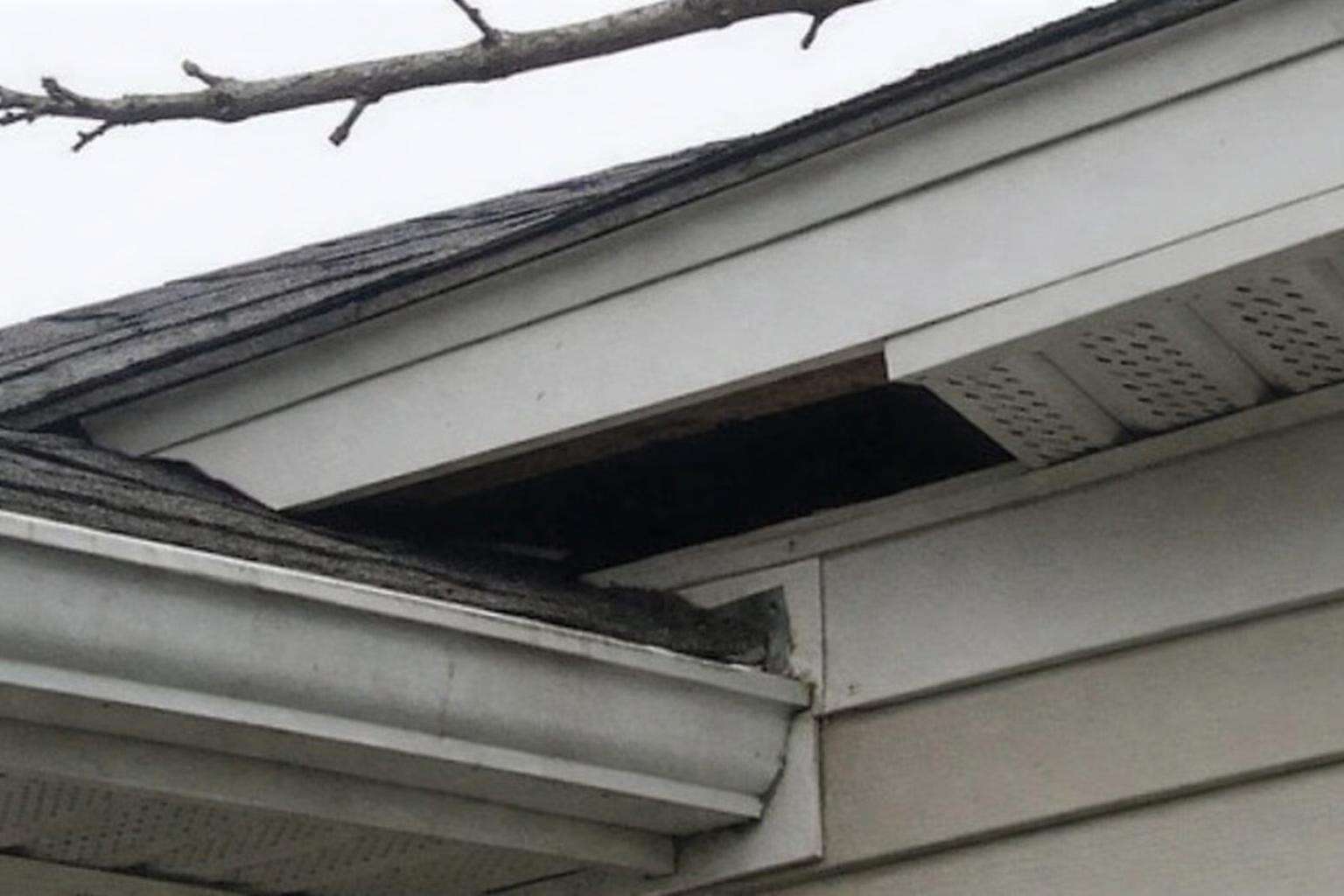
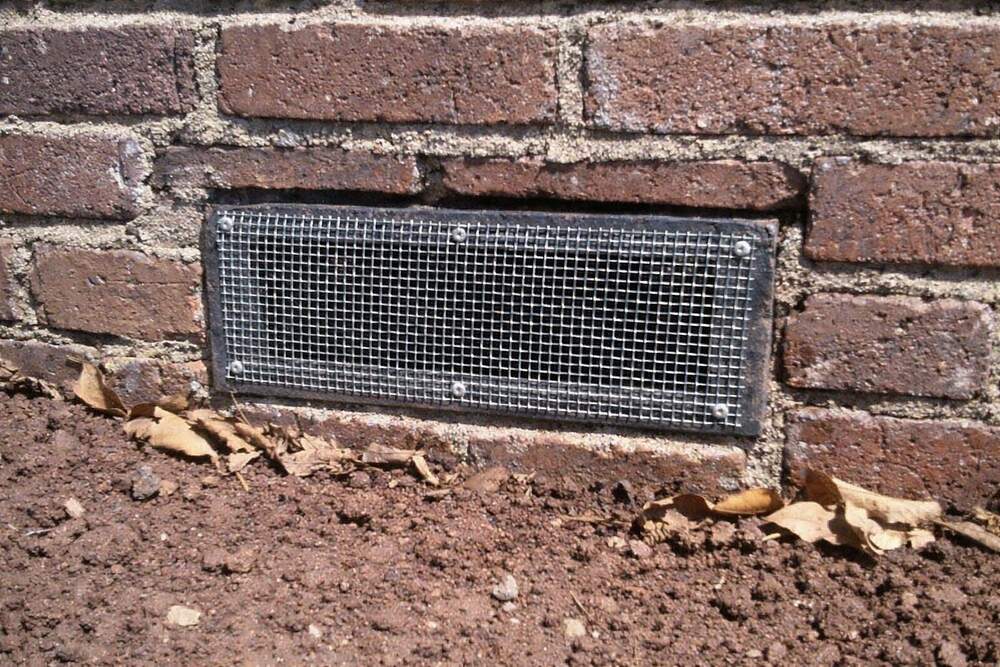
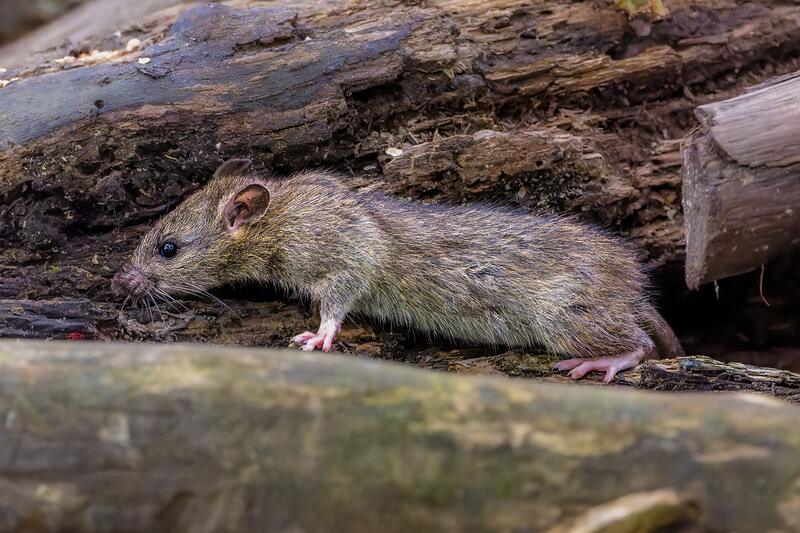
On an Atlanta property that means two passes. Overhead it is the roof return where soffit meets roof deck, the gable vents, the fascia gaps and the penetrations for bath fans and chimneys, closed with galvanized hardware cloth and sheet metal rather than a bead of foam. At ground level it is the crawl space vents, the gaps between brick piers, a rotted band joist and the access door, which is where Norway rats and mice work on the older intown stock.
The about page covers who attends and which licenses to confirm. The contact page has the hours, the address and the service area.
The ten services
Trapping, sealing, restoration and paperwork. Follow any one for what it covers on an Atlanta house, what drives the price and what it costs elsewhere in the country.
Roof Rat Removal
Trapping in the runs the animals are using, sequenced with sealing at the roof returns and gable vents where they got in.
More on roof rat removal →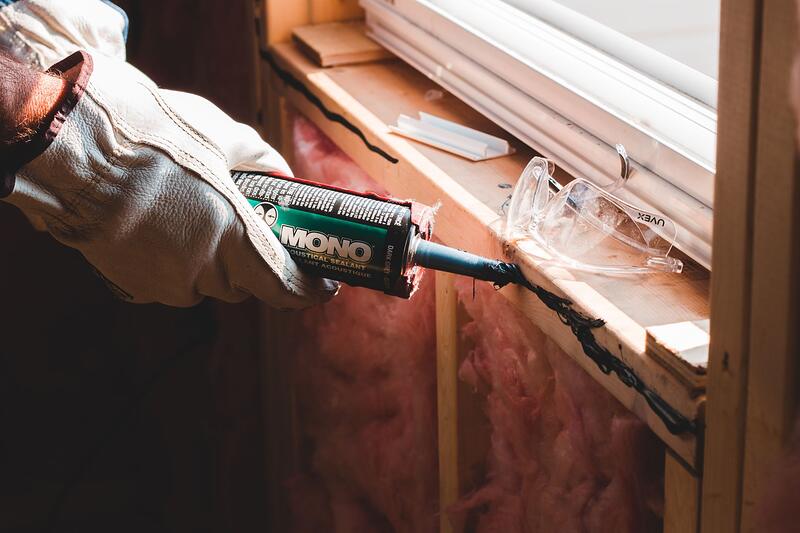
Rodent Exclusion
Closing every opening down to a quarter inch, at the roofline and at the crawl space, in galvanized steel rather than foam.
More on rodent exclusion →
Rodent Inspection
A free walk of the roofline, attic, crawl space and yard, photographed, with an itemized written quote from it.
More on rodent inspection →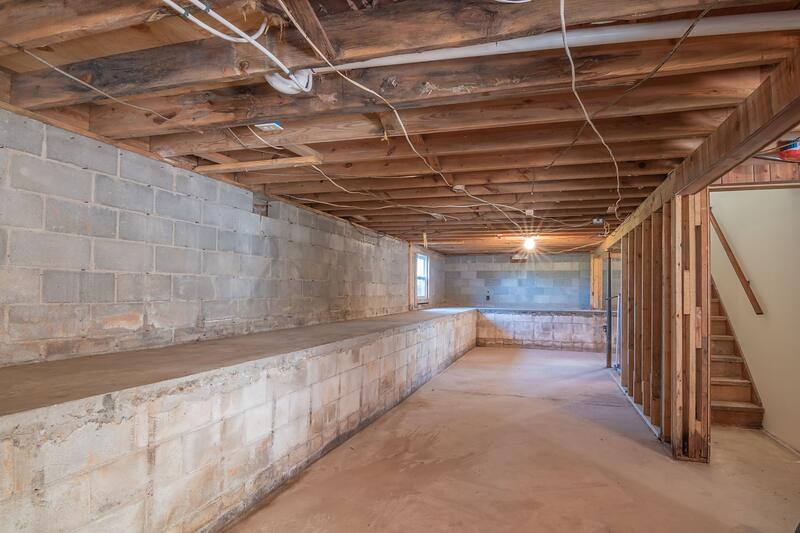
Crawl Space Rodent Control
Norway rats and mice at floor level on an open pier crawl space: vent screens, band joist repair, access door, trapping.
More on crawl space rodent control →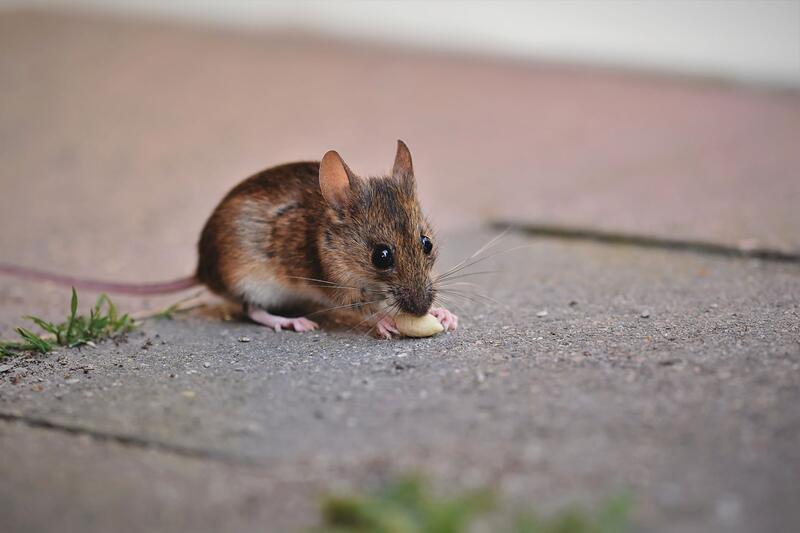
Mouse Removal
House mice in kitchens, garages and wall voids, closed out at the entry points and trapped in the voids they run.
More on mouse removal →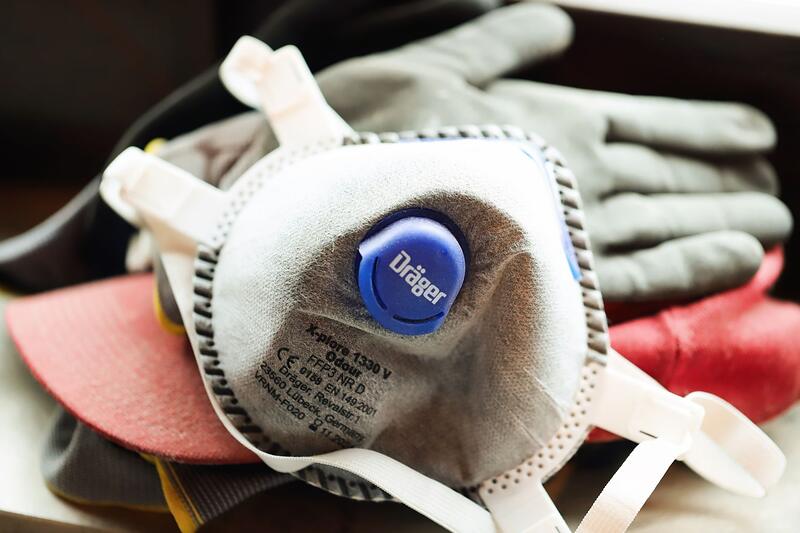
Attic Cleanup
Droppings, nesting and soiled insulation removed under respiratory protection, then the deck cleaned and treated.
More on attic cleanup →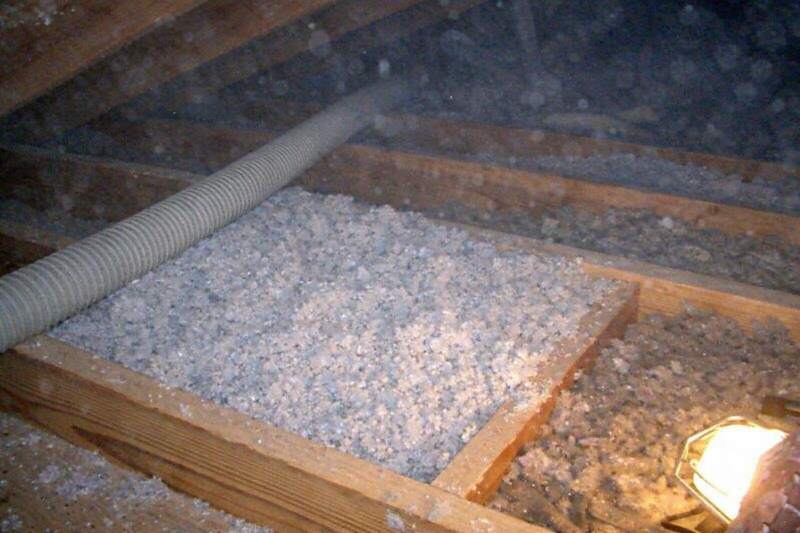
Attic Insulation Replacement
Contaminated or compressed insulation taken out and replaced to the depth the attic is supposed to carry.
More on attic insulation replacement →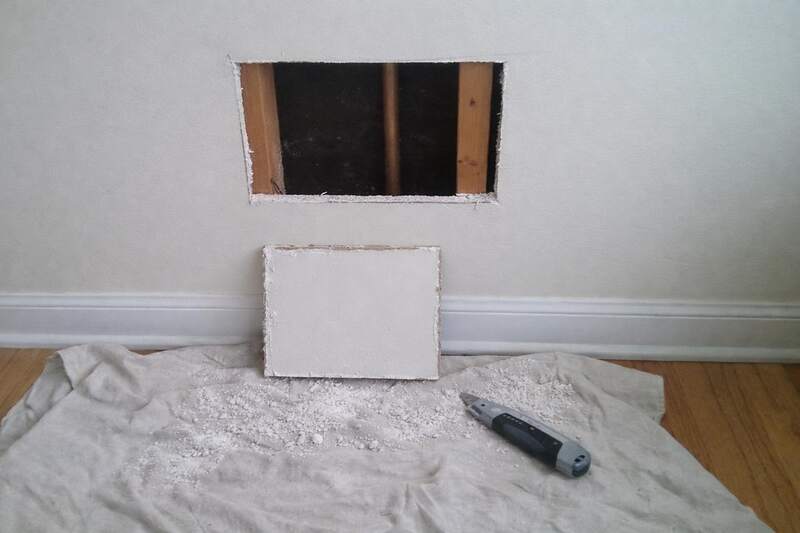
Dead Rodent Removal
Finding the carcass behind drywall or under a floor, taking it out through a small access cut, then closing the way in.
More on dead rodent removal →
Rodent Clearance Letters
The written letter a lender, a buyer or a City of Atlanta demolition permit asks for, and the work that has to happen first.
More on rodent clearance letters →
Commercial Rodent Control
Kitchens, warehouses, older Midtown and downtown buildings and multifamily, with documentation a health inspector will accept.
More on commercial rodent control →Why mice keep coming back
A look at the openings that make it repeat.
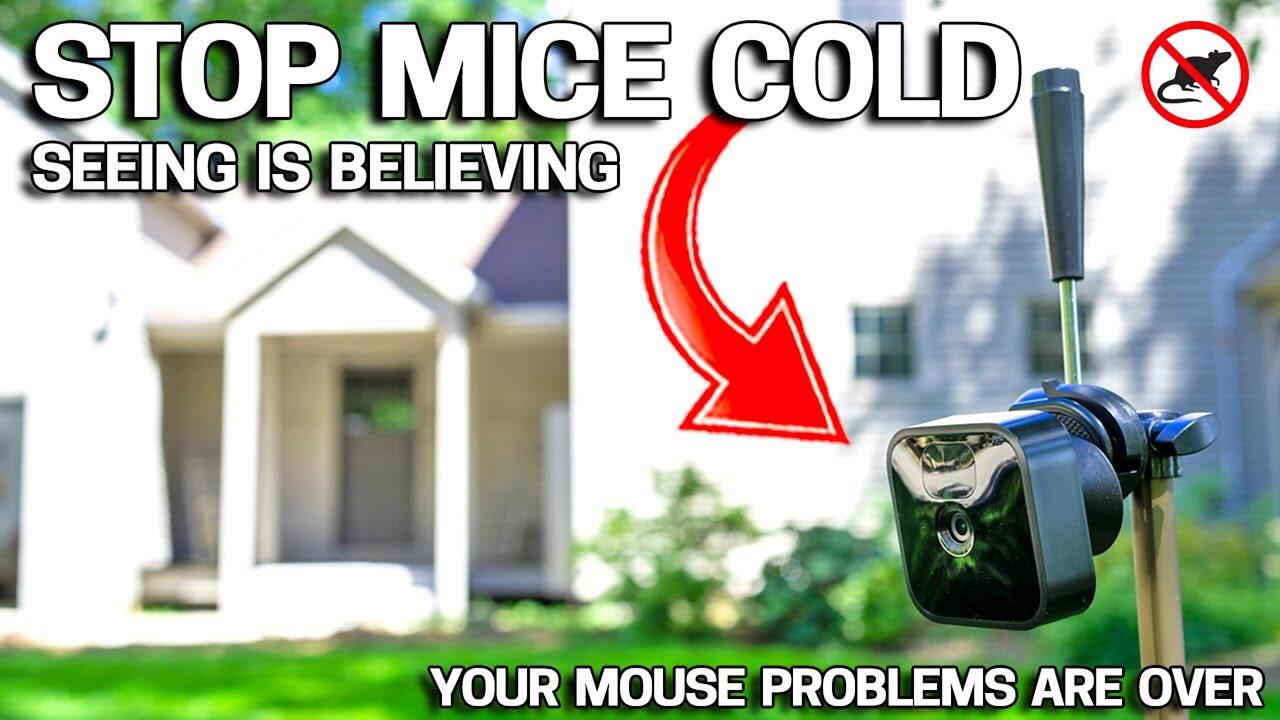
Video: EASY WAY to Get Rid of Mice in Your House FOREVER, from Silver Cymbal.
What holds these ten services together
One rule runs through the whole list and decides the order the work happens in.
Nothing is sold before it is explained
Sealing is where the sticker shock lives, because a homeowner expecting a trapping bill gets a quote that includes metal work at the roofline and the foundation. Every opening is photographed on the inspection and listed on the quote, so the sealing line has a reason attached to it rather than a number. That is also why the openings are counted before anyone gives a figure.
HomeGuide puts full-home exclusion at $500 to $2,500 nationally.
The order is fixed, the scope is not
Find, close what is quiet, trap what is inside, close the rest, then restore. A house that needs only the first four stages does not get quoted for the fifth, and an attic with clean insulation is left alone. Scope comes out of the inspection rather than a package.
HomeGuide 2026: a few days for a handful of animals, up to a couple of months when it is heavy.
Georgia rules decide who attends
A rodent job goes to a company holding a Category 29 household pest control license under the Georgia Department of Agriculture with a designated certified operator, and the state requires the service be done under a written contract. Anything involving a flying squirrel goes instead to a contractor who also holds a DNR nuisance wildlife control permit.
Both credentials are checkable before work starts.
Questions about scope
Four answers on how the services divide up and what a quote should show.
Call (404) 924-6653Do I really need the chewed openings repaired now, or can I get away with trapping?
Trapping alone empties the house and leaves the doors open, so it buys months rather than a solution. The openings are how the animals arrived, and roof rats range about 150 yards from a den according to UF/IFAS, which means the supply of replacements in a canopied Atlanta neighborhood is not going to run out. If money has to be staged, close the roofline first and leave the cosmetic repairs, since the roofline is the route into the attic.
Can I have just the cleanup without the trapping?
Only when the activity has stopped, and the inspection is what establishes that. Clearing soiled insulation while animals are still living above the ceiling means doing it twice. Where the attic is clear, cleanup and insulation replacement can be quoted on their own, and that is a common request after a job that somebody else finished badly.
What should an itemized quote show?
Separate lines for trapping, for sealing, for cleanup, for insulation and for any follow-up visits, with the number of visits stated rather than implied. Homeowners on the pest forums describe quotes for similar-sounding work ranging from under two thousand dollars to tens of thousands, and the only way to compare two of them is line by line. A monthly monitoring plan bundled into a removal price is worth questioning before signing.
How many follow-up visits come with the job?
Ask, and get the number written on the quote. Traps are set and then checked and reset until the runs stop producing, which on a small job may be one return visit and on a heavy one several across a few weeks. The visit that matters most is the last one, where the remaining openings get closed, so confirm that closing visit is included rather than quoted later.