Rodent Removal in Kennesaw, GA
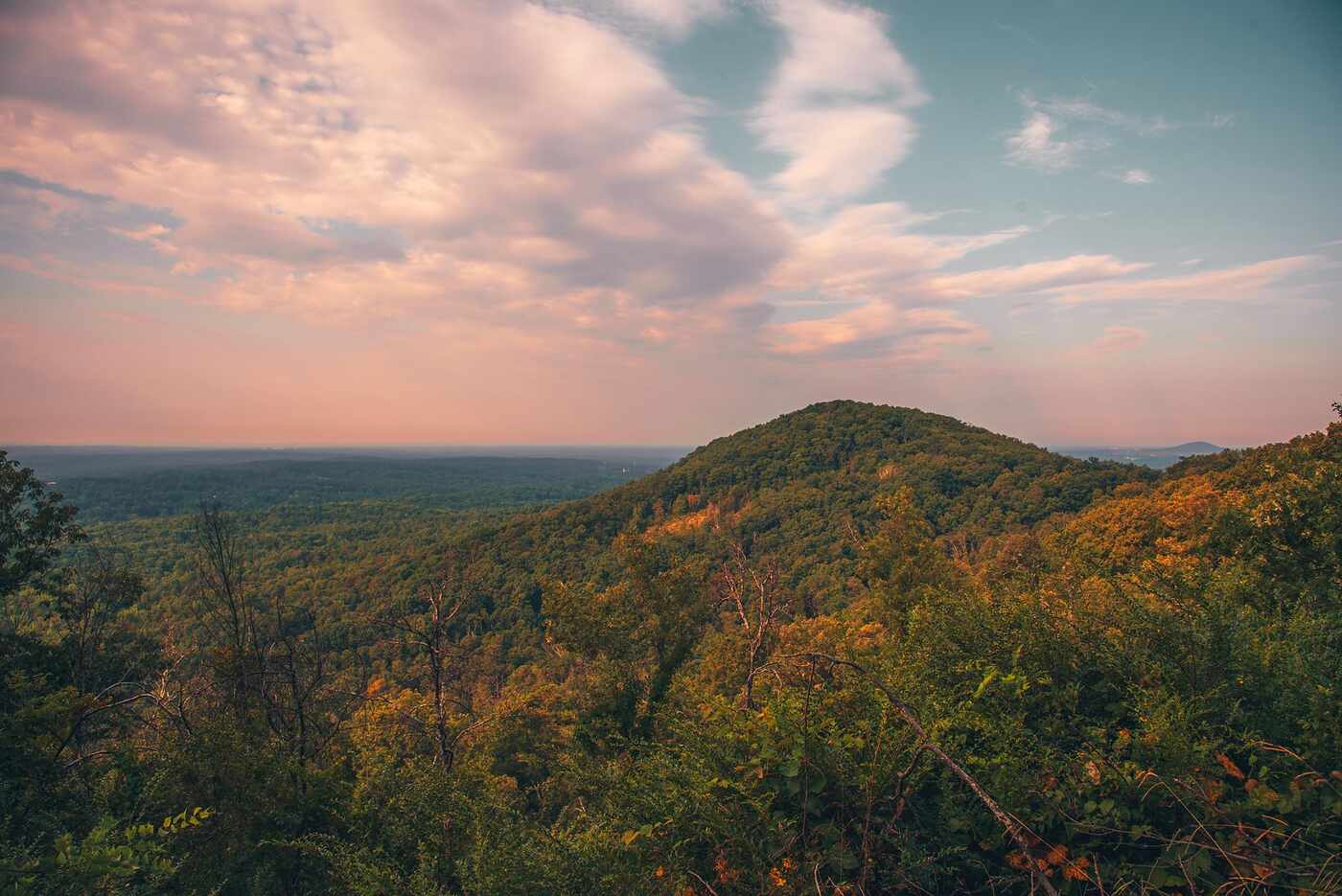
Kennesaw is mostly subdivision housing built from the 1980s onward on wooded Cobb County ground, next to a large protected park. The trees that made those lots attractive now reach the rooflines.
- 1980s to 2000s subdivisions
- Wooded ground and parkland edge
- Cobb County, northwest metro
Free Inspection in Kennesaw
The free inspection puts a ladder at every eave corner first, then covers the attic, the basement band joist and penetrations, the interior signs and the yard, with each opening photographed and listed. Kennesaw sits in northwest Cobb County about twenty-five miles from downtown Atlanta up I-75, next to a large wooded national park, and contractors cover the city and the surrounding area.
The phone is answered at every hour of the day and night, and site visits are booked from seven in the morning until seven at night, seven days a week. The inspection costs nothing and the quote is written from what it finds. Call, or use the form on the contact page.
Living against a large wooded park
A protected mountain park of several thousand acres sits at the edge of the city, and a good many neighborhoods back onto woodland either belonging to it or left between developments. That is worth describing accurately rather than dramatically.
Large wooded areas support a range of wildlife and provide continuous cover and travel. What decides whether any of it reaches your building is the last few feet: ivy on the walls, ground cover and leaf litter against the foundation, wood piles along a rear fence, bird feeders, compost, and limbs touching the roof. Those matter identically whether the woodland beyond the fence is a national park or a neighbor's back garden.
The boundary work worth doing
Five jobs along the edge of a lot are free and worth doing before any sealing is priced.
- Clear a visible strip along the foundation line and keep it clear
- Move wood piles off the ground and away from the building
- Keep bird feeders well away from the house, or take them down during a problem
- Cut limbs back from the roof plane, which is the highest-value free action
- Keep bins lidded and off the wall where the layout allows
Each of those changes the picture before any money is spent on sealing.
What the subdivision housing gives up
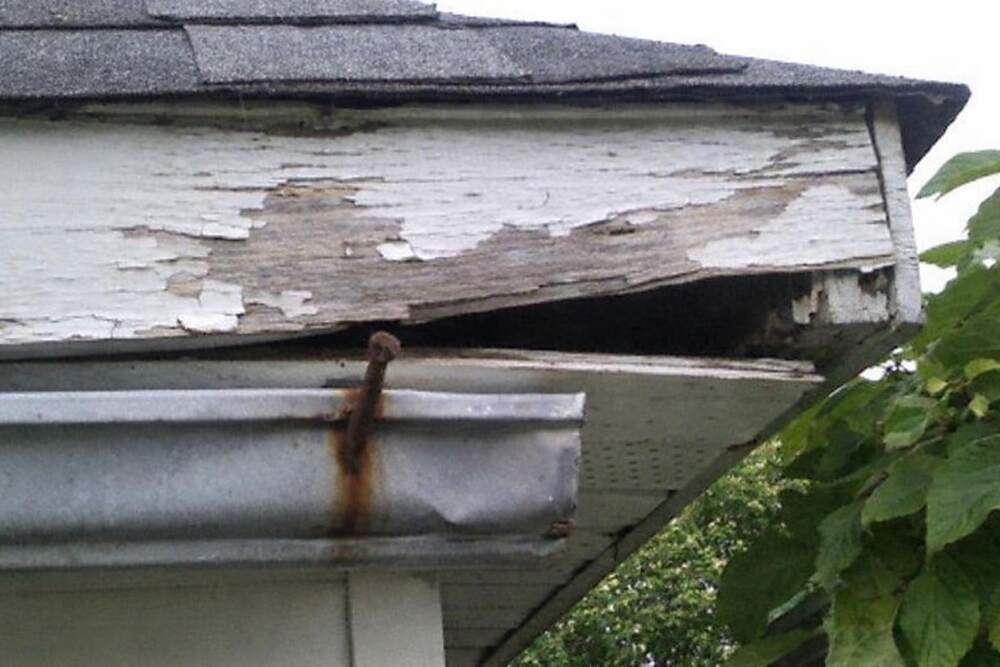
Roof edge, mostly. Kennesaw's housing is largely two-story subdivision construction from the 1980s through the 2000s on full basements, and the full basement removes nearly all of the ground-level openings that an older house carries.
What it adds is a large, cut-up roof. Projecting gables, a garage wing, a covered entry, bay roofs and roof-to-wall ties multiply the junctions where a soffit meets a roof deck, and a house of this era commonly carries ten or more. At two stories they are further from the ground and less likely to have been inspected by anybody.
Bonus rooms over garages are the other local detail. They usually have their own attic space with a separate hatch, and a contractor who inspects the main attic and stops has not been in the space the noise is coming from. Ask specifically which attic areas were entered.
Canopy that has grown in since the houses went up
Subdivisions built through Cobb County woodland thirty or forty years ago kept many of their trees, and those trees are now well above the rooflines. That is the change that makes an old neighborhood start producing attic calls.
UF/IFAS describes the roof rat as arboreal: it travels along branches, wires and trunks by preference and ranges about 150 yards from its den. A continuous canopy across a subdivision brings many roofs inside that range without the animal ever touching open ground, and the first cold snaps between October and December are when the pressure to move indoors peaks.
Overhead utility lines count as routes too and cannot be dealt with, which is the practical argument for closing every eave junction rather than only the ones under a visible limb.
What We Handle in Kennesaw
These are the services Kennesaw houses need most, each on its own quote line.
- Rodent exclusion: ten or more eave corners on a two-story plan, closed in galvanized steel
- Roof rat removal: attic trapping now the subdivision canopy has closed over the roofs
- Rodent inspection: free, and the only way to count openings on a roof this size
- Attic cleanup: large attic volumes and separate bonus room spaces
- Attic insulation replacement: flattened blown fill along runs, priced by measured area
- Mouse removal: garage sweeps, dryer vents and basement penetrations
A Typical Kennesaw Job
The situation: A caller in a 1996 two-story backing onto woodland hears running above a bedroom ceiling in early November, the first time in eighteen years. A bird feeder hangs from a dogwood about six feet from the rear wall.
What gets done: The inspection counts eleven eave corners, finds two roof returns open on the rear elevation and a ridge vent end lifted at one gable. The attic shows a run above the bedroom with blown fill flattened along it. The rear boundary has a wood pile stacked against the fence and the feeder is directly beside the wall. The quote covers three closures and a trapping program, with the feeder and the wood pile listed as free actions for the homeowner.
How it turns out: The feeder comes down and the wood pile is moved the same day, the ridge vent end and one return are closed immediately, and traps in the attic run produce for five nights. The last return is closed after a quiet week and the flattened fill along the run is replaced to a stated depth.
What This Costs in Kennesaw
The sealing line carries most of the cost on this stock because the roof is large and high. For the trapping, Angi's Atlanta figures are $442 to $1,138 against an average of roughly $786, and HomeGuide's 2026 national guide puts full-home exclusion at $500 to $2,500.
| Line item | Atlanta (Angi) | National (HomeGuide 2026) | Here |
|---|---|---|---|
| Inspection | $210 to $420 standalone | $0 to $175 | Free |
| Trapping and removal | $442 to $1,138, average about $786 | $250 to $1,200 | Quoted from the inspection |
| Exclusion sealing | No Atlanta figure published | $500 to $2,500 | Quoted from the inspection |
| Insulation removal and replacement | No Atlanta figure published | $2.50 to $5.50 per square foot | Quoted from the inspection |
Each figure is a typical-job band from a published source, confirmed at the free inspection. A two-story with a garage wing and ten or more eave corners sits in the upper half of the sealing band, and a separate bonus room attic adds a little for the extra access. The full basement keeps the ground-level portion short, which pulls the total back.
The route in from the sewer line
How a rat travels a drain into a house.
Video: How do rats get out of the sewers and into your home?, from BEEKIND Pest Control.
We back onto the park. Is that why we have rodents?
Less directly than it feels. Large wooded areas provide cover and travel, and so does a neighbor's overgrown garden, so the thing that decides whether an animal reaches your building is the last few feet against it. Ivy on the walls, ground cover at the foundation, a wood pile on the fence, a bird feeder near the house and limbs touching the roof are the variables you control, and all of them are free to change.
Do bird feeders really matter?
They are a reliable draw, particularly close to a wall. Spilled seed under a feeder is a steady food supply at ground level, and once a population is established near the building it starts exploring upward. Moving a feeder well away from the house, or taking it down for the duration of a problem, is one of the cheapest actions available and one of the few that makes a visible difference within days.
The noise is over the bonus room. Is that the main attic?
Usually not. A bonus room above a garage normally has its own attic space with a separate hatch, cut off from the main attic by framing, and it is a common place for an occupancy to sit unnoticed. A contractor who inspects the main attic and stops has not been in the space producing the noise. On a house with multiple attic areas, ask which ones were entered and expect each reported separately.
Who is licensed to do rodent work here?
Whoever attends must work for a company licensed by the Georgia Department of Agriculture in Category 29, Household Pest Control, with a designated certified operator named for it, and rodent services have to run under a written contract. Gray and southern flying squirrels are protected and need a Department of Natural Resources nuisance wildlife control permit, with the animals released on site or humanely euthanized rather than relocated. Rats and mice are exempt. Ask for the license number and check it on the state lookup.
Nearby Areas We Serve
The same contractors cover the towns around Kennesaw, and the service area runs across Cobb County and the rest of metro Atlanta.