Rodent Removal in East Point, GA
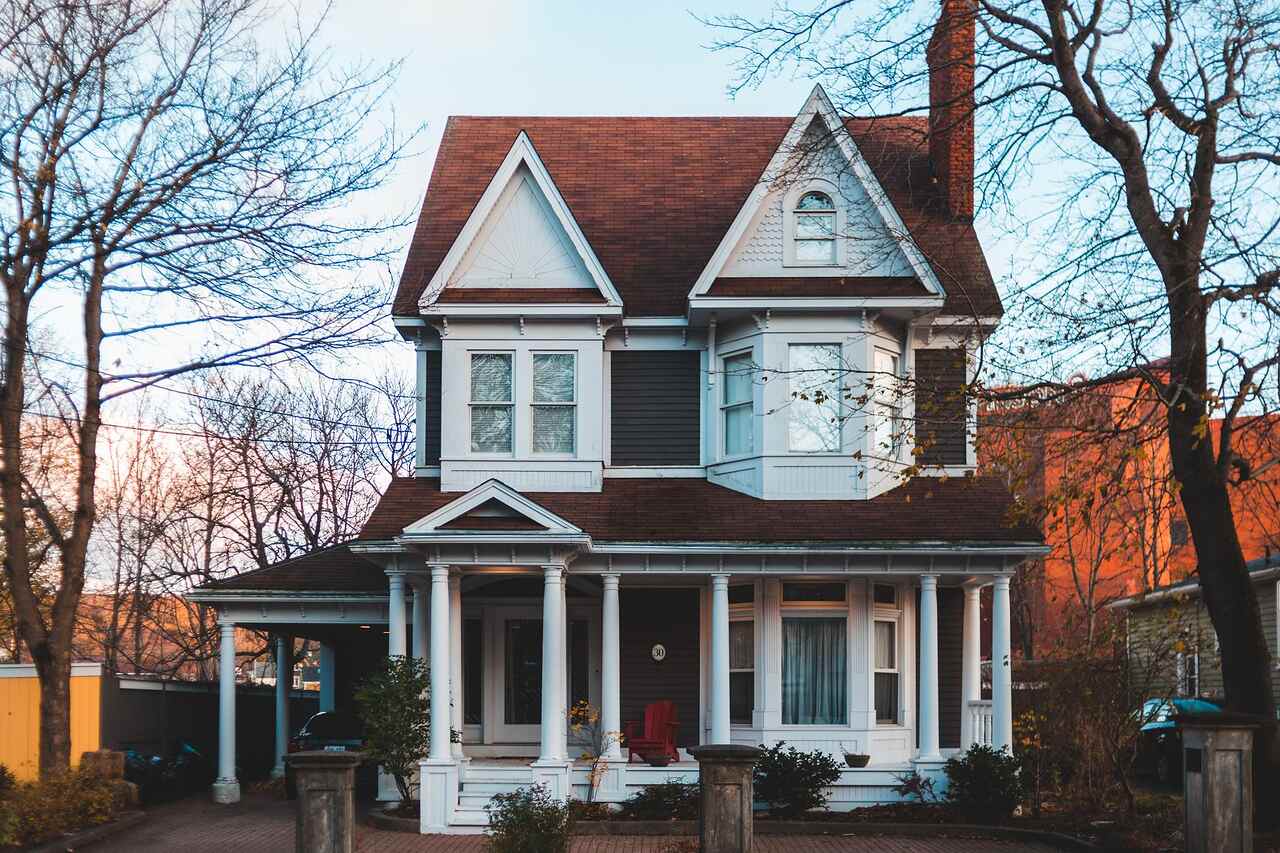
East Point has blocks of pre-war bungalows on open brick piers, which is the hardest foundation type in the metro to keep closed, alongside post-war ranches and an older commercial center.
- Pre-war bungalows on piers
- Post-war ranches
- South Fulton, near the rail line
Free Inspection in East Point
The free inspection covers the roofline from a ladder, the attic, the crawl space, the interior signs and the yard, and on this housing stock the crawl space is where most of the time goes. Every opening is photographed and listed. East Point sits in south Fulton County about seven miles southwest of downtown Atlanta, on the MARTA red and gold lines and beside the rail corridor, and contractors cover the city and the areas around it.
The line is answered at any hour of the day or night, and site visits run from seven in the morning until seven at night, seven days a week. The visit costs nothing and nothing is quoted before it. Call, or use the form on the contact page.
Pre-war bungalows on open brick piers
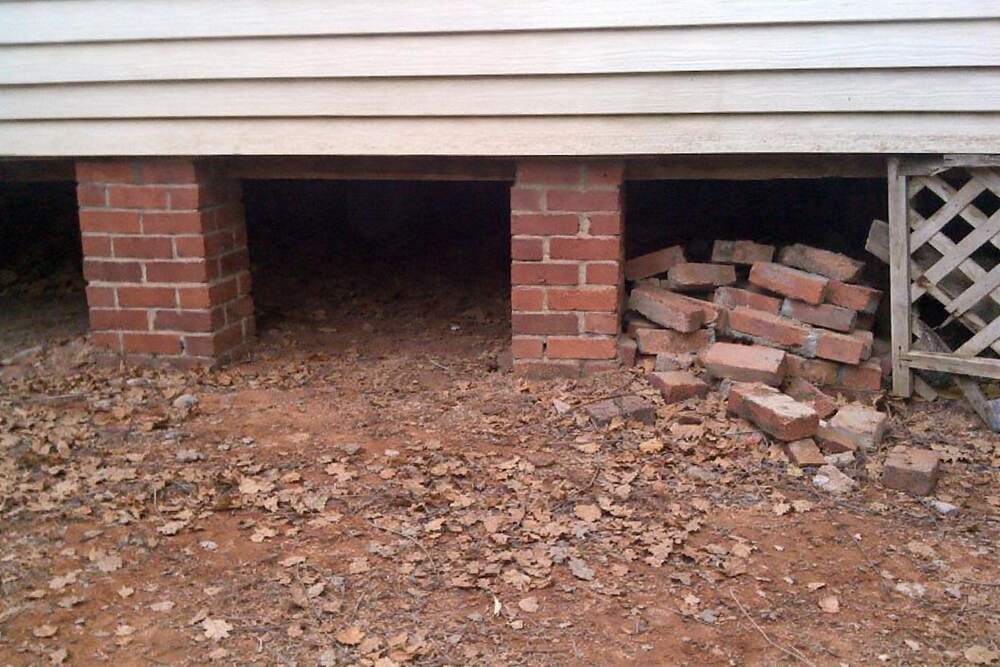
Whole blocks here were built in the 1920s to 1940s as bungalows raised on brick piers with infill between them, and that foundation type is the defining local condition. A hundred years of settling and damp has generally taken the mortar between piers, dropped at least one infill panel on most houses, and softened the band joist where it sits closest to the ground.
There is usually no vapor barrier over the clay, which keeps the space damp year-round and continues the process. The crawl space is where Norway rats and house mice work, and from there they travel wall voids upward through plumbing chases into kitchens and bathrooms.
What gets closed under a bungalow here
Six closures cover the perimeter of a pier-foundation bungalow.
- Foundation vents, screened in galvanized mesh behind the original louvers
- Failed infill panels between piers, closed in masonry or fastened metal
- Band joist sections that have gone soft, cut out and replaced before anything is fastened
- The access door, rehung in a frame with a latch rather than propped
- The space under a front porch, which is frequently open behind sound-looking lattice
- Utility penetrations where water, gas, electrical and dryer lines pass the wall
Post-war ranches and recent infill
The later residential streets carry post-war ranches on crawl spaces or partial basements, plus a steady amount of newer infill construction on cleared lots. Those are simpler buildings with shorter lists.
A ranch gives up its openings at the foundation vents, a carport or garage wall, a worn door sweep and the eave corners along a wide low roofline. A newer infill house gives them up at the garage sweep, a late utility penetration, a dryer vent and the roof return, which is a framing detail rather than an age-related fault.
Infill construction also produces the displacement pattern seen across the metro: when a structure is cleared, whatever was living in it moves into the settled houses nearby. The City of Atlanta requires a rodent clearance letter for a demolition permit, dated no more than 30 days before permit issuance, for exactly that reason, and East Point sets its own permitting, so local requirements are worth confirming with the city.
The older center and the rail corridor
The commercial center and the buildings along the rail corridor are a different job from housing. Older commercial stock with connected basements, shared walls and service yards behaves as a site rather than as a tenancy, and the work starts outside at the waste area.
A rail corridor carries continuous activity and a lot of cover, so the honest aim for a business on that edge is a closed building and a managed waste area rather than an empty neighborhood. Dock and delivery doors that no longer seal at the bottom corners, propped personnel doors and a shared dumpster area do more to sustain a population than anything inside the building.
Documentation matters here too. Georgia requires rodent control services be performed under a written contract, and a landlord or a health inspector reads the file before looking at a device. That work is covered under commercial rodent control.
What We Handle in East Point
These are the services East Point properties call for most, each priced on its own line.
- Crawl space rodent control: pier foundations, failed infill, band joists and access doors
- Rodent exclusion: the full foundation perimeter and the roofline closed in galvanized steel
- Mouse removal: wall voids fed from the crawl space, and garage sweeps
- Roof rat removal: attic trapping where limbs reach a bungalow or ranch roof
- Rodent inspection: free, with somebody physically under the house
- Commercial rodent control: the older center and buildings on the corridor
A Typical East Point Job
The situation: A caller in a 1937 bungalow finds droppings behind the kitchen kickboard and hears movement under the floor in the evenings. A previous company set bait stations outside twice and nothing changed.
What gets done: The inspection goes under the house and finds five foundation vents with the screening gone, an infill panel collapsed into the clay between two piers, and a soft band joist section under the kitchen where a dryer vent passes through the wall. The porch space is open behind the lattice and connects to the main crawl space. The quote covers the band joist carpentry, the vent screening, the pier bay, the porch closure, the dryer vent penetration and trapping at floor level.
How it turns out: The timber is replaced first, then the vents, the pier bay and the porch are closed. Traps along the wall line under the kitchen produce for about ten days, and the last penetration is sealed after that. The bait stations come out, because nothing about them was ever going to close an opening.
What This Costs in East Point
An East Point bungalow carries a real crawl space line and often carpentry with it. The Angi figure for Atlanta trapping runs $442 to $1,138 and averages about $786, and HomeGuide's 2026 national guide puts full-home exclusion at $500 to $2,500.
| Line item | Atlanta (Angi) | National (HomeGuide 2026) | Here |
|---|---|---|---|
| Inspection | $210 to $420 standalone | $0 to $175 | Free |
| Trapping and removal | $442 to $1,138, average about $786 | $250 to $1,200 | Quoted from the inspection |
| Exclusion sealing | No Atlanta figure published | $500 to $2,500 | Quoted from the inspection |
| Cleanup and decontamination | No Atlanta figure published | $600 to $2,500, to $4,000 severe | Quoted from the inspection |
These are typical-job bands from published sources, confirmed at the free inspection. A pier-foundation bungalow with failed infill and soft timber sits in the upper part of the sealing band, with the carpentry priced separately on top. A post-war ranch sits in the middle, and a recent infill house with a slab or a sound crawl space sits at the bottom because there is very little to close below the floor.
Materials that keep rodents out
A comparison of what actually holds at a gap.
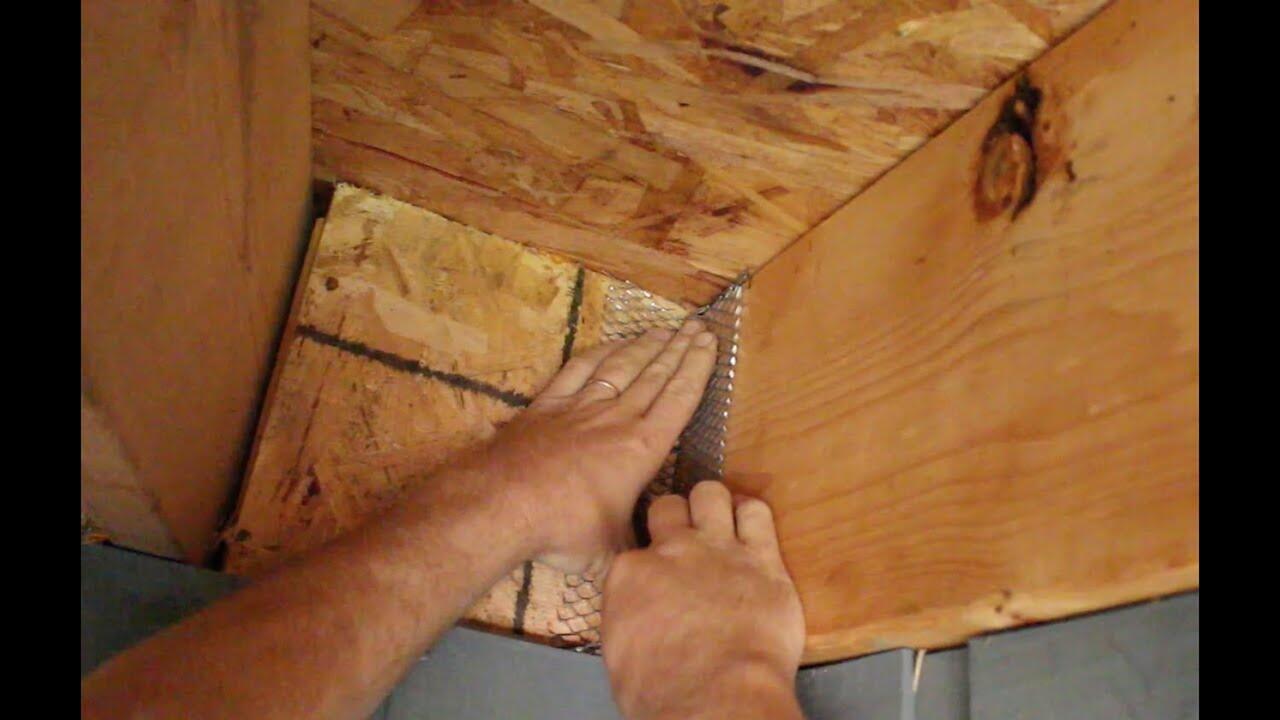
Video: How to keep mice out. Cheaper than hardware cloth, from Ontario Lakeside.
Common Questions in East Point
What callers from East Point ask before they book.
Call (404) 924-6653Bait stations were put outside twice and nothing changed. Why?
Because bait outside does nothing about an opening. The animals living under your floor keep living under your floor, and the EPA notes common anticoagulants kill four days to two weeks after feeding begins, which means any that do feed can die inside the structure. UF/IFAS states that trapping greatly reduces the risk of a poisoned rat dying inside a building. The thing that ends this is closing the perimeter and trapping what is inside it.
Does the space under my front porch need doing?
On this stock it is one of the most reliable openings. A deep bungalow porch on its own piers, closed with lattice, usually has a gap behind the panel and a connection through to the main crawl space, and it collects planting and stored items that hide both. The closure is made from behind the lattice so the porch looks unchanged, with mesh carried down and turned into the soil so nothing digs under it.
Why does the quote include replacing wood?
Because galvanized mesh fastened to soft timber is not a closure. On a pier foundation over damp clay with no vapor barrier, the band joist closest to the ground takes moisture for decades and goes soft, and that timber is both an opening in itself and something nothing can be fixed to. The rotted sections are cut out and replaced before any sealing below the floor, and it appears as its own line rather than buried in a sealing figure.
Who is licensed to do rodent work in south Fulton?
A Georgia Department of Agriculture structural pest control company license in Category 29, Household Pest Control, plus a designated certified operator for that category, is what the work requires, working under a written contract as the state rules require. The licensing is statewide rather than city by city. Gray and southern flying squirrels are protected and need a Department of Natural Resources nuisance wildlife control permit; rats and mice are exempt species. Ask for the number and check it on the state lookup.
Nearby Areas We Serve
The same contractors cover the towns around East Point, and the service area runs across Fulton County and the rest of metro Atlanta.