
Mouse Removal in Atlanta, GA
House mouse work is the same everywhere and there is no point pretending otherwise. What is local is where they get in on an Atlanta house, and that is the part worth paying attention to.
- Quarter inch is the standard
- Snap traps in the voids
- Free inspection and quote
Mouse removal does not change much for Atlanta
House mouse biology and the snap-trap-plus-sealing protocol are the same in Atlanta as they are in Ohio, and saying otherwise would be inventing local color for the sake of it. The animal is the same animal, the traps are the same traps, and the quarter-inch standard is a national figure.
What is local is the building. An intown bungalow on an open pier crawl space, a mid-century ranch on a partial basement and a 1990s house on a slab all give mice different routes in, and those routes are where the inspection spends its time. The local part of a mouse job is the list of openings rather than the method.
The other local detail is what mice get confused with. Eastern chipmunks burrow at foundations and crawl space walls here and get reported as mice at ground level, though chipmunks work in daylight and mice do not. And a juvenile roof rat is mistaken for a mouse often enough that homeowners describe two different companies disagreeing about the same animal.
Why that honesty is useful
Because it changes what you should be buying. On a mouse job the value sits in the sealing and in reading the voids correctly, and any pitch that treats a mouse as an exotic local specialty is selling something else.
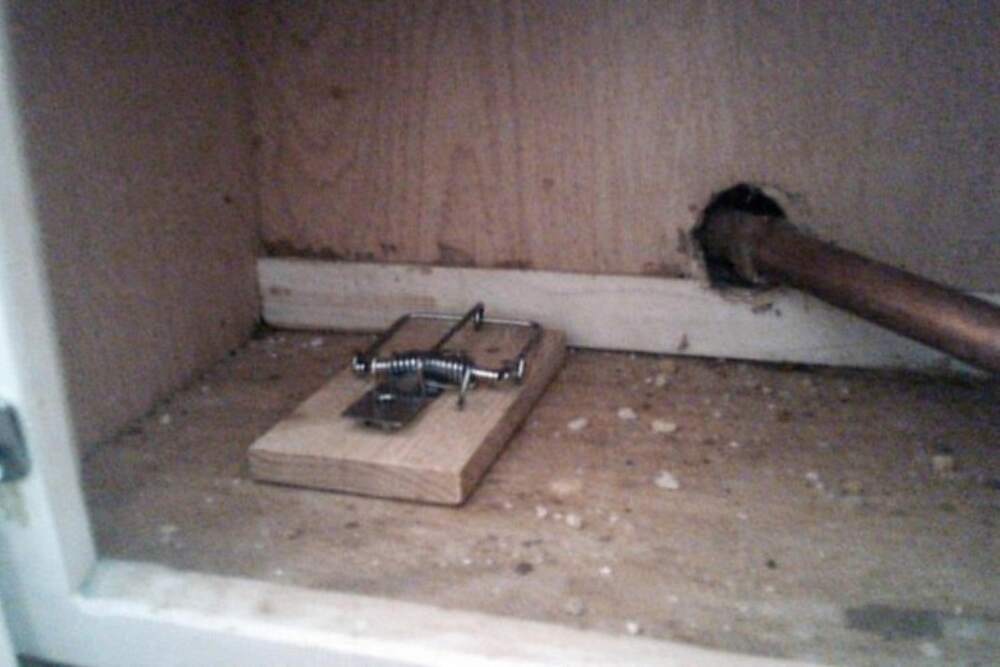
How mice get into an Atlanta house
Through a quarter-inch opening, which is the figure that makes this problem hard. UF/IFAS puts the gap a mouse needs at a quarter of an inch and a rat at half an inch, and takes the quarter inch as the rat-proofing standard because closing to it covers both animals.
A quarter of an inch is smaller than most people picture, which is why the entry point almost never looks like a hole. It looks like a gap under a door, a soft spot at the corner of a garage frame, the space where a dryer vent passes the wall, or the daylight visible at the end of a crawl space vent louver.
The usual routes on this stock
Seven entry points cover almost every mouse call in metro Atlanta housing.
- Garage door sweeps that no longer touch the slab across their full width, which is the single most common one
- Crawl space vents with perished screening, on any pre-1970 intown house
- Gaps between brick piers and failed infill panels under an older bungalow
- The penetrations where water, gas, dryer and HVAC lines pass the foundation or the exterior wall
- Thresholds and weatherstripping at a side door or a basement walkout
- Gaps behind a kitchen or bathroom cabinet where a supply line comes through the floor
- Utility chases that run from a crawl space up into a wall void
Once inside, mice travel wall voids, the space behind cabinet runs and the cavity above a dropped ceiling, which is why the noise is a scratching in one spot rather than a run across a room.
The signs of mice rather than something larger
Scale and location settle it. A mouse leaves small droppings in tight, food-adjacent places, and the noise is a scratching or a rustling in a confined spot rather than a run along a ceiling.
Only one dropping measurement in this niche has a sourced figure behind it, and it belongs to the roof rat: a quarter to half an inch long, banana shaped with pointed ends, per UF/IFAS. Any confident number quoted for house mouse droppings is folklore, so the honest comparison is that mouse droppings are visibly smaller and more numerous. Where droppings look large and pointed, the animal is a rat and the page for it is roof rat removal.
What the evidence usually looks like
Six signs make up most mouse reports, and all of them sit close to food or a wall line.
- Droppings in a drawer, at the back of a pantry shelf, under a sink or along a kickboard
- Gnaw marks on the corner of a cardboard box or a food packet rather than on structural wood
- Shredded paper, insulation or fabric gathered into a nest in a confined space
- Greasy smudging along a baseboard where a run passes the same point repeatedly
- A faint musky odor in a closed cabinet or pantry
- A pet fixed on one point of a wall or a cabinet run
The one sign that changes the job is noise overhead at night. A mouse can be in a ceiling void, but a sustained run across a bedroom ceiling in a canopied Atlanta neighborhood is more often a roof rat.
Snap traps, bait and why the choice matters indoors
Snap traps in the voids, because of where the animal dies. UF/IFAS notes that trapping greatly reduces the risk of a poisoned rodent dying inside a building, and inside a kitchen wall is the worst possible place for that to happen.
| Method | How it behaves | Where it fits |
|---|---|---|
| Snap traps in the runs | Kills at the trap, so the carcass is recovered. Placed flush against a wall in the void, perpendicular to the run, in numbers rather than singly. | The default inside an occupied house. |
| Exterior bait stations | Locked stations away from the structure. The EPA notes common anticoagulants kill four days to two weeks after feeding begins, so the animal travels before it dies. | Occasionally for exterior pressure, rarely for an indoor mouse problem. |
| Glue boards | Catches the animal alive and holds it. Some operators use them for monitoring rather than control. | A monitoring tool at best, and worth asking about before agreeing to it. |
| Loose bait indoors | Puts the carcass in a wall void near a kitchen, which is a drywall cut and an odor problem. | Nowhere. |
Mice are less cautious about new objects than roof rats, so a mouse set usually produces within the first two or three nights rather than after a week. That difference in behavior is one of the few places where the method diverges between the two animals.
How long does it usually take to get rid of mice?
Days rather than weeks in most houses. Mice accept new objects readily, so traps set today commonly produce tomorrow night, and HomeGuide puts trapping a small number of animals at two to three days.
The jobs that run longer have a structural reason. A house with an open crawl space feeding wall voids has a supply line rather than a population, and the count does not fall until that route is closed. HomeGuide puts a severe infestation at one to two months, and on a mouse job that timeline almost always means an opening nobody has closed yet.
A realistic schedule
Most roof rat jobs run to the same shape, with the trapping stage setting the length.
- Day one: inspection, entry points photographed, written quote
- Days one to three: quiet openings sealed, traps set in the voids and along the runs
- Week one: first checks, resets, and a read on whether the count is falling
- Once the sets stop producing: remaining openings closed
- Then, where warranted: cleaning the fouled areas and replacing affected insulation
Where a mouse job has been running for two months with a company already engaged, the question worth asking is which openings have been closed and to see the photographs. Trapping that never ends is nearly always trapping with the door open.
What mouse removal costs in Atlanta
A mouse job usually sits at the lower end of the rodent bands because the trapping is quicker, and the sealing is where the number moves. Angi's Atlanta figures cover rodent removal generally at $442 to $1,138 with an average around $786, and a straightforward mouse job tends to land below that midpoint.
| Line item | Atlanta (Angi) | National (HomeGuide 2026) | Here |
|---|---|---|---|
| Inspection | $210 to $420 standalone | $0 to $175 | Free |
| Trapping and removal | $442 to $1,138, averaging about $786 | $250 to $1,200 | Quoted from the inspection |
| Sealing the entry points | No Atlanta figure published | $500 to $2,500 for full-home exclusion | Quoted from the inspection |
| Cleaning the affected areas | No Atlanta figure published | $600 to $2,500 for attic cleanup and decontamination | Quoted from the inspection |
Those are typical-job bands from published sources, and a national figure is never presented as an Atlanta one. The free inspection produces the actual quote with the trapping, the sealing and any cleaning on separate lines.
Worth questioning on a mouse quote
A monthly monitoring agreement folded into a mouse removal price is the thing homeowners warn each other about most often, with one thread describing a monthly fee plus a bimonthly charge on top of the removal. Ask what the plan does that the sealing does not, and ask for it priced separately so it can be declined.
What keeps mice out once they are gone
A closed envelope and a kitchen that offers nothing. The sealing is the permanent part and the housekeeping is the maintenance, and neither works well without the other.
The sealing side
Five closures are the permanent half of keeping mice out.
- A garage door sweep that touches the slab across its full width, checked yearly
- Galvanized screening behind every crawl space and foundation vent louver
- Every utility penetration packed and sealed where it passes the wall
- Weatherstripping and thresholds that close fully at every exterior door
- Gaps behind cabinets where supply lines come up through the floor, closed from below
The housekeeping side
- Dry goods in sealed containers rather than in original packaging
- Pet food stored the same way, since a bag in a garage is a common draw
- Bird seed kept off the floor of a garage or shed
- Ground cover, ivy and wood piles cleared back from the foundation line
- Bins with lids that close, away from the wall where practical
Autumn is when this matters most. The first cold snaps between October and December push rodents toward shelter across the metro, so a check of the garage sweep and the foundation vents in September is worth more than the same check in February.
Services that usually go with this one
A mouse job is short, and these are the two pages it usually touches.
- Rodent Exclusion: Closing every opening down to a quarter inch, at the roofline and at the crawl space, in galvanized steel rather than foam.
- Crawl Space Rodent Control: Norway rats and mice at floor level on an open pier crawl space: vent screens, band joist repair, access door, trapping.
- Rodent Inspection: A free walk of the roofline, attic, crawl space and yard, photographed, with an itemized written quote from it.
How the pieces fit together is covered on the about page, and the contact page has the hours and the address.
How a house mouse problem is worked
The four stages, in order.
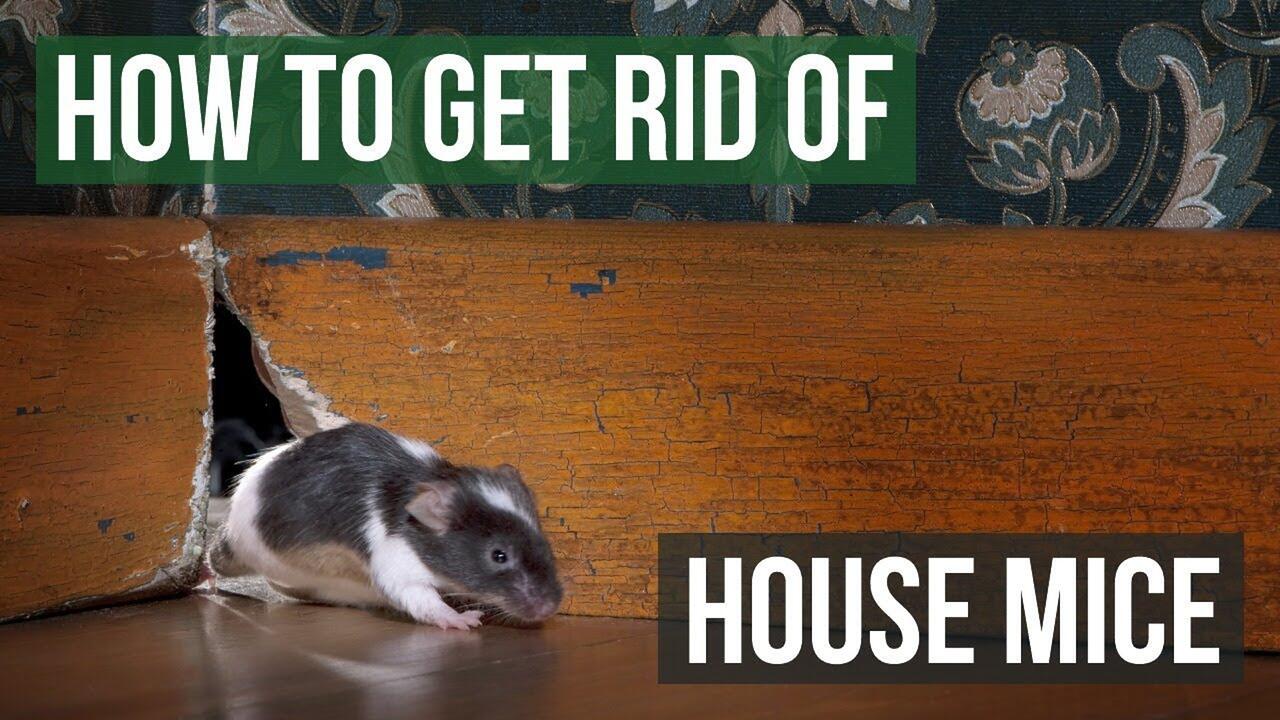
Video: How to Get Rid of House Mice, from Solutions Pest & Lawn.
How a mouse job runs
Four stages, and on a typical house the whole thing is measured in days.
-
Describe where and when
Which room, which cabinet, what time and how long. That separates mice from a juvenile rat and from a chipmunk at the foundation.
-
Free inspection
The interior voids and the exterior envelope, with every quarter-inch opening photographed: garage sweep, vents, penetrations, thresholds and cabinet gaps.
-
Seal and set
Openings with no current traffic closed in metal, then snap traps placed flush against the wall in the voids and along the runs, in numbers rather than singly.
-
Check, close and clean
Traps checked and reset until they stop producing, the last openings closed, and fouled areas cleaned where the inspection called for it.

What to expect
Five things that happen on a mouse visit in any part of the metro.
- The garage door sweep checked across its full width
- Traps set in the voids rather than in the open kitchen
- Each entry point photographed and listed on the quote
- Any monitoring plan priced separately so it can be declined
- A first check inside the first few days rather than the following month
Why a small job still needs doing properly
The quarter inch is the whole problem
A mouse needs a quarter-inch gap, which is why the entry point is almost never a hole anybody would notice. The inspection works to that measurement at the garage sweep, the vent louvers, the thresholds and every utility penetration, because closing to the tighter figure is what makes the trapping the last trapping rather than the first of several.
UF/IFAS puts the mouse threshold at a quarter inch and the rat at half an inch.
Traps go where the animal runs
Mice run walls and voids rather than crossing open floor, so a trap in the middle of a kitchen is decoration. Sets go flush against the wall inside the void, perpendicular to the run, in numbers. Mice accept new objects far more readily than roof rats do, so a correctly placed set usually produces within the first few nights and a set that produces nothing means the placement is wrong.
HomeGuide puts a small trapping job at two to three days.
A plan is not a substitute for a closure
Monthly monitoring bundled into a mouse removal price is the complaint that comes up most in homeowner threads, in one case a monthly fee with a bimonthly charge alongside it. Any ongoing plan is quoted on its own line here so it can be read and declined, and the sealing is what the job is selling.
Georgia requires rodent control services be performed under a written contract.
What Reddit Says About Mouse Removal in Atlanta
Mice generate a different kind of thread from rats. The fear is lower and the frustration is higher, because the problem seems small and then does not end. The dominant story is somebody who set traps, caught several, felt the problem was solved, and found droppings again six weeks later. The replies always land in the same place: catching mice is easy and keeping them out is the job.
The advice on method is unusually settled. Snap traps against the wall, in numbers, in the voids rather than in the open. People warn each other off loose bait indoors specifically because of what happens when the animal dies in a kitchen wall, and the line about poison sending rodents outside to die is treated as a known myth rather than an open question.
Monitoring contracts draw the sharpest reactions. Threads describe monthly agreements attached to a mouse removal price, in one case a monthly fee plus a bimonthly charge, and the consensus is that an ongoing fee attached to a problem that should be closed out permanently is a business model rather than a treatment. The recommended response is to ask for the plan priced separately and to ask what it does that the sealing does not.
The last recurring theme is that nobody wants to be told this is minor. People describe finding droppings in a drawer of clean cutlery, or in a child's room, and being told it is just a mouse. The register is closer to feeling that the house has been intruded on than to a pest problem, and the useful response is a photographed list of openings and a date when the last one gets closed.
A common mouse call from a metro Atlanta home
The situation: A caller finds droppings in the back of a pantry and again behind the dishwasher, and has been catching one mouse every few days for a month with traps from a hardware store. The house is a 1960s ranch with an attached garage and a partial basement.
What gets done: The inspection finds the garage door sweep worn through at both ends, a dryer vent penetration with a finger-wide gap around the duct, and daylight at the corner of two foundation vents. Inside, the run is behind the cabinet line from a gap where the sink supply comes through the floor. The quote covers closing all four exterior openings, sealing the cabinet penetration from below, and a trapping set in the voids.
How it turns out: The exterior openings are closed first since none shows current traffic, traps go into the cabinet void and along the wall line, and they produce for four nights and then stop. The floor penetration is sealed last. The pantry stays clean through the following autumn, which is the first time the caller has not restocked traps in September.
Mouse questions Atlanta callers ask
Five answers on identification, method, cost and why the trapping keeps restarting.
Call (404) 924-6653How do I tell a mouse from a young rat?
Look at the proportions rather than the size, since a juvenile rat and an adult mouse overlap. A mouse has a head and feet that look small for its body; a young rat has noticeably large feet and a thick tail for its frame. Location helps as much as anatomy: mice concentrate in kitchens, pantries, garages and wall voids, while rats run ceilings and crawl spaces. Homeowners describe two exterminators disagreeing about exactly this, so it is a reasonable thing to ask an inspector to justify.
Why do I keep catching mice week after week?
Because the house is still open somewhere, and the trapping is removing animals from a supply rather than from a closed population. A correctly placed set on a closed house produces for a few nights and then stops. One that produces steadily for weeks is telling you there is a route in that nobody has found. That is the point at which the useful spend moves from traps to an inspection that counts openings.
Are glue boards or ultrasonic devices worth it?
Glue boards catch an animal alive and hold it, and most operators use them for monitoring rather than control, so ask what a company intends them for before agreeing. Ultrasonic repellers have no place in a job that is supposed to end: a device that discourages an animal does nothing about a quarter-inch opening, and the opening is the actual problem. Money spent on a sweep, a vent screen and a sealed penetration does more.
What does mouse removal cost in Atlanta?
Angi's Atlanta rodent removal band is $442 to $1,138 with an average around $786, and a straightforward mouse job usually falls below that midpoint because the trapping is quick. The number moves with the sealing: HomeGuide puts full-home exclusion at $500 to $2,500 nationally, and a house with a worn garage sweep and two open vents costs far less to close than one with an open pier crawl space. The free inspection produces the itemized figure.
Do I need to clean up after them?
Where droppings are confined to a drawer or a shelf, ordinary household cleaning with gloves handles it. Where there is nesting in insulation or droppings spread across a crawl space or attic, the CDC recommends respiratory protection and wetting the material down before disturbing it, and warns against sweeping or vacuuming dry droppings. That level of contamination is quoted as its own line and is covered on attic cleanup.