Rodent Removal in Sandy Springs, GA
Sandy Springs is built on hills, and a house that steps down a slope has a foundation that changes height around it. That step, and the wooded lots above the river, are where the local work concentrates.
- Hillside lots and stepped foundations
- Split levels and 1960s ranches
- Fulton County above the perimeter
Free Inspection in Sandy Springs
The free inspection covers the roofline from a ladder, the attic, the basement or crawl space, the interior signs and the yard, and on a hillside lot it pays particular attention to where the foundation changes level. Sandy Springs sits in Fulton County just north of the perimeter, between Roswell Road and the Chattahoochee, roughly twelve miles from downtown Atlanta.
The line is answered at every hour of the day and night, and site visits run from seven in the morning until seven at night, seven days a week. Nothing is charged for the visit and the quote is written from what the inspection finds. Book one by calling or through the contact page.
What a hillside lot does to a foundation
It puts the ground at different heights around the same building. A house that steps down a slope has a basement wall exposed at the rear and buried at the front, or a garage at the lower level and a crawl space at the upper, and the framing changes where those meet.
Those transitions are the openings that matter here. Where a poured basement wall meets a block or pier section, where a lower-level garage ties into upper-level living space, and where the grade rises against a wall until the band joist is close to the soil, an animal has a route that a level-lot house does not offer.
The specific things worth checking on a stepped house
Six conditions occur where a foundation follows a slope, and each is an opening in its own right.
- The junction where two foundation systems meet, inside and outside
- The band joist on the uphill elevation, where the grade is highest
- Retaining walls close to the building and the gap behind them
- Lower-level door thresholds on the downhill side
- Window wells on a partly buried wall, which collect leaf litter
- Drainage discharge points and the openings around them
The uphill band joist is the one that is easiest to miss and most likely to be soft, because the grade keeps moisture against it year after year.
Wooded lots above the river
The lots toward the Chattahoochee are steep and heavily wooded, and the tree cover is old. That is the roof rat route: UF/IFAS describes the species as arboreal, traveling branches, wires and trunks by preference and ranging about 150 yards from its den.
On a hillside the geometry works against you in a specific way. A tree growing downhill of a house can put a limb level with an upper roof plane from a trunk that stands well below the building, so a limb over the roof is not necessarily attached to a tree that looks tall from the driveway. The inspection walks the lot rather than assessing the trees from the front door.
Steep, wooded ground close to a house is also harborage in itself, especially where ivy, ground cover and leaf litter run right up against the foundation. Clearing a visible strip along the building line is free and it changes the picture before any money is spent.
The housing stock across the city
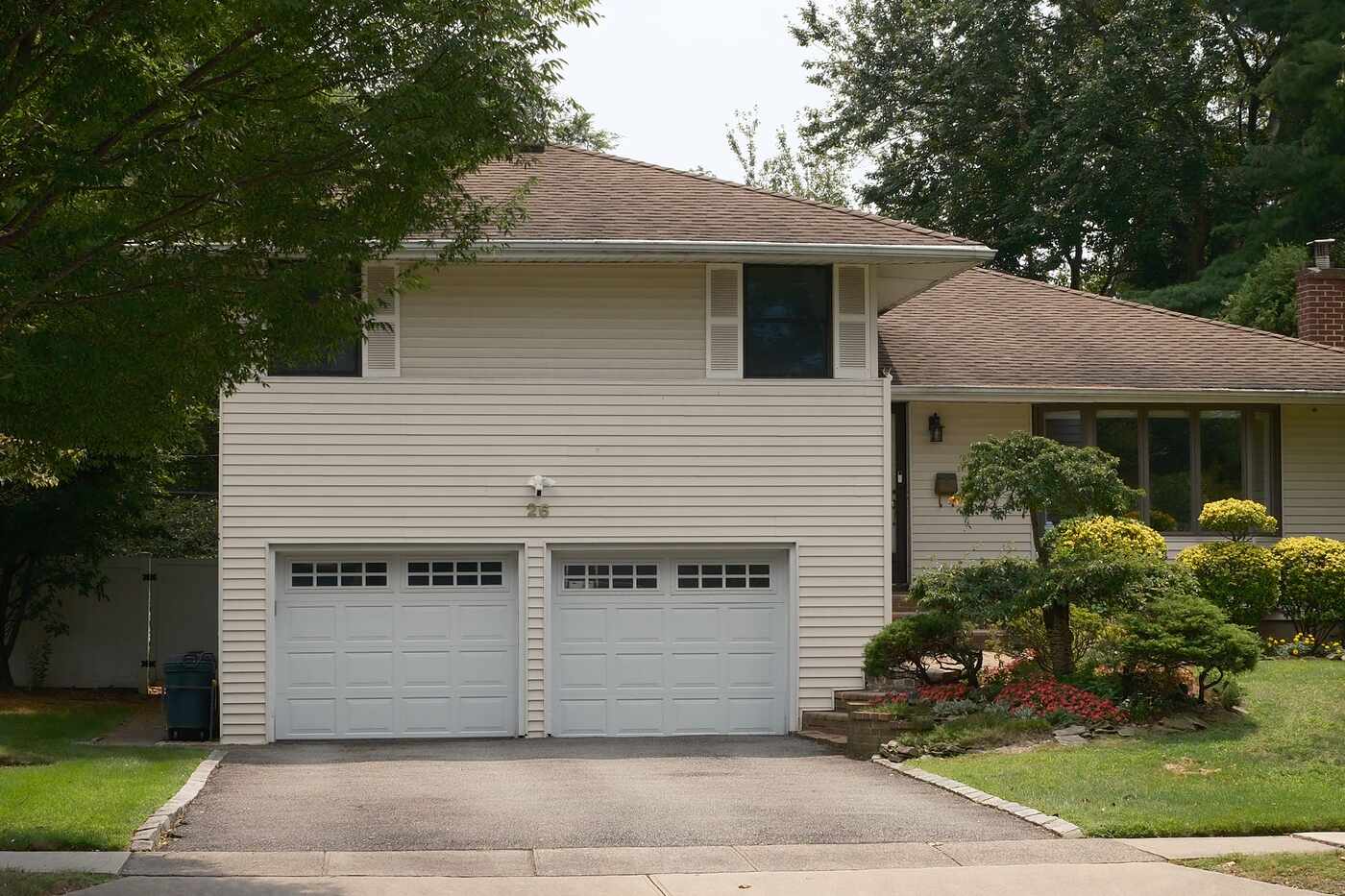
Sandy Springs runs mostly from the 1950s through the 1980s, with ranches, split levels and two-story houses on lots that were cut into the slope rather than leveled. More recent construction has added larger houses on the same terrain and a good deal of multifamily along the main corridors.
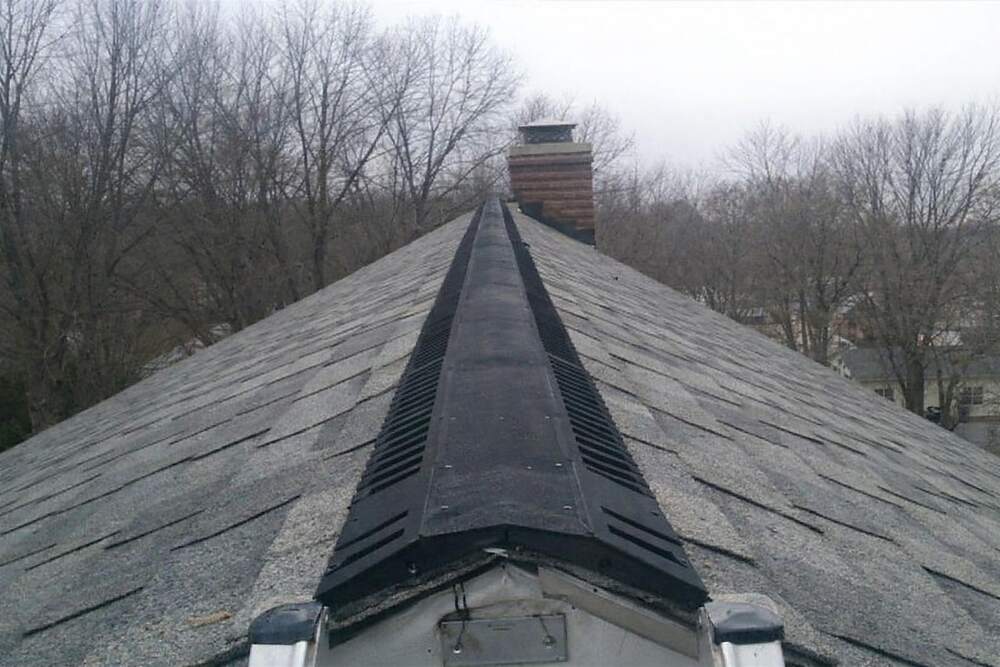
The mid-century stock behaves as it does elsewhere in the north metro: long low rooflines with more eave corners than the footprint suggests, ridge and gable venting, and a foundation that is part basement and part crawl space. The newer houses are tighter below and more complicated above, with cut-up roof plans that multiply the roof return junctions.
Multifamily buildings along the corridors are a different job again, closer to commercial work, where a route running through shared wall voids and risers means treating the building rather than the unit that called. That is covered under commercial rodent control.
What We Handle in Sandy Springs
These are the services Sandy Springs properties call for most, each priced on its own line.
- Rodent exclusion: roofline closures plus the foundation step a hillside house creates
- Roof rat removal: attic trapping on wooded lots where limbs reach upper roof planes
- Crawl space rodent control: the crawl space half of a part-basement house, and uphill band joists
- Rodent inspection: free, and the only way to map a foundation that changes height
- Attic cleanup: long ranch attics and large newer attic volumes
- Commercial rodent control: multifamily and offices along the main corridors
A Typical Sandy Springs Job
The situation: A caller in a 1968 split level cut into a slope hears noise in the ceiling of the lower-level den, which sits under the upper-level bedrooms rather than under the roof. Two contractors have quoted for attic work and neither addressed it.
What gets done: The inspection finds the animals are not in the attic at all. The route runs in at the uphill band joist, where the grade has been packed against the wall and the wood has gone soft, then along the floor cavity between the two levels. Above, the roofline has one open return at the garage corner but no traffic. The quote covers cutting out and replacing the soft band joist section, closing the wall opening in galvanized steel, sealing two drainage penetrations, and trapping in the floor cavity.
How it turns out: The carpentry is done first, the closures follow, and traps in the floor cavity produce for about a week. The grade is cut back from the wall to keep soil off the new wood. The den ceiling goes quiet, and the attic, which two quotes had focused on, turns out never to have been the problem.
What This Costs in Sandy Springs
A Sandy Springs quote depends on whether the work is at roof level, at the foundation step, or both. The Angi Atlanta band for trapping is $442 to $1,138 and the average lands near $786, and HomeGuide's 2026 national guide puts full-home exclusion at $500 to $2,500.
| Line item | Atlanta (Angi) | National (HomeGuide 2026) | Here |
|---|---|---|---|
| Inspection | $210 to $420 standalone | $0 to $175 | Free |
| Trapping and removal | $442 to $1,138, average about $786 | $250 to $1,200 | Quoted from the inspection |
| Exclusion sealing | No Atlanta figure published | $500 to $2,500 | Quoted from the inspection |
| Full-scope restoration where it goes that far | No Atlanta figure published | $3,000 to $10,000 and up | Quoted from the inspection |
Every figure is a typical-job band from a published source, confirmed at the free inspection. What pushes a Sandy Springs house up is band joist carpentry on an uphill elevation, difficult ladder positions on a steep lot, and a cut-up roof plan with many eave corners. What keeps it down is a full basement with sound penetrations and a simple roof.
Keeping rodents out once they are gone
Three approaches, and why sealing is the one that lasts.
Video: 3 Ways To Get Rid Of Mice or Rats, And Keep Them Out!, from Everything Homestead.
Common Questions in Sandy Springs
What callers from Sandy Springs ask before they book.
Call (404) 924-6653The noise is between floors rather than in the attic. Is that possible?
It is common on a stepped house. Where a building follows a slope, the floor cavity between levels connects to the band joist on the uphill elevation, and an animal entering there travels the cavity rather than going up into the roof. The tell is noise that sits at ceiling height on a lower level with nothing above it but another room. A contractor who quotes for attic work without checking the uphill foundation has looked in the wrong place.
Does the grade against my wall matter?
A great deal. Soil packed against a wall keeps moisture in the band joist year after year, and soft wood is both an opening and something galvanized mesh cannot be fastened to. On a hillside lot the uphill elevation is where that happens, and it is the section most likely to need carpentry before any sealing is worth doing. Cutting the grade back from the wall after the repair is part of keeping it closed.
How do limbs reach an upper floor roof on a steep lot?
From trees standing below the house. On sloping ground a trunk that looks short from the driveway can put limbs level with an upper roof plane, so the useful question is not how tall a tree is but where its limbs finish. The roof rat travels branches by preference, so a limb at roof height is a route regardless of how the tree looks from the street. The inspection walks the whole lot rather than judging from the front.
Who is licensed to do rodent work in Fulton County?
The contractor needs a Georgia Department of Agriculture structural pest control company license covering Category 29, Household Pest Control, a designated certified operator for that category, and a written contract, which state rules require for rodent services. The rules are statewide rather than county by county. Gray and southern flying squirrels are protected and need a Department of Natural Resources nuisance wildlife control permit; rats and mice are exempt. Ask for the number and check it on the state lookup.
Nearby Areas We Serve
The same contractors cover the towns around Sandy Springs, and the service area runs across Fulton County and the rest of metro Atlanta.