Rodent Exclusion in Atlanta, GA
Sealing is the part of the job that decides whether it ever ends. On an Atlanta house that means two passes, one at the roofline and one at the foundation, closed in steel rather than foam.
- Every opening photographed first
- Galvanized steel and sheet metal
- Roofline and crawl space both
What rodent exclusion means
Exclusion is the mechanical closing of every opening a rodent can use, down to a quarter of an inch, in materials an animal cannot chew through. It is not a treatment and it is not a spray. It is carpentry and sheet metal work carried out from a list of openings that somebody has physically found.
The quarter-inch figure is the standard rather than a rule of thumb. UF/IFAS puts the opening a mouse needs at a quarter of an inch and a rat at half an inch, and takes the quarter inch as the rat-proofing threshold, since closing to the tighter number covers both. A gap that looks too small to matter is usually the one in use.
The work only counts when it is complete. Nine openings closed and one left open is an open house, because the animal that has been living there already knows the tenth. That is why the inspection counts before anyone quotes, and why the quote lists the openings individually rather than describing the job as sealing the house.
Work out roughly what this job costs in Atlanta
Six questions, priced from the Angi Atlanta and HomeGuide 2026 bands printed further down the page. The range is wide because the roofline and the crawl space are the two variables nobody can price from a form.
Bands come from Angi's Atlanta cost page and HomeGuide's 2026 national guides. Every figure is confirmed at the free inspection.
The roofline openings on an Atlanta house
Six openings account for nearly all roof-level entry across the metro, and the first of them is a feature of ordinary construction rather than a defect.
The roof return
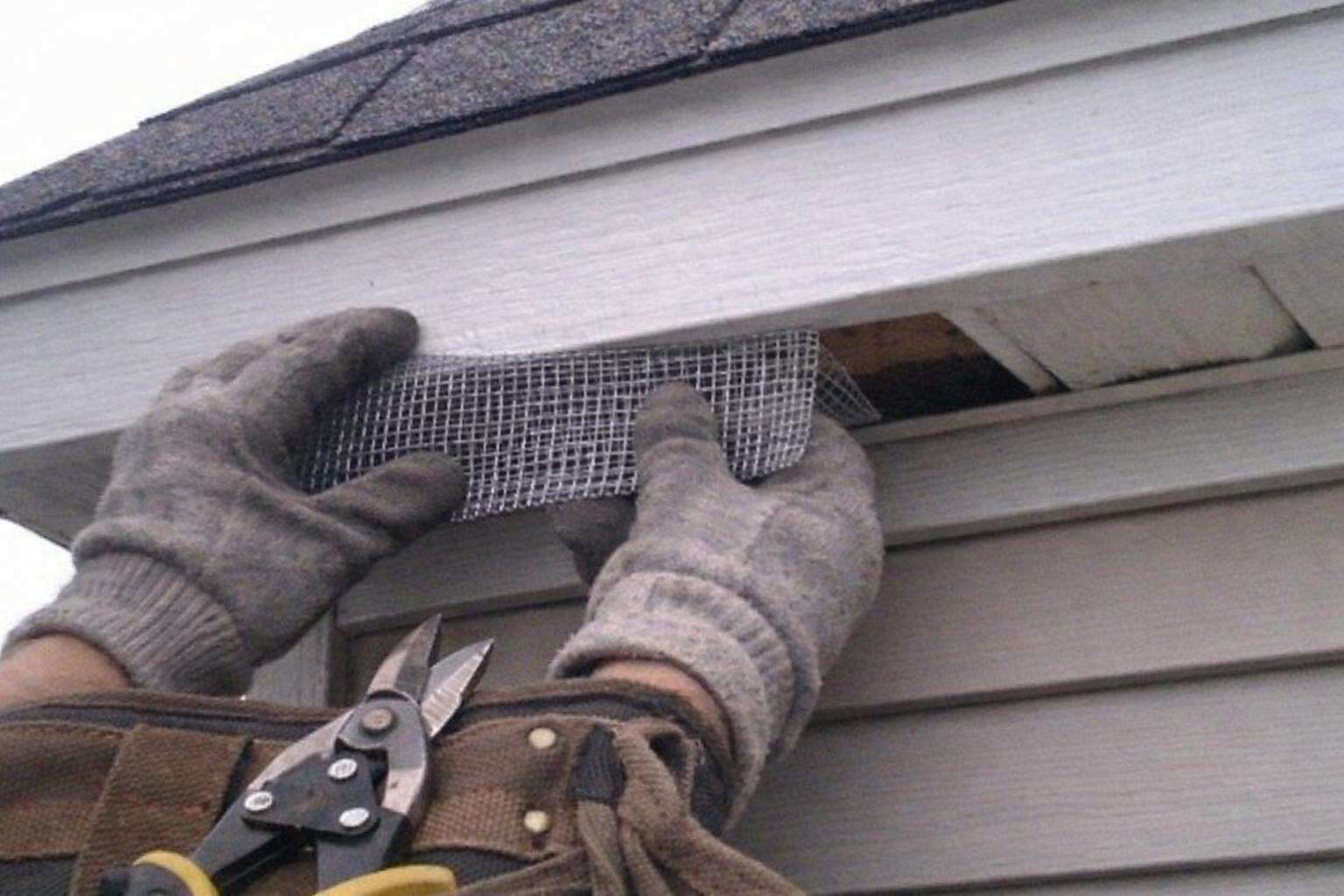
Where a soffit runs into the roof deck at the eave, the framing often leaves a void behind the trim, the builder's gap that every local contractor names first. It is open on gable and hip roofs of many eras and on both sides of most houses. Closing it means shaped sheet metal or hardware cloth fitted into the void and fastened, rather than a bead of sealant across the face of it.
Gable vents
Louvered vents high in a gable end are meant to breathe, and the screening behind the louvers is what keeps animals out. That screening perishes long before the vent does. A new galvanized screen fitted behind the slats restores the vent instead of blocking it.
The rest of the roof list
Five further openings complete the roof-level inventory on most Atlanta houses.
- Fascia gaps where a board has pulled or rotted away from the soffit line
- Ridge vent ends and off-ridge vents with a lifted or damaged edge
- Penetrations for bath fans, kitchen vents, flues and plumbing stacks
- The chimney chase and the gap around a chase cover, which is also where a chimney cap earns its place
- Drip edge and J-channel details along the eave and rake, where a flashing detail has lifted
Chimney caps, drip edge and J-channel are the standard hardware in this market, and a quote that names them is a quote written by somebody who has been on the roof.
The crawl space and foundation openings
Below the floor line the openings are different and so is the animal. Norway rats and house mice work at ground level, and the pre-1940 intown stock gives them a great deal to work with.
Bungalows and Victorians in Grant Park, Kirkwood, Cabbagetown, Inman Park and Virginia-Highland sit on open, vented pier-and-brick crawl spaces over red clay, usually with no vapor barrier under them. Over a century the mortar between piers fails, brick infill falls out, and a band joist sitting close to damp clay rots at the ends. The crawl space access door is often a piece of plywood held by gravity.
What gets closed down there
Six items make up the crawl space and foundation inventory on an older house.
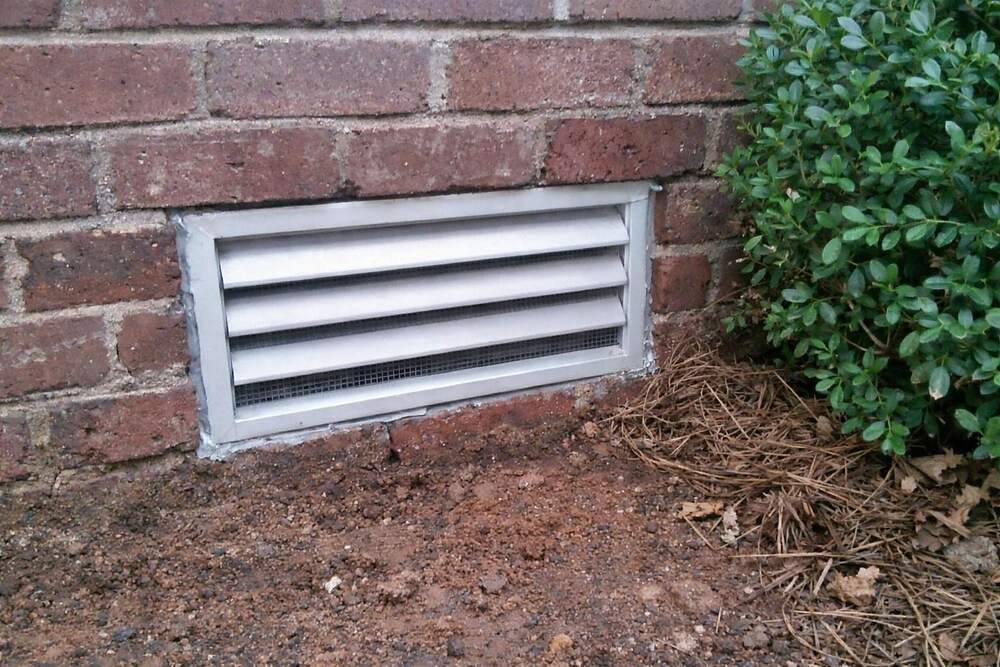
- Foundation and crawl space vents, screened in galvanized mesh behind the original louvers
- Gaps between brick piers and failed infill panels, closed in masonry or metal depending on the structure
- Rotted band joist sections, which need carpentry before any mesh is worth fastening to them
- The access door, rehung with a frame and a positive latch rather than propped
- Utility penetrations where water, gas, electrical and HVAC lines pass the foundation wall
- The garage door sweep, where it no longer meets the slab across its full width
A crawl space that has been encapsulated changes the job, usually for the better, since the vents are already closed and the liner shows a run clearly. The detail to check on an encapsulated space is where the liner is terminated at the wall, since a loose termination is a highway. That work sits on the crawl space rodent control page.
Steel, sheet metal and foam compared
Metal holds and foam does not, which is the whole comparison. A rodent chews through expanding foam, caulk, plastic and wood, and gives up against galvanized steel.
| Material | What it does | Where it belongs |
|---|---|---|
| Galvanized hardware cloth | Quarter-inch mesh that can be cut and shaped into an irregular void and fastened at the edges. Breathes, so it suits a vent. | Roof returns, gable and foundation vents, odd-shaped gaps. |
| Sheet metal | A solid closure for a flat opening or a chewed edge that needs protecting rather than screening. | Fascia gaps, chewed corners, the edge of a soffit panel. |
| Copper or steel wool | Packing for a small round penetration, held in place behind a sealant. | Pipe and cable penetrations, as a backing rather than a barrier. |
| Expanding foam alone | Fills a gap visually and gets chewed out. It also hides the opening from the next inspection. | Only as an edge seal behind or around fastened metal. |
When a low quote and a high quote differ by a large factor, materials and access are usually the reason. Ask what each opening is being closed with, and ask whether the price includes reaching the openings that need a ladder.
Is it safe to do exclusion before trapping?
Yes for the openings with no traffic, and no for the ones in use. That distinction is the single most important piece of sequencing on the job, and it is why an inspection that only counts openings without reading the runs is incomplete.
Closing everything on day one shuts the resident animals inside the building. What follows is an animal dying in a wall cavity, which turns a rodent job into an odor job and a drywall repair. Closing nothing until the trapping finishes leaves the supply line open, and in a canopied neighborhood where roof rats range about 150 yards from a den, the population replaces itself as fast as the traps remove it.
The order that works
Five steps in this sequence keep animals out of the wall and the supply line closed.
- Identify which openings show current traffic from rub marks, droppings and disturbance
- Close every opening that shows none, which is usually most of them
- Trap the active runs and leave the sets at least a week
- Close the remaining openings once nothing has moved for several nights
- Verify with a return visit before the job is called finished
Anyone proposing to seal the whole house before a single trap goes in has skipped the reading stage. Anyone proposing to seal nothing until the very end is planning a job with no end.
What to ask about the exclusion warranty
Ask three questions and get the answers written on the quote: what the warranty covers, how long it runs, and whether it renews. Terms in this market vary from a one to three year renewable agreement to a lifetime term on the sealing work, and the differences are where the value sits.
Coverage is the question that matters most. A warranty on the sealing work usually means the contractor returns and re-closes an opening that has been breached or has failed. Whether it also covers the trapping needed after a breach, whether it survives a roof replacement, and whether it transfers when the house sells are all worth asking before signing rather than after a problem.
Georgia requires rodent control services be performed under a written contract, so the paperwork exists in any case. Reading it is the part people skip. Also worth confirming: how many follow-up visits the price includes, and whether the closing visit at the end of the trapping is one of them or a separate charge.
What exclusion costs and what moves the number
The count of openings and the difficulty of reaching them set the price, and nothing else comes close. A single-story ranch with two open roof returns and four foundation vents is a short job. A two-story with dormers, a complicated valley, a chimney chase and a crawl space with failed pier infill is a long one.
| Line item | Atlanta (Angi) | National (HomeGuide 2026) | Here |
|---|---|---|---|
| Inspection and list of openings | $210 to $420 standalone | $0 to $175 | Free |
| Full-home exclusion sealing | No Atlanta figure published | $500 to $2,500 | Quoted from the inspection |
| Trapping alongside the sealing | $442 to $1,138, averaging about $786 | $250 to $1,200 | Quoted from the inspection |
| Full-scope restoration where it goes that far | No Atlanta figure published | $3,000 to $10,000 and up | Quoted from the inspection |
The Atlanta figures come from Angi's local cost page and the national ones from HomeGuide's 2026 guides. A national band is never relabeled as an Atlanta number. Treat all of them as typical-job ranges confirmed at the free inspection.
Things that push a house toward the high end
Five conditions add openings, access difficulty or preparation to an exclusion job.
- Two stories, dormers or a cut-up roof plan with many returns
- An open pier crawl space with failed infill and a rotted band joist
- Ivy or wisteria grown into the fascia and soffit line
- A previous job that foamed the openings, which has to be cut out first
- Access restricted by decking, a steep lot or planting against the wall
What keeps a sealed house sealed
Maintenance, and most of it is free. A house closed to a quarter inch stays closed until something mechanical changes, and the things that change are predictable.
- Keep limbs cut back from the roof, since a branch bridge restores the route however well the roofline is closed
- Keep ivy and climbing plants off the walls and out of the soffit line
- Check the garage door sweep once a year and replace it when it stops touching the slab across the full width
- Look at the crawl space access door after any work under the house, because it is the thing trades leave open
- After a roof replacement, ask the roofer to leave the exclusion metal in place or have it refitted
- Clear fallen fruit, bird seed and dense ground cover near the foundation
Seasonally, the pressure arrives with the first real cold snaps between October and December, when rats and flying squirrels move from the canopy into attics. A check of the roofline in early autumn is worth more than the same check in February.
Services that usually go with this one
Sealing rarely travels alone, and these are the pages for the stages around it.
- Roof Rat Removal: Trapping in the runs the animals are using, sequenced with sealing at the roof returns and gable vents where they got in.
- Crawl Space Rodent Control: Norway rats and mice at floor level on an open pier crawl space: vent screens, band joist repair, access door, trapping.
- Rodent Inspection: A free walk of the roofline, attic, crawl space and yard, photographed, with an itemized written quote from it.
How the pieces fit together is covered on the about page, and the contact page has the hours and the address.
Sealing the outside of a house
Working around a building, closing every gap.
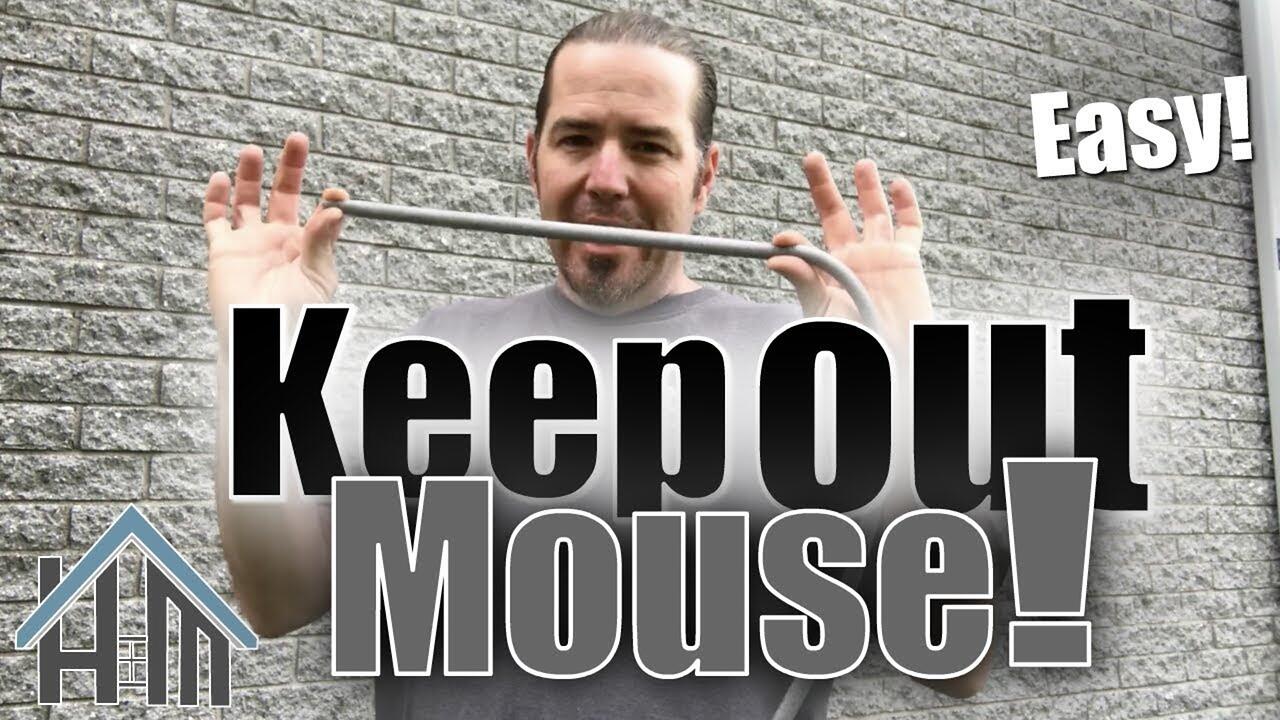
Video: How to keep out mice and other pests: sealing up the exterior, from The Home Mender.
How an exclusion job runs
Four stages, sequenced so nothing is closed in with the house.
-
Count and photograph the openings
A ladder at the eave, then the attic, then the crawl space and the exterior. Each opening is recorded with a picture and appears as a line on the quote.
-
Read which ones are in use
Rub marks, droppings and disturbance show current traffic. Those openings stay open until the trapping is done; everything else is closed straight away.
-
Close in steel
Galvanized hardware cloth, sheet metal and new vent screening, fastened and finished. Foam only as an edge seal behind fastened metal.
-
Close the last runs and verify
Once several nights pass with no activity, the remaining openings are closed and the work is walked again before the job is called finished.
What to expect
Five things to expect on an exclusion visit, whatever the size of the house.
- A ladder up at the eave rather than a survey from the ground
- Each opening listed on the quote rather than one sealing line
- Metal at every opening, with foam used only as backing
- The active runs deliberately left open until trapping ends
- A written warranty statement with a term and a renewal answer
Why sealing decides the outcome
The list of openings is the deliverable
Most exclusion disputes come down to a quote that said sealing and a homeowner who never saw what was being sealed. Every opening found on the inspection is photographed and itemized, so the number on the quote has a physical list behind it. That list is also what makes two competing bids comparable, which is the thing homeowners in this market say they cannot do.
UF/IFAS sets the rat-proofing threshold at a quarter of an inch.
Two levels rather than one
Atlanta houses get worked from above and below at the same time. Roof returns and gable vents admit roof rats off the canopy; foundation vents, failed pier infill and a rotted band joist admit Norway rats and mice at ground level. A quote that covers only the roofline on a pre-1940 bungalow on open brick piers has closed half the building.
Pre-1940 intown stock sits on vented pier crawl spaces over red clay.
Metal, and the reason for it
Galvanized hardware cloth and sheet metal are the materials that hold at an opening. Expanding foam is what a cheap quote usually means, and a rodent chews through it and leaves the opening hidden for the next inspection. Foam belongs behind fastened metal as an edge seal, and nowhere else on this job.
HomeGuide puts full-home exclusion at $500 to $2,500 nationally.
What Reddit Says About Rodent Exclusion in Atlanta
Exclusion is where the sticker shock lives in the homeowner threads. People call expecting a trapping bill and receive a quote that includes metal work along a roofline and under a house, and the reaction is almost always that the number seems disconnected from the problem. The posts that get the most agreement are the ones explaining what the sealing is buying, and the consensus is that the shock comes from the work being sold before it was explained rather than from the work being unnecessary.
The advice is consistent on sequencing. Trapping without sealing gets described as harvesting rodents, and sealing with animals still inside draws warnings about the smell that follows. People tell each other to ask whether the company doing the trapping also does the repair work, since a firm that only traps has no reason to talk about openings and a firm that only repairs has no reason to wait for the trapping to finish.
Warranties come up constantly and nobody agrees on what is normal, which is itself the useful signal. The recommended questions are whether the warranty covers the sealing or the result, how long the term runs, whether it renews, and what happens after a roof replacement. Threads also warn about monthly monitoring agreements bundled into an exclusion price, since an ongoing fee attached to work that should be permanent is a contract rather than a fix.
The last recurring theme is verification. People who were happy with the outcome describe being shown photographs of each opening before and after, and people who were not describe a single line on an invoice and no way to tell what was done up there. Contractors routed from this number work from a photographed list for exactly that reason.
A common exclusion call from an older Atlanta house
The situation: A caller in a 1912 house east of downtown has had two rodent companies out over three years. Both trapped, neither sealed, and the noise comes back every autumn. There are droppings in the crawl space and in the attic, which is two problems rather than one.
What gets done: The inspection produces a list of fourteen openings. Above: both rear roof returns, a gable vent with no screen left, and a fascia gap where the board has pulled away over the porch. Below: five foundation vents with rusted louvers, two failed brick infill panels between piers, a rotted section of band joist and a crawl space door held shut by a brick. The quote prices the carpentry on the band joist separately from the sealing, and separately again from the trapping.
How it turns out: Eleven openings with no traffic are closed in galvanized steel on the first two days. Traps go into the attic run and the crawl space, the band joist is repaired the following week, and the last three openings are closed once nothing has moved for five nights. The autumn after, the house stays quiet, which is the first time in three years that has happened.
Exclusion questions Atlanta callers ask
Six answers on materials, sequencing, cost and how long the work should last.
Call (404) 924-6653Can I just foam the gaps myself?
Foam alone gets chewed through, so the gap reopens and the next inspection cannot see it any more. Where a homeowner wants to do useful work without a ladder, the high-value jobs are at ground level and outside: cutting limbs back from the roof, pulling ivy off the walls, replacing a garage door sweep that no longer touches the slab, clearing dense ground cover from the foundation line, and fitting proper galvanized screening behind foundation vent louvers. Roof-level work needs a ladder and metal, and that is where a contractor earns the fee.
Do you have to go into the crawl space as well as the attic?
On the older intown stock, yes. Pre-1940 bungalows and Victorians sit on open, vented pier-and-brick crawl spaces over red clay, and that is where Norway rats and mice work. On a newer house with a full basement or a slab, the crawl space part of the visit becomes a look at the band joist, the utility penetrations and any walkout door instead. The inspection decides which it is rather than a package deciding in advance.
Will sealing the vents cause a moisture problem under the house?
No, because the vents are screened rather than blocked. Galvanized mesh fitted behind the louvers keeps the airflow the vent was designed for and removes the opening. A crawl space that has been deliberately encapsulated is a different design, with the vents closed on purpose and moisture managed another way, and in that case the exclusion work concentrates on the access door, the liner termination at the wall and the utility penetrations.
How much should exclusion cost in Atlanta?
No local firm publishes a number, so the honest reference point is national. HomeGuide puts full-home exclusion sealing at $500 to $2,500 in its 2026 guide, with the spread driven by how many openings a house has and how hard they are to reach. Trapping is quoted separately, and Angi puts Atlanta rat removal at $442 to $1,138 with an average around $786. The free inspection turns those bands into a quote with each opening accounted for.
How long does the sealing work take?
Most houses take one to two days of physical work, spread across the job rather than done in a block, because the openings with current traffic stay open until the trapping finishes. A house with a rotted band joist or failed pier infill needs carpentry or masonry first and adds time. The calendar length of the whole job is set by the trapping, and the 2026 HomeGuide figures for that run from a few days to a couple of months depending on the count.
Does exclusion have to be redone every few years?
Properly fastened metal does not need redoing. What changes is the building around it: a roof replacement can disturb the metal at the eave, carpentry can open a new gap, a new branch can grow over the roof, and a garage door sweep wears out. Ask for the exclusion metal to be protected during any roofing work, walk the roofline each autumn before the first cold snaps, and treat the maintenance list as the recurring part rather than the sealing.