Commercial Rodent Control in Atlanta
On a commercial property the documentation is half the job. Georgia requires rodent control be performed under a written contract, and a health inspector or a landlord wants to read the file rather than hear about it.
- Kitchens, warehouses, multifamily
- Records built for inspection
- Written contract as standard
The commercial properties this covers in Atlanta
Four types account for most of the work, and each has its own animal and its own pressure point.
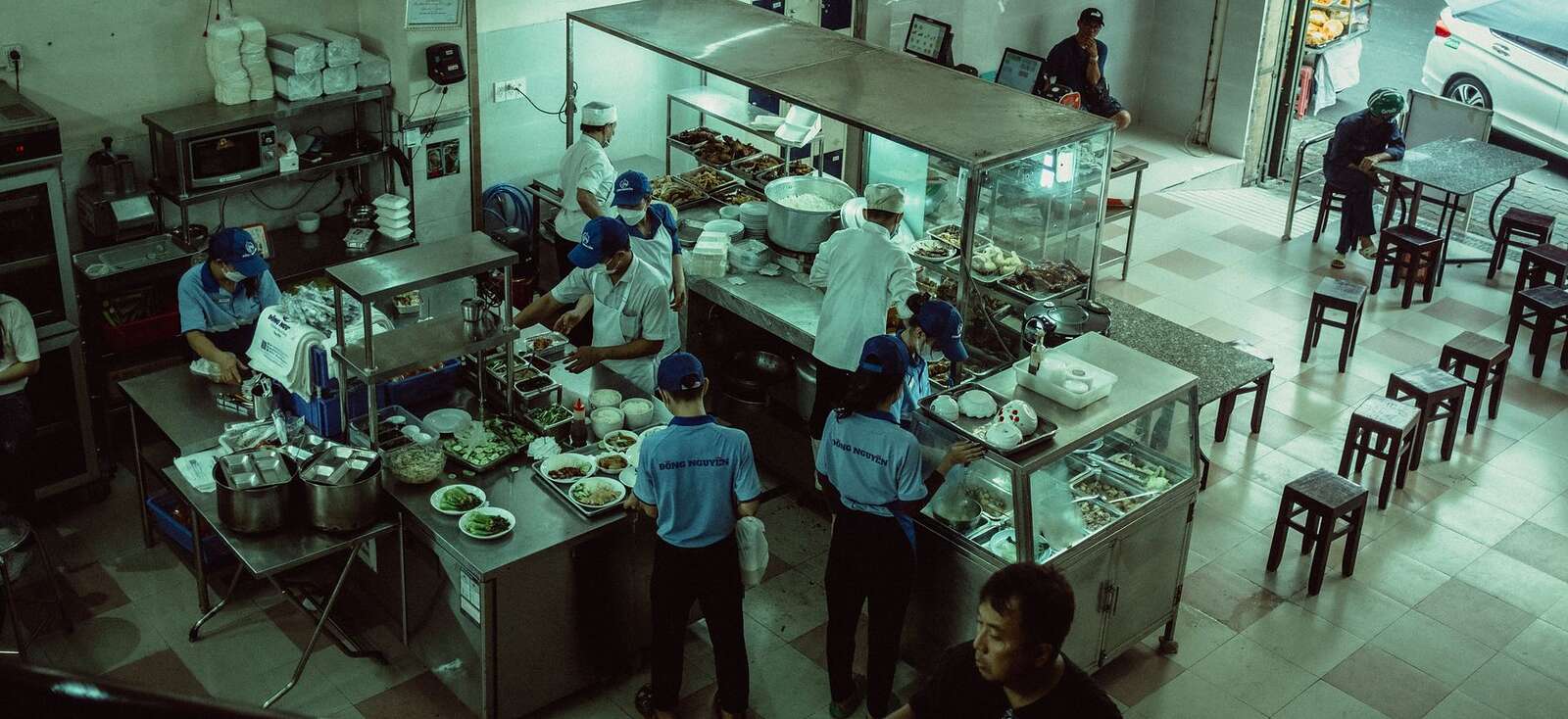
Restaurants and commercial kitchens
Food, warmth and waste in one place. The pressure comes from the back of house: the dumpster pad, the delivery door, the gap under a walk-in, the void behind a cook line, and the floor penetrations for drains and gas lines. House mice dominate inside and Norway rats work the exterior waste area.
Warehouses and distribution
The rail and interstate corridors through the metro run past a lot of older industrial stock. The issues are scale and openings: dock doors that no longer seal at the bottom corners, a personnel door propped in summer, and pallet racking that gives an animal a protected route the length of a building.
Older Midtown and downtown buildings
Party walls, shared risers, basements connected to neighboring basements, and utility chases that run the height of a building. In this stock a rodent problem is frequently a building problem rather than a tenancy problem, and solving one unit changes little.
Multifamily
Trash rooms and chutes, shared wall voids, and the specific difficulty that access to individual units is controlled by residents rather than by the manager. Documentation matters most here, because a landlord has to show what was done, where and when.
The documentation a commercial file needs
A health inspector, a landlord, a franchisor or an insurer wants a file that answers four questions: who is licensed, what was found, what was done, and when. A binder that answers those is worth more than any single treatment in it.
Georgia requires rodent control services be performed under a written contract, and the contract is where the file starts. It should name the company, the license category and the designated certified operator, and it should state the scope and the visit frequency rather than describing services generally.
What belongs in the file
- The written service agreement and the Georgia Department of Agriculture company license details
- A site map with device locations numbered, kept current as things move
- A service record per visit: date, technician, findings, actions and any device serviced
- Product labels and safety data sheets for anything applied
- A corrective action log, which is the part that shows structural issues being fixed rather than monitored
- Photographs of the openings found and of the work done to close them
- Trend data over time, so a problem can be shown to be shrinking
The corrective action log is the one that matters most under inspection. Devices and visits show activity; a log showing a dock seal replaced and a floor penetration sealed shows the problem being removed.
Why commercial work starts outside
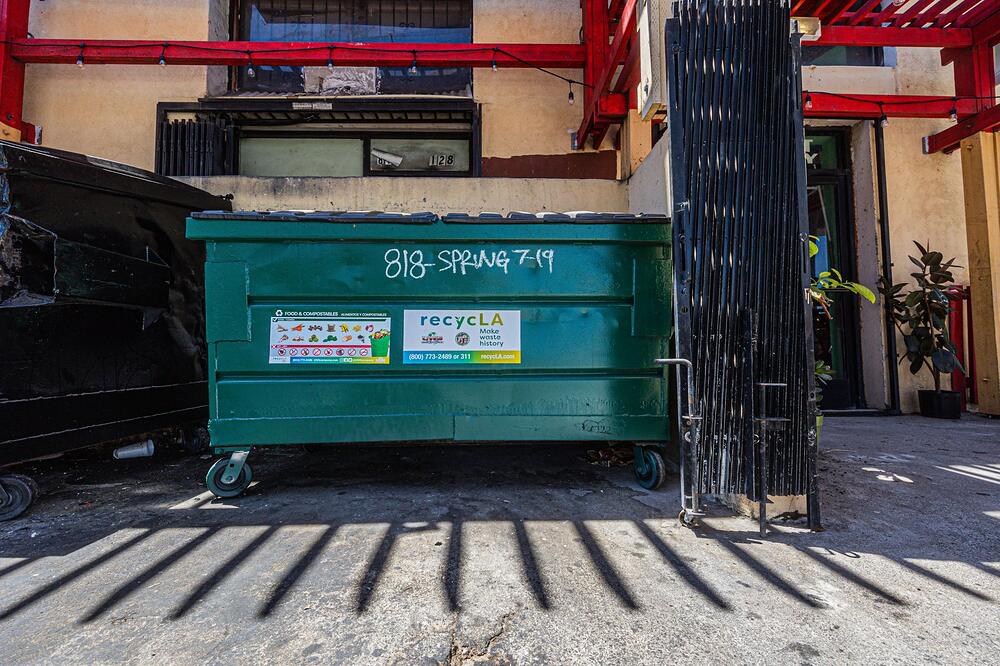
The waste area is where a commercial rodent problem is fed, and on most sites it is also where it is solved. Norway rats work the ground level around dumpster pads and loading areas, and any interior program running while that area is providing food and harborage is a maintenance contract rather than a solution.
The exterior list
- Dumpster lids that close, containers that are not overfilled, and a pad that gets washed down
- The pad surface itself, since a broken slab or a gap against the building is harborage
- Grease containers and their surrounds
- Dock levelers and the corner gaps a dock door cannot seal
- Landscaping and ground cover against the building line
- Standing water, drainage and any burrow evidence along the foundation
- Neighboring properties, which on a shared alley determine a great deal that you do not control
Exterior bait stations have a defensible role here that they do not have inside an occupied house: locked, tamper-resistant, away from the structure, and documented on the site map. The EPA notes common anticoagulants kill four days to two weeks after feeding begins, which is manageable outdoors and unacceptable inside a kitchen ceiling.
Inside, trapping remains the method, for the same reason it is inside a house. UF/IFAS notes that trapping greatly reduces the risk of a poisoned rodent dying inside a building, and a carcass in a wall above a dining room is a closure rather than an inconvenience.
What a kitchen inspection covers
The back of house and the voids, in that order, because the front of house is almost never where the problem lives.
The specific places a kitchen gives up an animal are consistent across Atlanta sites: the gap under and behind a walk-in cooler, the void behind the cook line, the space beneath fixed equipment that does not move for cleaning, floor drains and the penetrations around them, the gas and water line entries, the dish pit, and dry storage shelving that sits on the floor rather than clear of it.
The structural items that keep coming up
- Door sweeps on the delivery door and the back door, worn at the ends where they matter
- Floor and wall penetrations for utilities, unsealed after equipment changes
- Gaps where a wall meets the floor behind fixed equipment
- Ceiling tile voids above the line, which run further than most managers expect
- Hollow equipment legs and bases, which are harborage in themselves
- Cardboard stored on the floor in dry storage
Most of those are fixable once and permanently, which is the argument for a program with a corrective action log rather than one with a visit schedule. A site that closes ten penetrations in a year needs less service in the second year, and a file that shows that is a file that reads well under inspection.
Multifamily and older buildings
The difficulty in multifamily is access rather than method. An animal moving through shared wall voids and risers does not respect unit boundaries, and treating the unit that complained solves very little if the route runs the length of a floor.
What works is treating the building as the site. Trash rooms and chute bases, the basement and any crawl space, shared risers and chases, the exterior waste area, and then the units along the affected route rather than only the one that called. That requires notice, scheduling and cooperation from residents, which is a management task as much as a pest one.
Older Midtown and downtown stock
Party walls and connected basements mean a neighboring property can supply a problem indefinitely. Where that is the situation, the honest report says so, documents what has been closed on your side, and identifies what would need to happen next door. A landlord with that in writing has something to work with; one with a monthly service ticket does not.
What a manager should expect in writing
- A building-level site map rather than a per-unit one
- Records showing which units were accessed and which refused or were not available
- A corrective action list aimed at the building fabric
- Notes on any adjoining-property contribution to the problem
- Trend data across visits so a board or an owner can see direction
The Georgia licensing position on commercial work
Rodent control for hire in Georgia falls under Category 29, Household Pest Control, of the Structural Pest Control Act, administered by the Georgia Department of Agriculture through the Structural Pest Control Commission. A company needs a company license and a designated certified operator in that category.
Two further points matter on a commercial site. First, rodent control is among the services the rules require be carried out under a written contract, so the agreement is a compliance item rather than a formality. Second, company licenses are searchable on the Department of Agriculture structural pest control lookup, which means a landlord, a franchisor or an insurer can verify the contractor independently, and some of them do.
Where wildlife rules come in
Rats and mice are exempt species under Georgia Department of Natural Resources rules and may be taken by any means, in any number, at any time. Squirrels are protected, so a warehouse or an older building with gray or southern flying squirrels in the roof space needs a contractor holding a DNR nuisance wildlife control permit alongside the pest license. That comes up more often than people expect on older commercial stock with open roof structures.
Ask for the license number, verify it on the state lookup, and keep a copy in the file. Ask for proof of insurance and keep that too.
What commercial rodent control costs
Commercial pricing depends on site size, visit frequency and how much structural correction is in scope, so published residential bands are a poor guide. They are still useful as a floor, since the underlying trades are the same.
| Line item | Atlanta (Angi) | National (HomeGuide 2026) | Here |
|---|---|---|---|
| Initial inspection and site survey | $210 to $420 for a residential standalone | $0 to $175 | Free |
| Initial knockdown and trapping | $442 to $1,138 residential, averaging about $786 | $250 to $1,200 residential | Quoted from the survey |
| Structural exclusion work | No Atlanta figure published | $500 to $2,500 for a full home | Quoted per opening |
| Ongoing service program | Not published | Not published | Quoted by frequency, priced separately |
The residential figures come from Angi's Atlanta cost page and HomeGuide's 2026 national guides, and they are shown as a reference point rather than as commercial rates. A commercial quote is built from the site survey.
What to insist on in a commercial quote
Five points belong in any commercial agreement before it is signed.
- The initial knockdown priced separately from the ongoing program
- Structural corrections listed per opening rather than as a lump
- The visit frequency stated, with what each visit includes
- What happens on a callout between scheduled visits
- The notice period and what happens to the file if the contract ends
An ongoing program that never reduces in frequency is a warning sign rather than a service. A site where the openings are being closed should need less attention each year, and the corrective action log is what proves it.
Services that usually go with this one
Commercial accounts draw on the same trades as a house, at a different scale.
- Rodent Exclusion: Closing every opening down to a quarter inch, at the roofline and at the crawl space, in galvanized steel rather than foam.
- Rodent Inspection: A free walk of the roofline, attic, crawl space and yard, photographed, with an itemized written quote from it.
- Dead Rodent Removal: Finding the carcass behind drywall or under a floor, taking it out through a small access cut, then closing the way in.
How the pieces fit together is covered on the about page, and the contact page has the hours and the address.
Pest control in a food premises
The standard a commercial kitchen is held to.
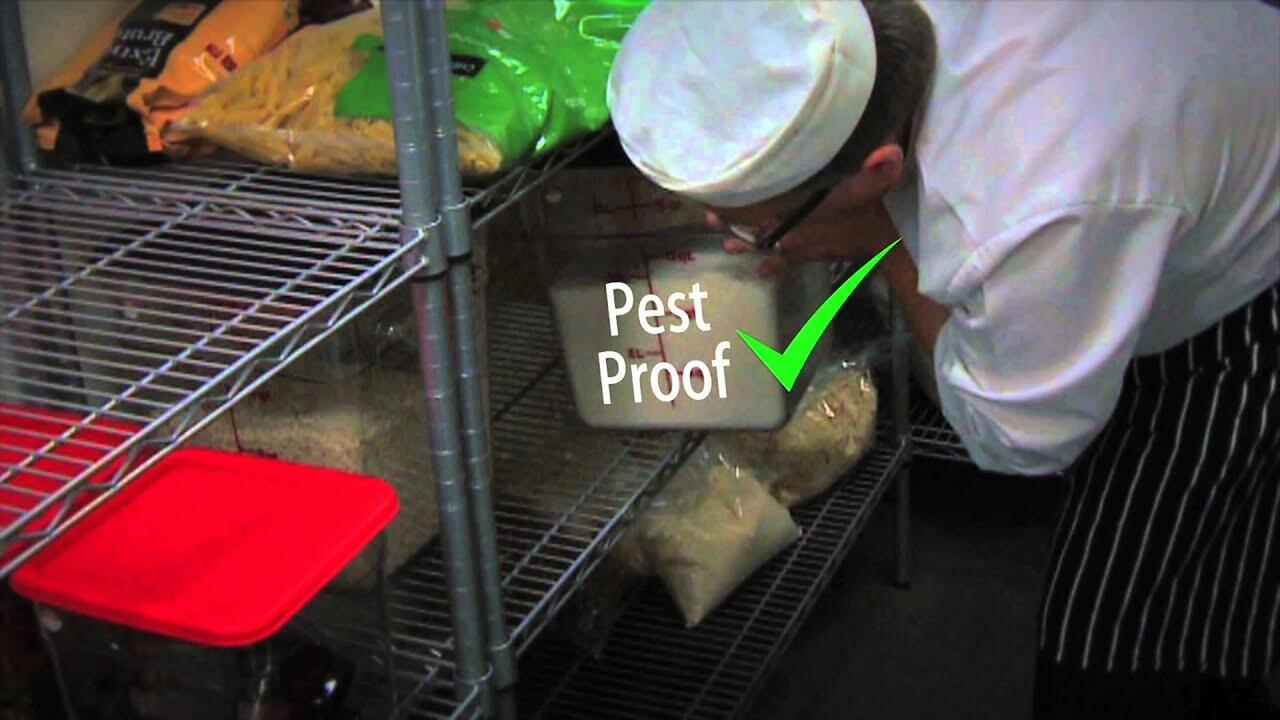
Video: Food safety coaching: pest control, from Food Standards Agency.
How a commercial program runs
Four stages, and the file starts on day one rather than at the first inspection visit.
-
Site survey
Exterior waste area, building envelope, back of house, voids and utility penetrations, mapped and photographed, with the findings written as a corrective action list.
-
Knockdown
Interior trapping in the runs the survey identifies, locked exterior stations where the waste area warrants them, and the quiet openings closed immediately.
-
Correction
Door sweeps, floor and wall penetrations, dock seals and gaps at the building line closed, each one logged with a before and after photograph.
-
Program and records
A visit schedule with a service record per visit, a current site map, trend data, and a file a health inspector or a landlord can read without explanation.
What to expect
Five things a commercial program should produce, whatever the property type.
- A numbered site map kept current as devices move
- A service record per visit with findings and actions
- A corrective action log showing openings being closed
- The Georgia Department of Agriculture license details in the file
- Trend data across visits rather than a stack of tickets
Why commercial work is judged on the file
The record is what gets inspected
A health inspector, a landlord or a franchisor reads the file before they look at a device. A written contract naming the license category and the certified operator, a current site map, a service record per visit and a corrective action log is what a good file looks like, and Georgia requires the written contract in any case. Assembling it afterward never works as well as building it from the first visit.
Rodent control services in Georgia require a written contract.
Outside first, then inside
A dumpster pad supplying food and harborage will sustain a population indefinitely, so the exterior waste area is where the survey starts on a restaurant or a warehouse. Locked, documented stations have a defensible role out there. Inside, trapping stays the method, because a poisoned animal dying above a dining room ceiling is a closure rather than a nuisance.
The EPA puts anticoagulant death at four days to two weeks after feeding begins.
Corrections rather than a standing fee
A program whose frequency never falls is a subscription rather than a solution. Every structural item closed reduces the pressure permanently, so the corrective action log is the part of the file that predicts next year's cost. Openings are quoted individually and photographed before and after for exactly that reason.
UF/IFAS sets the rat-proofing threshold at a quarter of an inch.
What Reddit Says About Commercial Rodent Control in Atlanta
The commercial threads come from a different angle than the homeowner ones. The people posting are managers and owners, and the frustration is about contracts rather than about fear. The recurring story is a national provider on a monthly agreement, a stack of service tickets, and a rodent problem that has not changed in two years.
The advice is consistent and useful. Ask what the visit covers beyond checking devices. Ask for a corrective action list and check whether anything on it ever gets completed. Look at whether the visit frequency has ever gone down, because a site that is improving should need less service over time rather than the same amount forever.
Restaurant operators in particular talk about the gap between a program that passes an inspection and one that solves the problem. A binder with current records will satisfy a reviewer, and it will not stop an animal coming through a dock door corner that nobody has fixed. The posts that read as experienced are the ones about door sweeps, floor penetrations and the dumpster pad rather than about products.
Multifamily managers raise the access problem more than anything else: a route running through shared wall voids cannot be solved one unit at a time, and residents who do not grant access break the sequence. The consensus is to treat the building as the site, document which units were reached and which were not, and escalate the structural items to ownership rather than absorbing them into a service line.
A common commercial call from an Atlanta property
The situation: A restaurant manager in an older building has had a national provider on a monthly agreement for two years. Staff are still seeing droppings behind the cook line in the mornings, and a health inspection is due.
What gets done: The survey starts outside and finds the dumpster lids propped permanently, a broken section of pad against the building, and a delivery door sweep worn through at both ends. Inside, the void behind the cook line opens to an unsealed gas line penetration, and the ceiling tile void above the line runs through to the adjoining tenancy. The corrective action list is written first, then the trapping plan.
How it turns out: The sweep and the penetrations are closed in the first week and the pad section is repaired, with photographs logged against each item. Interior trapping runs for three weeks and stops producing. The file goes to the inspection with a current site map, a service record per visit and a list of closed items, and the visit frequency comes down at the six month review because the pressure has fallen.
Commercial questions Atlanta operators ask
Five answers on programs, documentation, licensing and what a health inspector is looking for.
Call (404) 924-6653What does a health inspector want to see?
A file that answers four questions without anyone having to explain it: who is licensed, what was found, what was done and when. That means the written service agreement with the Georgia Department of Agriculture license details, a current site map with devices numbered, a service record for each visit showing findings and actions, product labels for anything applied, and a corrective action log. The log is the part that shows structural problems being fixed rather than monitored indefinitely.
Do I need a monthly program?
It depends on the site rather than on a default. A restaurant with a shared dumpster area and an active alley needs regular attention; a warehouse whose dock doors have been sealed properly may need far less once the initial work is done. The question to ask any provider is what the visit does beyond checking devices, and whether the frequency is expected to fall as corrections are completed. A program that never reduces is a subscription.
Can you work around our operating hours?
Yes, and it is usually necessary. Kitchens are surveyed and serviced outside service hours, warehouses around shift patterns, and multifamily common areas at times that suit residents. Say what the constraints are at the survey so the program is built around them rather than negotiated every visit. Site visits are generally booked between seven in the morning and seven in the evening, with the phone answered at any hour.
What license does a commercial rodent contractor need in Georgia?
A Georgia Department of Agriculture structural pest control company license in Category 29, Household Pest Control, with a designated certified operator for that category, and the service has to be carried out under a written contract. Company licenses are searchable on the Department of Agriculture structural pest control lookup, so a landlord, a franchisor or an insurer can verify the contractor independently. Where squirrels are in a roof structure, a Department of Natural Resources nuisance wildlife control permit is needed as well.
Our problem is coming from next door. What can be done?
Your side gets closed and the situation gets documented. In older Midtown and downtown stock with party walls, shared basements and connected risers, a neighboring property can supply a problem indefinitely, and pretending otherwise wastes money on your side of the wall. The useful output is a report showing what has been sealed on your property, where the pressure is coming from, and what would need to happen next door, which is something a landlord or an association can act on.