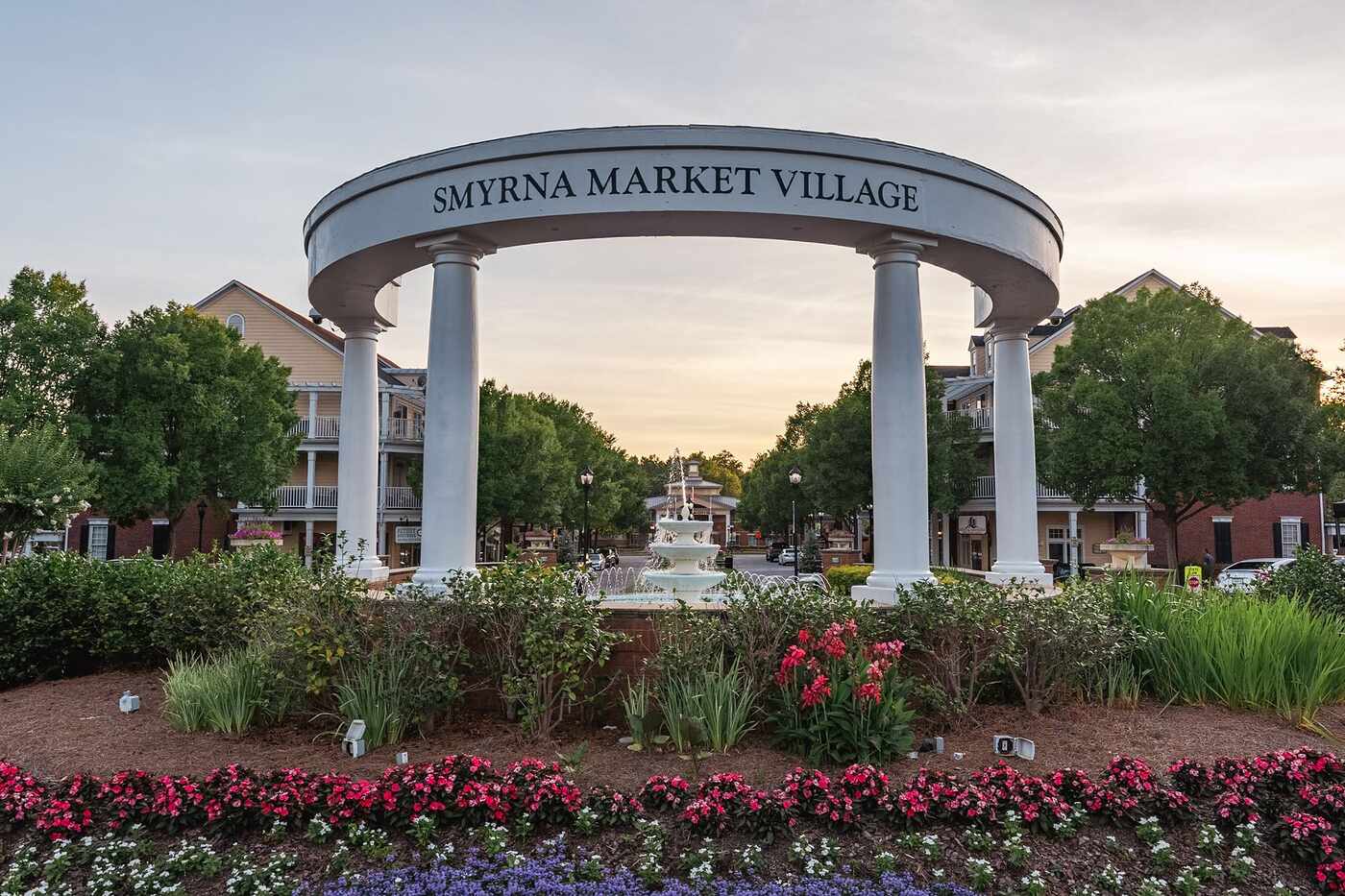
Rodent Removal in Smyrna, GA
Smyrna has rebuilt large parts of itself in townhomes and newer detached houses while keeping streets of 1950s ranches, and an attached house has a rodent problem that a detached one does not.
- Ranches and townhome infill
- Shared walls change the job
- Cobb County near the river
Free Inspection in Smyrna
The free inspection covers the roofline from a ladder, the attic or roof space, the crawl space or slab edge, the interior and the exterior, with every opening photographed. On an attached house it also covers the shared structure, because that is what decides whether a problem is yours alone. Smyrna sits in Cobb County just outside the Atlanta city limits, roughly ten miles northwest of downtown between I-285 and the river.
The phone is answered at any hour of the day or night, and site visits run from seven in the morning until seven at night, seven days a week. The visit is free and produces an itemized written quote. Call, or book through the contact page.
What a shared wall changes
It turns your rodent problem into a building's rodent problem. In a townhome or an attached house, wall voids, floor cavities and roof spaces frequently run past the party wall, so an animal entering three units down appears in your kitchen without ever using an opening on your elevation.
The practical consequences are worth knowing before anyone quotes. Treating one unit while the route runs the length of a block removes the animals currently in your section and nothing else. Sealing your own elevations is still correct and still worth doing, and it will not on its own end a problem being fed from elsewhere.
What usually works on attached housing
Five measures address a route that runs past the party wall.
- Inspecting the whole run of units rather than the one that called, where access allows
- Closing shared roof space at the party wall line, which is often open above the ceiling
- Treating the common areas and any shared waste or trash enclosure
- Documenting which units were accessed and which were not
- Raising the structural items with the association rather than absorbing them privately
Where an association or a management company is involved, that is closer to a commercial job and is covered under commercial rodent control.
The 1950s and 1960s ranches
The older detached stock here is mid-century ranch housing on crawl spaces or partial basements, on lots that have kept their trees. It is straightforward work once somebody has looked at it properly.
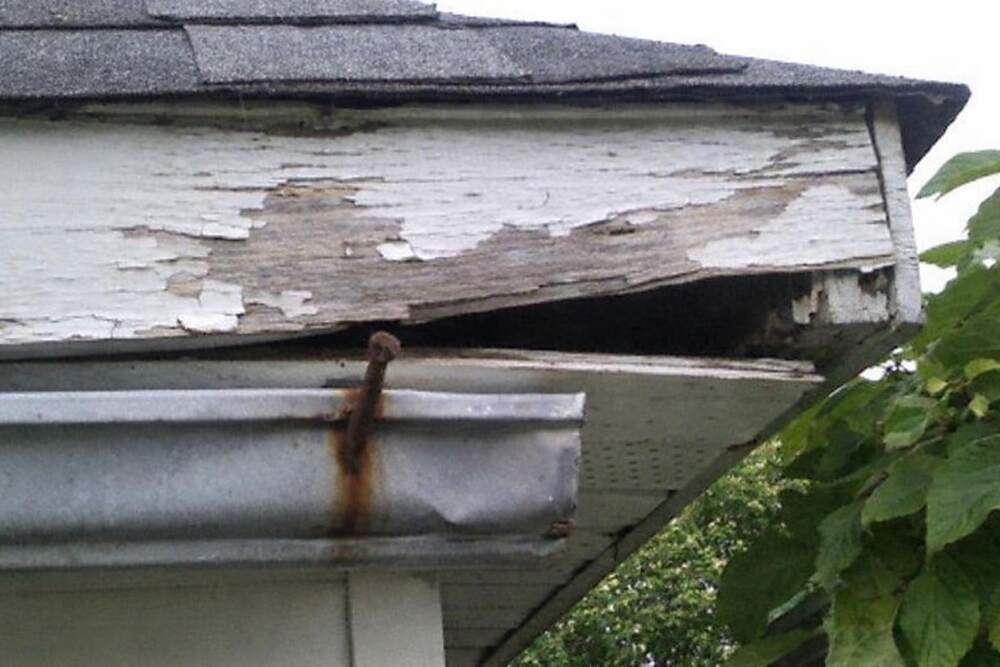
The openings are consistent: foundation vents with the screening long gone, a carport or garage wall penetration, a worn door sweep, and the eave corners along a long low roofline. Because these houses are wide rather than tall, there are usually more roof returns than the footprint suggests, often with a carport or garage wing adding a few more.
The attic is generally reachable and readable, which makes trapping faster than on an older intown house, and the partial basement houses carry the same step-in-foundation junction found across the metro where a poured wall meets a block or pier section.
Construction waves and what they move
Smyrna has had sustained redevelopment for two decades, with detached houses replaced by townhomes and older commercial sites rebuilt. Every one of those changes displaces whatever was living in the structure being taken down.
The pattern is the same everywhere in the metro: the call comes from a settled house nearby rather than from the site. A property with open foundation vents, a worn garage sweep and a limb over the roof is the one it happens to, and closing a sound house before the work starts costs a fraction of clearing an occupied one afterward.
Rodent clearance letters come up here for the same reason. The City of Atlanta requires one for a demolition permit dated no more than 30 days before permit issuance, and while Smyrna sets its own permitting, the underlying logic applies wherever a structure comes down. Requirements should be confirmed with the relevant city rather than assumed. Details on the document itself are on rodent clearance letters.
What We Handle in Smyrna
Attached and detached housing both get the full range, applied differently.
- Rodent exclusion: elevation closures on a townhome, full perimeter and roofline on a ranch
- Mouse removal: shared wall voids and kitchen penetrations in attached housing
- Roof rat removal: attic trapping on the older detached streets
- Crawl space rodent control: ranch perimeters and vent screening
- Commercial rodent control: managed communities, associations and commercial buildings
- Rodent clearance letters: for closings and for demolition permitting
A Typical Smyrna Job
The situation: A caller in a townhome built in the mid 2000s finds droppings in a kitchen cabinet and hears movement in the wall behind it. Her own front and rear elevations look sound and she cannot work out where anything is getting in.
What gets done: The inspection finds nothing open on her elevations and goes up into the roof space, where the party wall stops at ceiling height and the roof space runs continuously across three units. At the far end, an open eave detail on a corner unit is the entry. The kitchen wall void connects to the roof space through a plumbing chase. The report covers her own sealing, the chase, and identifies the corner unit opening and the open party wall as association items.
How it turns out: Her chase is closed and traps in the kitchen void produce for four nights. The report goes to the association, the corner unit eave is closed, and the party wall line in the roof space is closed as a shared item. Treating only her unit would have removed four animals and left the route intact.
What This Costs in Smyrna
An attached house is usually cheaper to seal and harder to finish, and a detached ranch is the reverse. Atlanta trapping runs $442 to $1,138 on Angi's cost page, averaging close to $786, and HomeGuide's 2026 national guide puts full-home exclusion at $500 to $2,500.
| Line item | Atlanta (Angi) | National (HomeGuide 2026) | Here |
|---|---|---|---|
| Inspection | $210 to $420 standalone | $0 to $175 | Free |
| Trapping and removal | $442 to $1,138, average about $786 | $250 to $1,200 | Quoted from the inspection |
| Exclusion sealing | No Atlanta figure published | $500 to $2,500 for a full home | Quoted from the inspection |
| Shared building work | Not published | Not published | Quoted to the association, priced apart |
These are typical-job bands from published sources, confirmed at the free inspection. A townhome with two elevations and few openings sits at the bottom of the sealing band. A 1950s ranch with a full crawl space perimeter and a carport wing sits in the middle. Work on shared structure is quoted separately so an owner is never paying for a building item out of a personal invoice without knowing it.
What is moving inside the walls
How noise in a wall cavity gets traced.
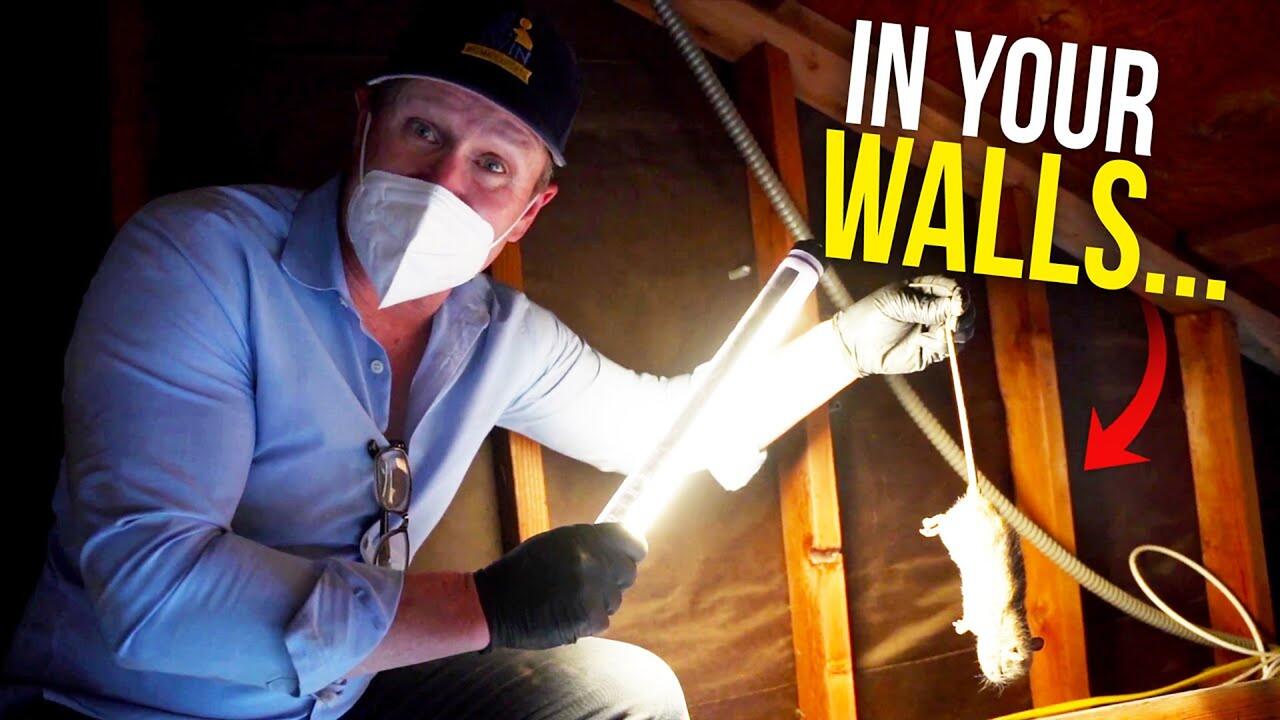
Video: Rodents in your walls? Here's what you do, from Twin Home Experts.
My neighbors say they have no problem. How can it be coming from their side?
Because the route is usually above the ceiling rather than through the living space. In a lot of attached housing the party wall stops at ceiling height and the roof space runs continuously across several units, so an animal entering at an end unit travels the roof space and drops into a wall void at your section. The neighbors hear nothing because nothing is living above their ceiling, and closing your elevations alone will not remove a route you do not own.
Who pays for work on shared structure?
That is an association or management question rather than a pest one, which is why the report separates your items from the building's. What is provided is a document identifying each opening, where it is, and whose structure it sits in, with photographs. An owner can act on their own list immediately and take the shared list to the association, rather than discovering after paying an invoice that the important openings were never in scope.
Is a 1950s ranch a big job?
Usually a straightforward one. The crawl space perimeter takes real work because the vent screening has generally expired everywhere at once, and a wide low roof has more eave corners than the footprint suggests, particularly with a carport or garage wing. Against that, the attic is normally reachable and readable, which makes the trapping stage quicker than on an older intown house with a low unfloored attic.
Who is licensed to do this work in Cobb County?
The company has to carry a Georgia Department of Agriculture structural pest control license in Category 29, Household Pest Control, with a designated certified operator listed against it, working under the written contract the state requires for rodent services. Licenses are searchable on the Department of Agriculture lookup, which matters on a managed community where a board may want to verify the contractor. Squirrels need a Department of Natural Resources nuisance wildlife control permit as well; rats and mice do not.
Nearby Areas We Serve
The same contractors cover the towns around Smyrna, and the service area runs across Cobb County and the rest of metro Atlanta.