Rodent Removal in Roswell, GA
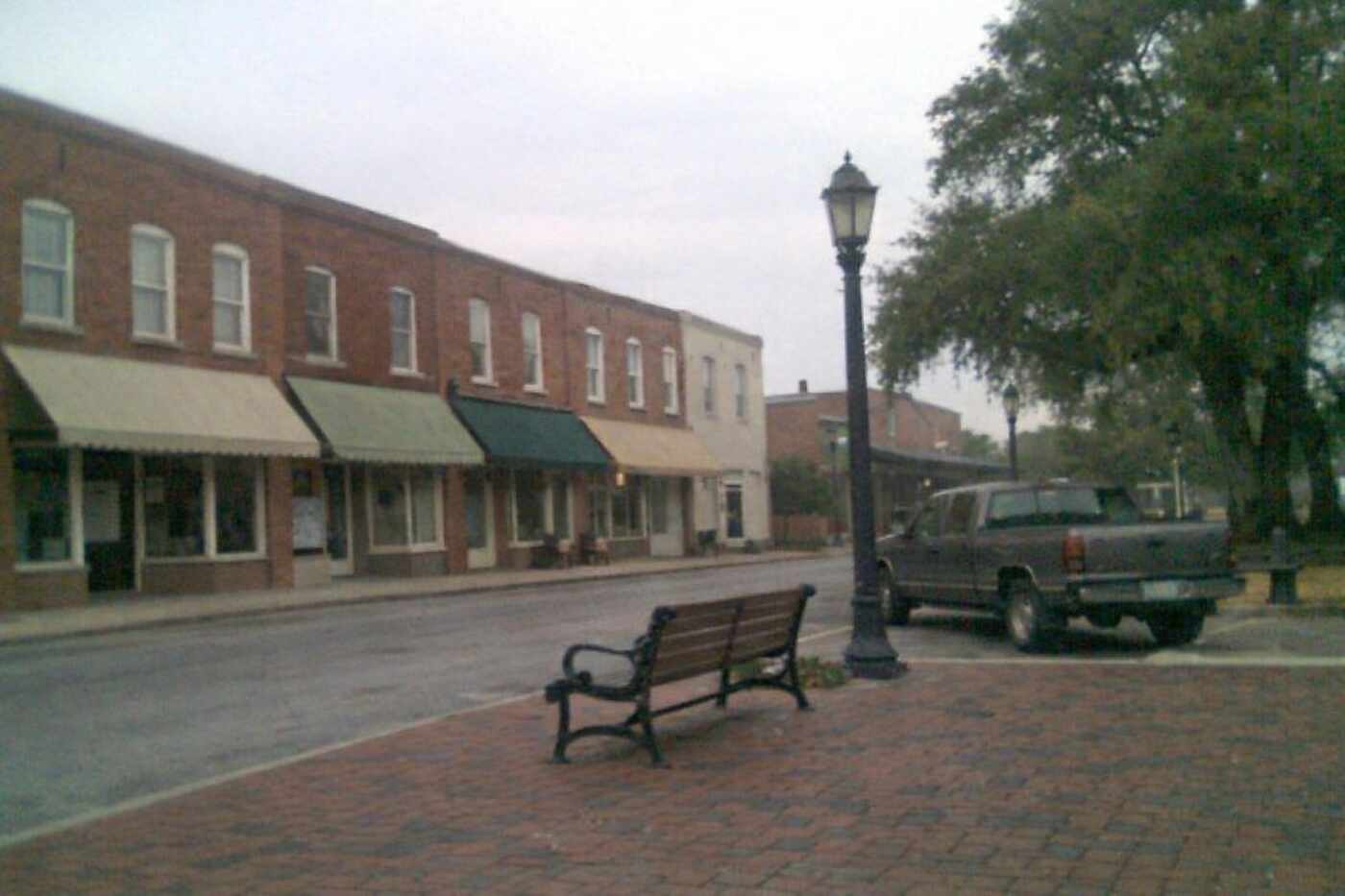
Roswell has a properly old core around its square and mill, and a very large amount of 1980s and 1990s subdivision housing around it. The two need different inspections and produce different quotes.
- Historic core and mill village
- Large later subdivisions
- Fulton County on the river
Free Inspection in Roswell
The free inspection covers the roofline from a ladder, the attic, the basement or crawl space, the interior signs and the yard, with every opening photographed and priced individually. Roswell sits in north Fulton County on the Chattahoochee, about twenty miles from downtown Atlanta up Roswell Road or GA 400, and contractors cover the city and the surrounding north metro.
The phone is answered at every hour of the day and night, and site visits are booked between seven in the morning and seven in the evening, seven days a week. Nothing is charged for the visit. Call, or send the details through the contact page.
The historic core and the mill houses
Roswell's core is one of the oldest surviving pieces of building stock in the north metro, with antebellum houses around the square and a mill village of small workers' cottages down toward the creek. That stock behaves like intown Atlanta rather than like the subdivisions around it.
These houses sit on pier or stone foundations with shallow crawl spaces, have been altered repeatedly over a century and a half, and carry rooflines with more junctions than their size suggests. The openings are at both levels: foundation gaps and failed infill below, roof returns and gable vents above, and the junctions created by every addition in between.
Work here is done behind original elements wherever possible. Screening goes behind existing vent openings rather than over them, metal is shaped into a roof return void rather than fixed across the face, and anything visible from the street is raised before it is fitted. Confirm any local historic requirement with the city directly rather than relying on a contractor's understanding of it.
The 1980s and 1990s subdivisions
Most Roswell addresses are in later subdivision housing, and that stock has a consistent profile. Two-story houses with a basement, a garage wing, a cut-up roof plan, ridge and gable venting, and lots that were cut through existing woodland so that mature trees were left standing.
The result is roof-level work. The roof return at each eave corner is the entry, there are usually eight to twelve of them, and a two-story house means a taller ladder and a longer inspection. Below, the full basement removes most of the openings an older house has, leaving the band joist, the utility penetrations, the window wells and the garage.
The trees are the reason this stock gets roof rats at all. A subdivision built through woodland thirty or forty years ago now has hardwoods over its rooflines, and a roof rat travels branches by preference and ranges about 150 yards from its den according to UF/IFAS.
The river corridor and the creek
The Chattahoochee and the creeks running down to it give the west side of the city a wooded corridor with a lot of cover, and properties backing onto it have more vegetation against them than the average lot.
The practical point is about your own boundary rather than the corridor. Dense ground cover, ivy, wood piles and stored materials against a building are harborage wherever they occur, and a lot that backs onto woodland tends to accumulate all of them along the rear. Clearing a visible strip along the foundation line, keeping wood off the ground and cutting back the planting that touches the wall changes the picture at no cost.
Steeply banked lots near the creek also put the grade high against one elevation, which keeps moisture in a band joist and softens it. That is the same condition the hillside houses further south have, and it means carpentry before sealing on the affected wall.
What We Handle in Roswell
Both halves of Roswell's housing get the same services, applied differently.
- Rodent exclusion: eight to twelve eave corners on subdivision houses, or two-level closures in the historic core
- Roof rat removal: attic trapping under canopy that predates the subdivisions
- Rodent inspection: free, and the only way to count openings on a two-story roof
- Crawl space rodent control: shallow pier crawl spaces in the older core
- Attic insulation replacement: blown fill flattened along runs in large subdivision attics
- Rodent clearance letters: for closings, which this market produces steadily
A Typical Roswell Job
The situation: A caller in a 1991 two-story in a wooded subdivision hears movement above a bedroom ceiling for the first time in twenty years of ownership. A large oak lost a limb in a storm the previous spring and the tree company took only the broken section.
What gets done: The inspection counts ten eave corners and finds two roof returns open on the rear elevation, directly under the remaining limbs of that oak. The attic shows a short run and flattened blown fill above the bedroom. The basement band joist and penetrations are sound. The quote covers the two closures, screening a gable vent that has thinned, a trapping program, and replacing the fill along the measured run.
How it turns out: The gable vent and one return are closed immediately, traps go into the run and produce for five nights, and the last return is closed a week later. The oak is cut back properly by an arborist, which removes the route rather than only the door. The fill along the run is replaced to a stated depth once the attic is confirmed clear.
What This Costs in Roswell
Roswell quotes split by which half of the city the house is in. Angi records Atlanta trapping between $442 and $1,138, with about $786 as the average, and HomeGuide's 2026 national guide puts full-home exclusion at $500 to $2,500.
| Line item | Atlanta (Angi) | National (HomeGuide 2026) | Here |
|---|---|---|---|
| Inspection | $210 to $420 standalone | $0 to $175 | Free |
| Trapping and removal | $442 to $1,138, average about $786 | $250 to $1,200 | Quoted from the inspection |
| Exclusion sealing | No Atlanta figure published | $500 to $2,500 | Quoted from the inspection |
| Insulation removal and replacement | No Atlanta figure published | $2.50 to $5.50 per square foot | Quoted from the inspection |
All of these are typical-job bands from published sources, confirmed at the free inspection. A subdivision two-story sits in the middle to upper part of the sealing band because of the eave count and the working height; a house in the historic core can sit higher again because there are openings at two levels and older wood often needs carpentry first. A simple ranch on a level lot sits lowest.
The route in from the sewer line
How a rat travels a drain into a house.
Video: How do rats get out of the sewers and into your home?, from BEEKIND Pest Control.
My house is from the 1990s. Why does it have rodents?
Because the roof return is a framing detail rather than something that develops with age, and because the trees on your lot are older than the house. A subdivision built through woodland now has hardwoods over its rooflines, and a roof rat travels branches by preference. The good news is that a house with a full basement has very few ground-level openings, so the work concentrates on a handful of eave corners rather than a whole perimeter.
Can exclusion be done on a historic house without changing its appearance?
Almost always, and it is the default approach on the older core. Screening is fitted behind existing vent openings rather than across them, metal is shaped into a roof return void rather than fastened over the trim, and porch and skirt work is done from behind where the structure allows. Anything that would be visible from the street is raised before it is fitted, and any local historic requirement is worth confirming with the city directly.
The tree company took the broken limb. Is that enough?
Usually not, because what matters is whether any limb still reaches the roof rather than whether the damaged one was removed. Storm work is often limited to the broken section, which leaves the rest of the canopy exactly where it was. The useful instruction to an arborist is to clear limbs back from the roof plane rather than to tidy a specific branch, and it is the highest-value free action available on a wooded lot.
Who is licensed to do this work in north Fulton?
This work needs a Georgia Department of Agriculture structural pest control company license covering Category 29, Household Pest Control, and a designated certified operator for the category, working under the written contract the state rules require. Where the animal turns out to be a gray or southern flying squirrel, a Department of Natural Resources nuisance wildlife control permit is needed as well, since squirrels are protected while rats and mice are exempt. Ask for both and check the company on the state lookup.
Nearby Areas We Serve
The same contractors cover the towns around Roswell, and the service area runs across Fulton County and the rest of metro Atlanta.