Attic Insulation Replacement in Atlanta
Insulation that has been nested in, flattened into a run or soaked with urine has stopped doing the job it was installed for. Replacing it is the last stage of a rodent job, after the house is closed.
- Priced by the square foot
- After sealing and cleanup
- Batts or blown, as the attic takes
Why rodent-damaged insulation stops working
Two mechanisms, both documented by the Department of Energy. Compressed insulation does not deliver its rated R-value, and wet insulation performs poorly. Rodents produce both conditions as a matter of course.
Compression comes from traffic. A run used every night across the same joist bay flattens loose fill and crushes a batt, and the material does not spring back. Hollowing does the same thing in reverse: material pulled out of a bay and gathered into a nest leaves that section of ceiling with less cover than it was designed to carry.
Wetting comes from urine, and in a humid climate it does not dry out on any useful schedule. That part is local: Atlanta summers keep soiled material damp, which is why a fouled attic here deteriorates faster than the same attic would in a dry western state, and why mold follows sooner.
No percentage exists, and anyone quoting one is inventing it
There is no honest figure for how much R-value a particular contaminated attic has lost. The mechanism is documented; the number is not. Any quote or article putting a specific percentage on rodent-damaged insulation performance is quoting something nobody measured in your house.
What is usually up there in an Atlanta attic
Batts in older intown houses, blown cellulose or fiberglass in most of the rest, and often both where somebody has added to an existing attic over the years.
Bungalow batts
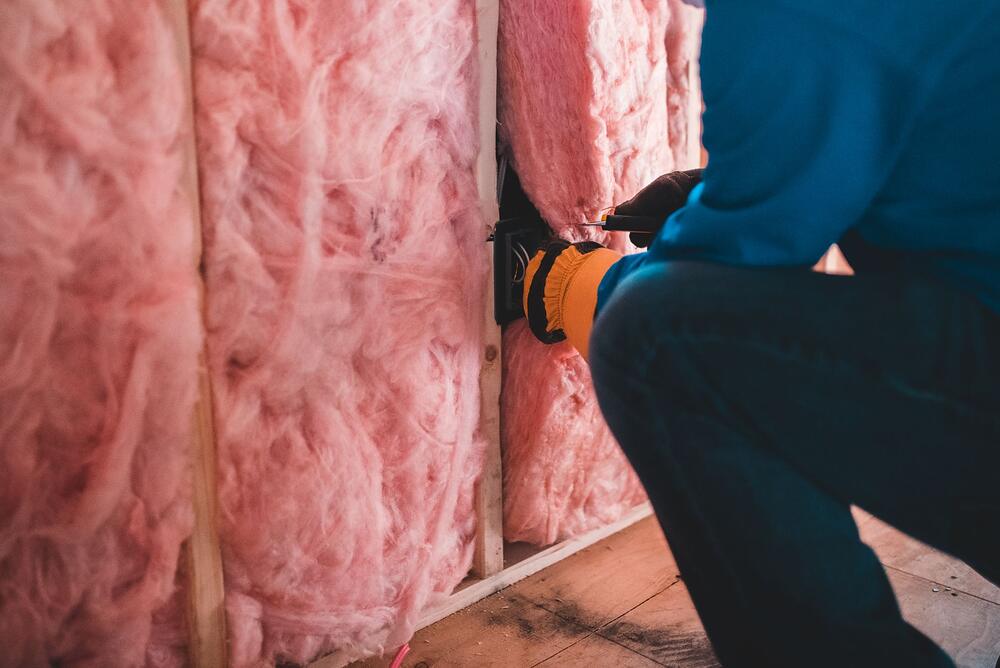
Pre-1940 intown houses in Grant Park, Kirkwood, Cabbagetown and Virginia-Highland tend to carry fiberglass batts laid between or over ceiling joists, in attics that are low, cut up by framing and usually unfloored. The advantage during a rodent job is that batts can be lifted selectively, so a contaminated bay comes out without disturbing the ones beside it.
Blown fill
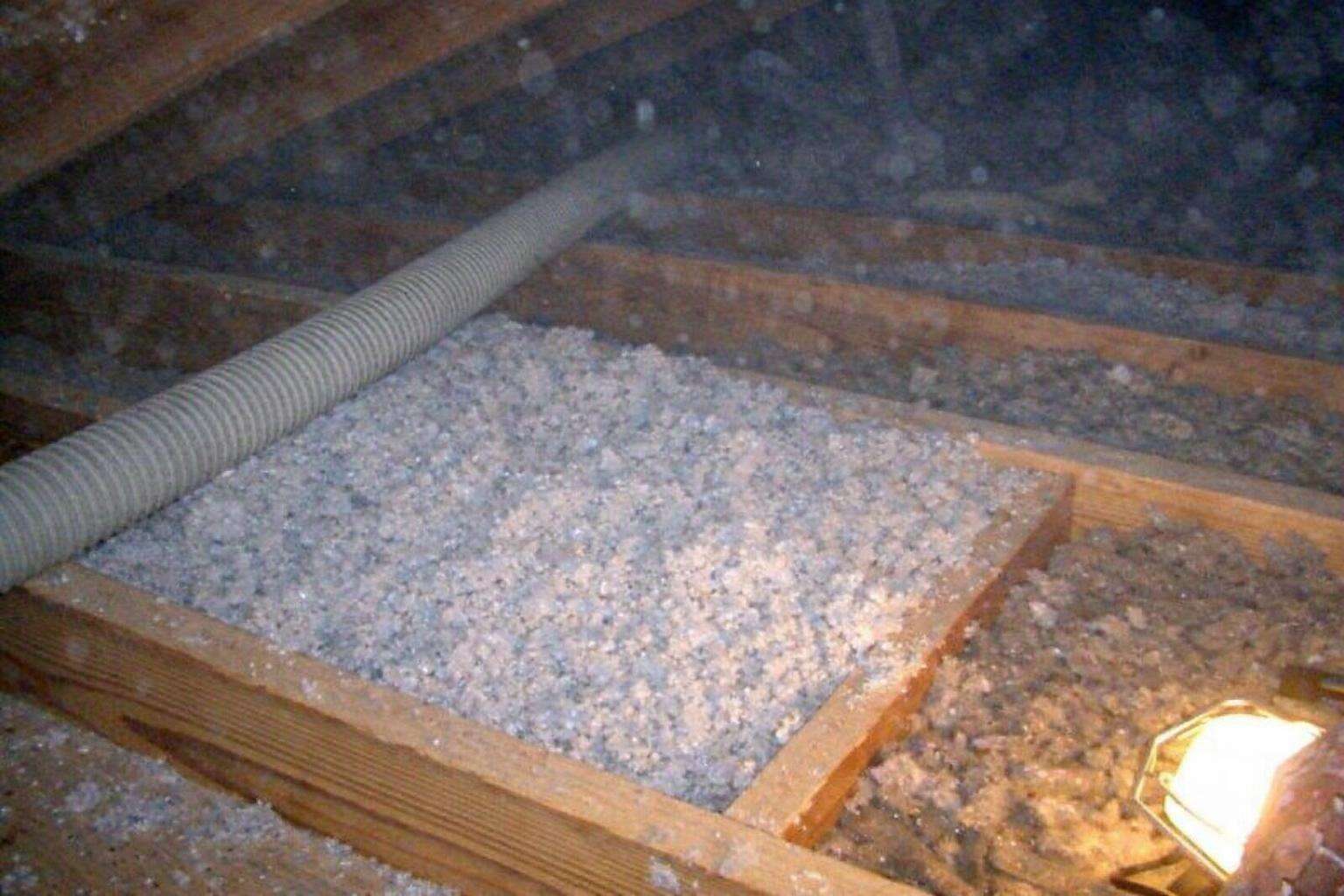
Newer stock and renovated houses carry loose fill, either cellulose or fiberglass, blown to a depth. Loose fill is better at covering irregular framing and worse to decontaminate, because a fouled area cannot be separated from the clean material around it, so a wider zone usually has to come out.
What the attic itself decides
Six features of the space set the scope and the price before the material is chosen.
- Clearance, which in a bungalow can be too low to work standing anywhere
- Whether there is any floored area to move material across
- Where the hatch is and whether bags can reach it without crossing living space
- Ductwork running through the space, which has to be worked around
- Can lights and bath fans, which need clearance kept around them
- Whether there is a vapor retarder and which way it faces
Why insulation goes in last
Because everything else disturbs it. Fresh insulation blown into an attic before the roofline is closed is material laid on the floor for the next animal to nest in, and insulation installed before the cleanup buries the contamination rather than removing it.
The fixed order on a rodent job is: find the openings, close the quiet ones, trap the animals still inside, close the last openings once activity stops, clear and clean the attic, then insulate. Skipping to the last stage is the most expensive mistake available on this job.
What that looks like on a schedule
- Inspection, with the list of openings and the contamination map
- Sealing and trapping, running two to three days for a few animals or one to two months where it is severe
- Final closures once the trapping stops producing
- Cleanup, removal of fouled material, cleaning and treatment of the deck and joists
- Insulation installed, usually straight after the cleaning while the attic is empty
The one efficiency worth taking is scheduling the insulation immediately behind the cleanup. The attic is already cleared, the access is already protected, and the crew is already set up, which is cheaper than bringing everything back a month later.
How the old insulation comes out
Wetted, bagged or vacuumed, and taken out of the house rather than emptied into a household bin. The CDC recommends wetting material down before disturbing it and advises against sweeping or vacuuming dry droppings, and that governs how removal is done.
Loose fill above a certain volume comes out through a vacuum system with a hose run to the attic hatch and a collection bag outside, which is why a wide hose through a ceiling hatch is the usual sight on these jobs. Batts are lifted, bagged at the working position and carried, which is slower but more selective.
What protects the house during removal
- Sheeting taped over the hatch opening and down the wall beneath it
- A covered route from the hatch to the door the bags leave through
- Respirators and disposable coveralls for anyone in the attic
- Material wetted at the point of disturbance rather than after it is moved
- Ductwork and can lights identified before the vacuum runs
Where an attic has knob-and-tube wiring, older ductwork or anything unexpected in the framing, removal stops and that gets reported rather than worked around. Older intown houses produce those discoveries regularly.
What goes back in
Either blown loose fill or new batts, depending on the attic and on what was there. The decision is practical rather than ideological: loose fill covers irregular framing and awkward corners better, batts suit a low attic where a hose cannot reach and where selective replacement is the point.
Depth is the thing worth asking about. Insulation is specified to a target depth or an R-value, and the two are related through the material, so a quote that says replace the insulation without stating a depth or a value has left out the specification. Ask for it in writing.
Details worth confirming on the quote
Six items belong in writing before the blower is switched on.
- The material and the target depth or R-value
- Whether baffles are being fitted at the eaves to keep soffit venting clear
- How can lights and bath fan housings are being kept clear
- Whether the hatch itself is being insulated and weatherstripped
- Whether any area is being left uninsulated deliberately, and why
- The square footage the price is based on
Baffles are the detail most often skipped. Blowing fill straight into the eave blocks the soffit venting that the attic depends on, and on an Atlanta summer that is a real consequence rather than a technicality.
What insulation replacement costs
It is priced by area, and HomeGuide's 2026 national guide puts removal and replacement at $2.50 to $5.50 per square foot. That is a national band rather than an Atlanta figure, since no local operator publishes one.
| Line item | Atlanta (Angi) | National (HomeGuide 2026) | Here |
|---|---|---|---|
| Inspection and contamination map | $210 to $420 standalone | $0 to $175 | Free |
| Insulation removal and replacement | No Atlanta figure published | $2.50 to $5.50 per square foot | Quoted from the inspection |
| Attic cleanup and decontamination | No Atlanta figure published | $600 to $2,500, to $4,000 where severe | Quoted from the inspection |
| Full-scope restoration | No Atlanta figure published | $3,000 to $10,000 and up | Quoted from the inspection |
On a per-square-foot price the two questions that matter are which square footage is being counted and whether removal is inside the number or beside it. An attic where only three bays need replacing should be priced on those bays rather than on the footprint of the house.
What moves the rate within that band
Six conditions push the per-square-foot rate toward the top of the range.
- Low clearance and no floored area, which is normal in older intown attics
- Loose fill rather than batts, since selective removal is not possible
- A hatch with no direct route out of the house
- Ductwork, can lights and bath fans to work around
- Baffle installation at the eaves where none exist
- A vapor retarder that has to be dealt with rather than ignored
Is replacing it worth the money?
Where the material is fouled or compressed, yes, and the reason is a running cost rather than a comfort preference. Insulation that is not delivering its rated performance is a bill every month of an Atlanta summer.
Where the damage is confined to a corner, replacing three joist bays is worth doing and replacing an attic is not. That is the distinction a contamination map from the inspection is there to make, and it is why the quote should show the area rather than the house.
Reasons to do it
Replacement earns its place when the material has stopped performing or the attic is already open.
- The material is wet, compressed or hollowed out, so it is underperforming by a documented mechanism
- The attic is already open and cleaned, so access costs nothing extra
- Fouled material holds odor that carries into living space on warm days
- A sale or a clearance letter is in play and a buyer has seen the attic
Reasons to wait
Four situations make replacement the wrong spend this month.
- The contamination is confined and the rest of the attic is sound
- The sealing is not finished, in which case this is premature by definition
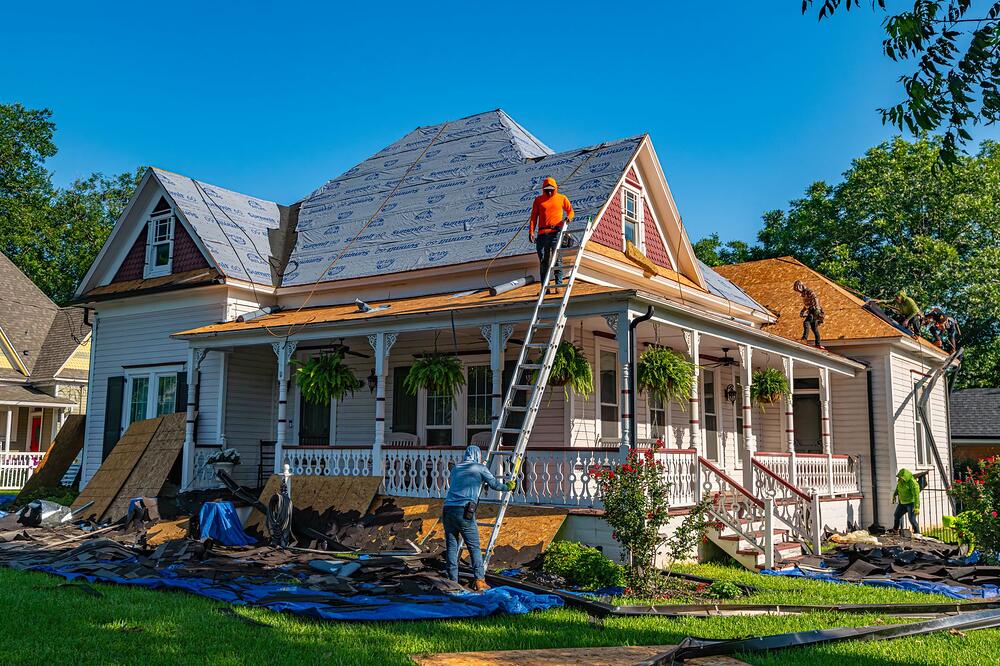
- A roof replacement or an HVAC change is planned, since both disturb an attic
- Budget is better spent closing the last openings first
Services that usually go with this one
New insulation goes in last, and these are the stages that come before it.
- Attic Cleanup: Droppings, nesting and soiled insulation removed under respiratory protection, then the deck cleaned and treated.
- Rodent Exclusion: Closing every opening down to a quarter inch, at the roofline and at the crawl space, in galvanized steel rather than foam.
- Roof Rat Removal: Trapping in the runs the animals are using, sequenced with sealing at the roof returns and gable vents where they got in.
How the pieces fit together is covered on the about page, and the contact page has the hours and the address.
What attic insulation is for
Why the R-value matters in the first place.
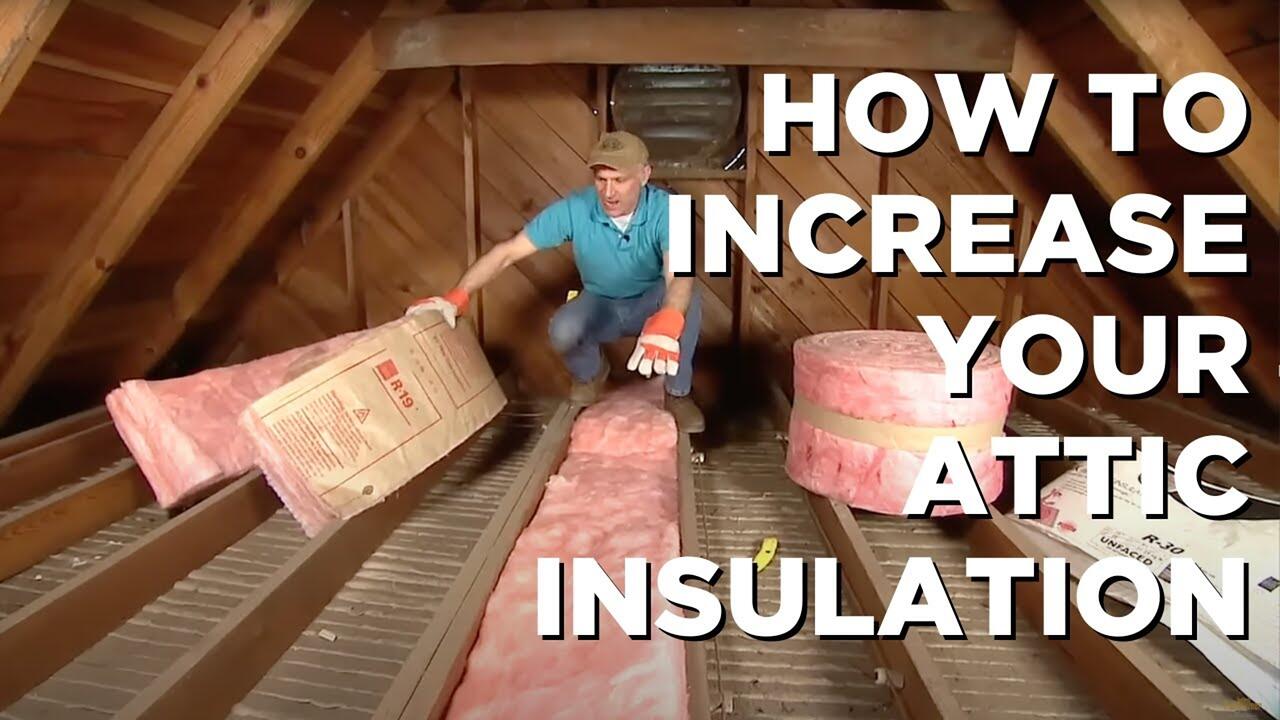
Video: The inexpensive way to up your home's insulation, from Today's Homeowner.
How insulation replacement runs
Four stages, scheduled once the attic is closed, empty and cleaned.
-
Measure and specify
The affected area is measured, the material and target depth are specified in writing, and the quote is priced on that area rather than on the footprint of the house.
-
Protect and remove
Hatch and route sheeted, material wetted before disturbance, then vacuumed or bagged out under respiratory protection and taken off the property.
-
Prepare the deck
Joists and deck cleaned, baffles fitted at the eaves where the soffit venting needs protecting, and can lights and fan housings identified for clearance.
-
Install and verify
New batts or blown fill installed to the specified depth, the hatch insulated and weatherstripped, and the finished attic photographed.
What to expect
Five things that should appear on any insulation replacement job.
- A stated material and a stated depth or R-value on the quote
- The square footage the price was calculated from
- Baffles at the eaves so soffit venting stays open
- Clearance kept around can lights and bath fan housings
- Photographs of the attic before and after
Why this is the last stage rather than the first
New insulation into an open attic is wasted
Fill blown before the roofline is closed becomes nesting material for the next occupant, and fill installed before the cleanup buries contamination instead of removing it. The sequencing is fixed for a reason: seal, trap, clean, then insulate. The efficiency worth having is scheduling the insulation directly behind the cleaning while the attic is already empty and the access is already protected.
HomeGuide puts removal and replacement at $2.50 to $5.50 per square foot.
The area gets measured before it is priced
A per-square-foot price is only meaningful against a stated area, and plenty of attics need three joist bays replaced rather than the whole ceiling. The contamination map from the inspection sets the scope, the quote names the square footage it was calculated from, and anything left deliberately untouched is written down with the reason.
The Department of Energy notes compressed insulation does not deliver its rated R-value.
Baffles and clearances are part of the job
Blowing fill into the eave blocks the soffit venting the attic depends on, and burying a can light or a bath fan housing creates a different problem entirely. Baffles at the eaves and clearance around fixtures are line items rather than optional extras, and they are the detail most often missing from a cheap quote in this trade.
Wet insulation performs poorly, per the Department of Energy.
What Reddit Says About Attic Insulation Replacement in Atlanta
Insulation is the line item that produces the biggest quoted numbers in the rodent threads and the most skepticism. People describe being told the whole attic needs replacing after a short occupancy, and the replies almost always suggest going up with a flashlight and a phone camera first. Three fouled bays and a whole attic are different jobs, and the difference is visible to anyone willing to climb the ladder.
The second recurring warning is about sequencing. Threads describe insulation installed while the trapping was still running, or before the roofline was closed, and the material being fouled again within months. The advice is consistent: this is the last thing that happens, and a contractor pushing it forward in the schedule is doing it for their own convenience.
The third is specification. Posters who were happy describe a quote naming the material, the depth and the square footage; posters who were not describe a quote that said replace attic insulation and a price. Baffles come up in the more technical threads as the thing that separates an insulation crew who understands attics from one that owns a blower.
Underneath it is a reasonable suspicion about health framing. People push back on insulation being sold with disease claims attached, and respond better to the plain version: the material is compressed or wet, so it is not doing its job, and the Department of Energy says as much without needing a percentage attached.
A common insulation call after an Atlanta attic job
The situation: A caller in a 1990s two-story north of the city has finished a roof rat job. The trapping has been quiet for three weeks, the gable vents and both roof returns are closed, and the attic has been cleaned. The power bills over the summer were noticeably higher than the year before.
What gets done: The inspection measures the affected area and finds blown fiberglass flattened along two long runs and hollowed into a nest above the upstairs hallway, with the rest of the attic sound. The quote covers removing the fill across that zone, fitting baffles at the eaves where the existing fill had drifted into the soffit, and blowing new fill to a stated depth across the same area, priced on the measured square footage.
How it turns out: The old fill is vacuumed out through a hose at the hatch with the route sheeted, the baffles go in, and the new fill goes down to the specified depth with clearance kept around three can lights and a bath fan. The hatch is insulated and weatherstripped, which nobody had ever done. The attic is photographed at both ends of the work.
Insulation questions Atlanta callers ask
Five answers on scope, materials, timing and what a per-square-foot price should cover.
Call (404) 924-6653Does the whole attic need replacing or just part of it?
Usually part of it, and the contamination map from the inspection is what decides. Batts can be lifted bay by bay, so a confined occupancy above one room means replacing that area and leaving the rest. Blown fill is harder to separate, so a fouled zone usually means taking out a wider area around it. A quote priced on the footprint of the house when only part of the attic is affected is worth questioning before it is signed.
Blown fill or batts?
Whatever the attic takes and whatever is already there. Loose fill covers irregular framing and awkward corners better and goes in faster; batts suit low attics where a hose cannot reach and allow selective replacement later. Older intown bungalows usually carry batts and newer stock usually carries blown fill, and matching what is there keeps the attic consistent. Either way the quote should state the material and the target depth or R-value.
What are baffles and do I need them?
Baffles are channels fitted at the eaves that keep insulation out of the soffit venting so the attic can still breathe. They matter here because blowing fill into the eave blocks the airflow an Atlanta attic depends on in summer, and a blocked eave causes moisture problems that outlast any rodent. If a quote involves blown fill and does not mention baffles, ask about them before the work rather than after.
What does insulation replacement cost in Atlanta?
HomeGuide's 2026 national guide puts removal and replacement at $2.50 to $5.50 per square foot, and no Atlanta operator publishes a local figure, so that band is the honest reference. The two things to check on a quote are which square footage it is calculated from and whether removal is included in the rate or charged beside it. The free inspection measures the affected area and produces the itemized figure.
How soon after the cleanup can it go in?
Immediately, and that is the cheapest time to do it. The attic is already cleared, the hatch route is already protected and the crew is already set up, so scheduling the insulation directly behind the cleaning avoids paying for the access twice. What it must not precede is the sealing: fill installed in an attic that is still open is material for the next animal to nest in.